
Baker of small tarts
If you usually make one small batch at a time, check whether the manual gives a quantity for the chosen bowl and the correct blade. Magimix, for example, distinguishes between bowl capacity and processing capacity.


Before choosing a food processor, check that the manual confirms it can handle your recipe quantity with the selected bowl and the correct blade. The stated bowl capacity alone doesn’t prove that it can. A compact model may take up less space; according to Consumentenbond, a stand mixer is generally better suited to mixing and kneading. Follow the recipe steps after mixing, too: KeukenLiefde’s basic sweet pastry recipe calls for the dough to chill in the fridge for at least an hour before rolling it out.
If you usually make one small batch at a time, check whether the manual gives a quantity for the chosen bowl and the correct blade. Magimix, for example, distinguishes between bowl capacity and processing capacity.
If you’re short on worktop or cupboard space, compare the appliance’s dimensions and how much room its separate parts take up.
If you also want to use the appliance for chopping, slicing or grating, check which blades and discs are actually included with that model and how to clean them.
Suitable for: limited storage space and one small batch at a time, provided the manual allows for your recipe quantity.
Bear in mind: a small bowl isn’t automatically suitable for pastry dough. Check the permitted quantity and the specified blade.
Suitable for: anyone who wants to chop, slice or grate ingredients as well as prepare dough.
Bear in mind: KitchenAid describes the dough blade on the 5KFP0719EBM as being for pizza or bread dough; this doesn’t confirm that it’s suitable for sweet pastry dough.
Suitable for: anyone who mainly whisks batters or regularly kneads heavier dough for longer periods.
Bear in mind: according to Consumentenbond, a stand mixer is generally better at mixing and kneading; a food processor offers more functions for chopping, slicing and grating.
For small batches of sweet pastry dough, the workable quantity, the right blade and the storage space available are all important considerations.
| What to consider | What should you check? | Who is this important for? |
|---|---|---|
| Workable quantity | Compare the recipe weight with the quantities listed in the manual, and check which bowl and blade are intended for it. | If I’m making one small batch, I want to know whether the bowl and blade can handle that quantity. Around 36% of consumers say the workable batch size is their top priority. |
| Blade and dough processing | Check which blade the manual specifies for your type of dough, and whether the pulse function is intended for that use. | If I mainly want to be sure the machine is suitable for sweet pastry dough, I’ll prioritise dough processing over extra functions. Around 29% of consumers say dough processing is their main consideration. |
| Space and storage | Measure the space available on your worktop and in your cupboard; check the dimensions of the appliance and how to store its separate parts, too. | If I’m short on cupboard space, I want to know in advance where the appliance and accessories will fit. Around 21% of consumers say the space it takes up is their top priority. |
| Extra functions and maintenance | Check which parts are included with the exact model and what the cleaning and warranty terms are. | If I also want to use the machine for other kitchen tasks, I’ll compare the included parts and the maintenance requirements. Around 14% of consumers focus mainly on this. |
The stated capacity in litres doesn’t automatically tell you how much pastry dough the bowl can handle. Magimix, for example, lists both total capacity and processing capacity.
Compare the weight of your recipe with the manual and check which bowl and blade to use.
The dough blade on the KitchenAid 5KFP0719EBM is described as being for pizza or bread dough; that doesn’t prove it can handle a small batch of sweet pastry dough.
Check the manual for your type of dough, the specified accessory and the permitted quantity.
Consumentenbond describes chopping, slicing and grating as key food processor tasks, while a stand mixer is generally better at mixing and kneading.
Choose based on the tasks you do most often, and check the instructions for your recipe.
According to Magimix, the Mini Plus has a 1.7 L bowl and a 0.5 L mini bowl. This may be useful if you want to compare different quantities.
The 5KFP0719EBM food processor is described as having a 1.7 L bowl, a multi-purpose blade, a dough blade and a pulse setting.
The MultiPro Go FDP22 range is compact. A product manual in Dutch is available for the FDP22.130GY.
Below are food processors and stand mixers to compare for small batches of sweet pastry dough. For each model, check the manual for suitable types of dough, batch sizes, bowls and accessories.
 Image unavailable
The product name describes it as a dough mixer/food processor; check the manual to see whether the bowl and accessory are suitable for your quantity of sweet pastry dough.
The product name lists a 4.5 L stainless steel bowl, 1300 W and 6+P speeds.
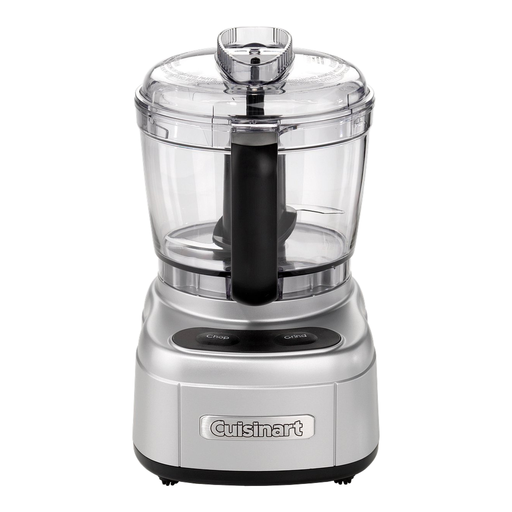 Image unavailable
The product name identifies this as a Mini Prep Pro food processor; check whether the permitted batch size suits your recipe.
 Image unavailable
The product name describes a compact food processor; compare the quantity permitted in the manual and the correct blade with your recipe.
The product name lists 800 W and a 2.3 L bowl.
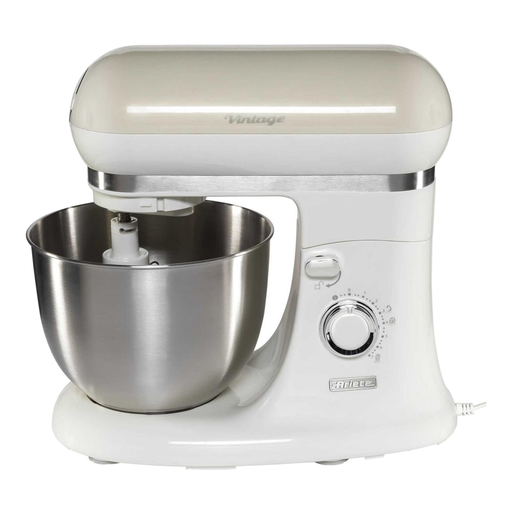 Image unavailable
The product name describes a stand mixer/food processor with planetary mixing action; check whether the manual lists this model as suitable for your type and quantity of dough.
The product name lists 1000 W and a 5 L stainless steel mixing bowl.
No. The stated bowl capacity doesn’t automatically tell you how much dough you can process. Compare your recipe with the permitted processing quantity and the specified blade. Magimix, for example, distinguishes between total bowl capacity and processing capacity.
Follow the recipe. KeukenLiefde’s basic sweet pastry recipe calls for the dough to chill in the fridge for at least an hour before rolling it out. A food processor doesn’t replace this step.
According to the Rijksoverheid, you can contact the retailer to find a solution. In the Netherlands, there is no fixed statutory two-year guarantee period for all products; a manufacturer’s guarantee is in addition to your statutory rights.
Products intended to come into contact with food must meet Dutch and European requirements for food contact materials. The NVWA explains that producers and importers are responsible for product safety; this general rule is not a separate declaration of conformity for the models on this page.