
Workshop baker making several batches
Wants to make enough dough for each batch, so compares the recipe weight with the stated dough limit rather than relying on bowl capacity alone. Bosch and Magimix provide capacity details for specific models.


A food processor is a good fit when a recipe mainly involves chopping or mixing and the dough only needs a brief knead. For prolonged kneading of firm dough, a stand mixer with a dough hook is usually a better choice, according to the Consumers' Association. Compare the dough quantity for each workshop batch with the limit for the exact model, and check which attachments you need and which must be cleaned between preparations.
Wants to make enough dough for each batch, so compares the recipe weight with the stated dough limit rather than relying on bowl capacity alone. Bosch and Magimix provide capacity details for specific models.
Kneading is the main task, so first needs to establish whether the recipe calls for a stand mixer with a dough hook rather than a food processor for brief kneading. The Consumers' Association explains the difference.
Wants to prepare ingredients as well as dough, and clean parts between preparations, particularly when working with almonds. The NVWA stresses the importance of preventing cross-contamination with allergens.
First, work out what the recipe requires of the dough. Then check the batch size and consider the preparation and cleaning involved in your workshop.
| What to consider | What to look for when buying | Who needs to consider this most? |
|---|---|---|
| Dough per workshop batch | Compare the recipe quantity with the dough limit for the exact model and type of dough; bowl capacity in litres is not the same as a dough limit. | If I want to make enough for a whole workshop batch in one go, I compare the recipe weight with the model-specific limit. Around 31% of consumers prioritise making enough dough per batch. |
| Type of kneading required | Check how long the recipe needs kneading and what type of dough it is; make sure the model has a dough blade or dough hook. | If my recipe calls for firm dough to be kneaded for a long time, I want to know whether the appliance is designed for that. Around 25% of consumers give the required kneading method the greatest weight in their decision. |
| Preparing dough and ingredients | Check which attachments are included and whether you really need the chopping, slicing or grating functions. | If I also want to prepare ingredients during the workshop, I look at which steps one appliance can help with. Around 19% of consumers prioritise this combination of functions. |
| Cleaning and allergens | Check the cleaning instructions for each part and plan how to clean bowls and attachments between preparations. | If we're working with almonds as well as preparing other things, I want to give cleaning and allergens separate consideration. Around 25% of consumers prioritise this when choosing. |
Litres tell you the capacity of a bowl; a stated dough quantity in kilograms is a different model specification. A larger bowl therefore doesn't automatically mean you can knead a whole batch of dough.
Weigh or calculate the planned dough quantity and compare it with the limit for the exact model and type of dough. If your batch exceeds that limit, you may need to work in several rounds.
Extra batches take up time during the workshop.
According to the Consumers' Association, a food processor can briefly knead light dough. For prolonged kneading of firm bread dough, a stand mixer with a dough hook is generally more suitable.
First check the kneading method in the recipe, then make sure the machine and attachment are suited to the task.
Being able to wash a part doesn't replace careful cleaning and planning when sharing equipment while working with allergens such as almonds. The NVWA stresses the importance of preventing cross-contamination.
Follow the model's cleaning instructions and plan how to clean equipment between preparations. Consider allergen information separately from your choice of appliance.
Cleaning and, if necessary, using separate equipment take extra time and organisation.
The MultiTalent 3 MCM3501M is a useful model to compare in terms of batch size and dough attachments.
According to Kenwood, the MultiPro Express Weigh+ FDM71.450SS combines weighing and food preparation; the Chef range is a separate option for kneading.
According to Magimix, the CS 4200XL comes with several bowls and a dough blade for a range of food preparation tasks.
The 5KFP0719EAC food processor has a capacity of 1.7 L and is a compact option if you're considering smaller batches.
This selection includes appliances for preparing dough, including stand mixers with dough hooks and a dough maker. Compare the stated bowl or dough capacity with your recipe, and check the included attachments and any restrictions on use.
 No image available
An option for preparing dough with a bowl and kneading hooks; check that the model is suitable for the kneading method in your recipe.
4.5 L stainless steel bowl; 1300 W; six speeds and a pulse function. The product name also mentions a whisk.
 No image available
A stand mixer for kneading; don't assume the bowl capacity is the same as a confirmed limit for your dough recipe.
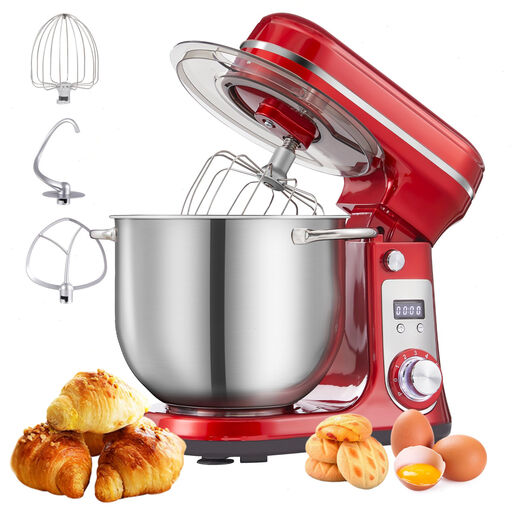
6 L bowl; 1200 W; six speeds and a pulse function. The product name mentions an LCD screen and timer.
 No image available
An option for kneading dough with a dough hook; check whether the stated bowl capacity suits the quantity you want to prepare.
5 L bowl; ten speeds; supplied with a dough hook, whisk and beater. The product name mentions a 400 W motor.
 No image available
A dough maker for anyone looking to compare a stated dough capacity with the planned quantity for each workshop batch.
The product name mentions automatic kneading, a dough capacity of 2.5 kg and a 5 L bowl. The product information generally advises against using it continuously for more than 15–20 minutes, and recommends letting the motor cool down between uses.
 No image available
A stand mixer with a dough hook to consider when kneading is the main task; check that it's suitable for your type and quantity of dough.
5 L stainless steel bowl; eight speeds; supplied with a whisk and dough hook. The product name mentions a peak power of 1000 W.
No, check the recipe first. The Consumers' Association describes a food processor as suitable for briefly kneading light dough, while a stand mixer with a dough hook is generally better for prolonged kneading of firm bread dough. Then check the dough limit for the exact model.
It depends on the part and the model. Bosch says that the MCM3501M accessories are generally dishwasher-safe; follow the instructions for each part and clean shared equipment between preparations.
According to the NVWA, businesses offering unpackaged rolls to consumers must provide information about the allergens they contain and, for nuts, specify which nut is used. Food businesses also have registration requirements. The NVWA says that anyone who prepares, processes or sells food as part of their business must work with a food safety plan or an applicable approved hygiene code. Whether these requirements apply to your workshop depends on the circumstances.
Compare the dough weight in your recipe with the stated limit for the exact model and type of dough. Bowl capacity in litres isn't the same as the maximum dough weight. For example, Bosch states a maximum dough processing capacity of 0.8 kg for the MCM3501M.