
Baker with limited kitchen space
You want to make a modest portion of dough in your holiday cottage and put the food processor away between uses. Check the dimensions and detachable parts as well as the bowl.


For shortcrust pastry, choose a food processor with a pulse setting and the right blade, then compare the maximum dough quantity for the exact model with the weight of your recipe. A compact bowl can be handy in a small holiday cottage, but bowl capacity in litres doesn’t tell you how much dough you can process. Check the dimensions, accessories and CE marking for the specific model too.
You want to make a modest portion of dough in your holiday cottage and put the food processor away between uses. Check the dimensions and detachable parts as well as the bowl.
You want to process a recipe in one go. So compare the quantity of ingredients with the stated dough capacity, not just the bowl volume.
You want to use the same machine to chop, slice or grate ingredients too. Weigh up those options against the extra accessories you’ll need to store and clean.
Start with the controls and blade your recipe calls for. Then compare the permitted dough quantity with your portion and check whether the machine will fit in your kitchen.
| What to consider | What should you check? | Who is this important for? |
|---|---|---|
| Brief mixing | Check whether the exact model has a pulse setting and the blade you need. | If I want to mix cold dough gradually, I look for the right controls and blade; around 36% of consumers make dough control their top priority. |
| Limited space | Measure the space available and compare it with the dimensions of the appliance and its detachable parts. | When I have limited worktop or cupboard space, I want to know whether the machine and its parts will fit; around 29% of consumers make space their top priority. |
| Portion size | Compare the weight of your recipe with the stated dough limit for that exact model. | If I want to make a tart case in one go, I compare my recipe with the permitted dough quantity; around 21% of consumers put portion size first. |
| Cleaning and extra tasks | Check the list of parts and the cleaning instructions for each one. | If I want to use the machine for other ingredients but keep washing up to a minimum, I weigh the accessories against the extra cleaning; around 14% of consumers start with that trade-off. |
Bowl capacity in litres and a stated maximum dough quantity are different measurements. So a large bowl doesn’t confirm that you can process your recipe in it.
Compare your recipe ingredients with an applicable dough limit for the exact model. Bosch states a maximum dough quantity of 0.8 kg for the MCM3501M; this limit doesn’t automatically apply to other models.
If your recipe exceeds the permitted quantity, you may need to process the dough in several batches.
Extra bowls and accessories take up space and need cleaning. They’re most useful when you’ll actually use them.
Check which blades and discs are included with the exact model. Only choose extra accessories for tasks you plan to do in your holiday cottage.
You’ll still need to store and clean any parts you don’t use.
A manufacturer’s warranty doesn’t, by itself, determine how long you’re entitled to a product that works properly in the Netherlands. The Dutch government states that there is no fixed statutory warranty period in the Netherlands and that, if a product is faulty, you should generally contact the retailer.
Read the additional manufacturer’s warranty terms and contact the retailer if there’s a fault.
The MultiPro Go FDP22.140GY is a compact model worth comparing if storage space is a key concern.
The MultiTalent 3 MCM3501M has a stated dough limit you can use to compare portion sizes.
The CS 3200XL is worth comparing if you want to prepare other recipes as well as dough and will use the extra bowls.
These picks include food processors and compact kitchen gadgets. For each exact model, check whether the manual allows you to make shortcrust pastry and what quantity you can process.
 No image available
The product title mentions dough mixing; check the manual to see whether this model is suitable for shortcrust pastry and what quantity is permitted.
Bowl: 4,5 l. Power: 1300 W. Speeds: 6+P.
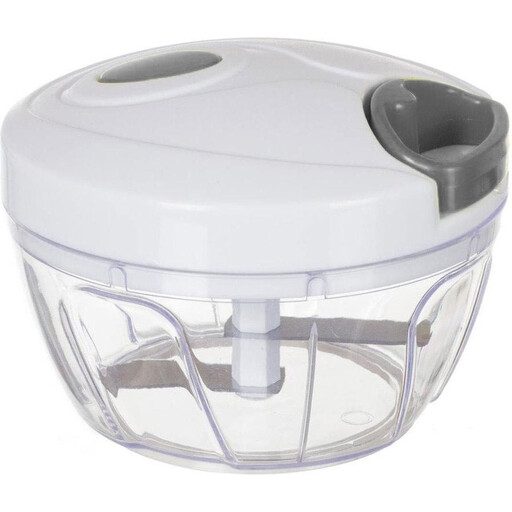 No image available
This mini model may be a good option if you’re short on space; check whether the manual allows you to make shortcrust pastry and what portion size is permitted.
Capacity according to the product title: 400 ml. This isn’t a stated dough weight.
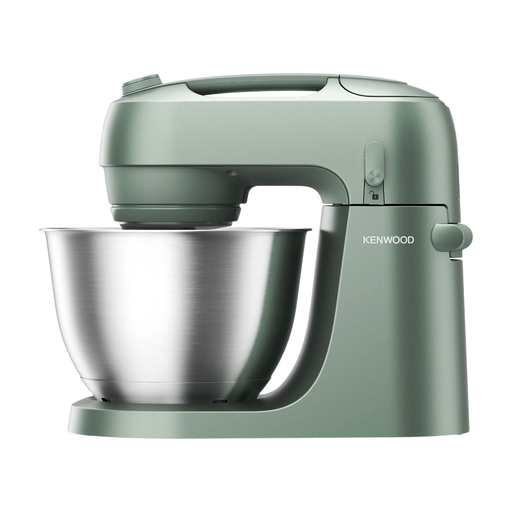 No image available
The product information mentions kneading; check whether the manual allows this for shortcrust pastry and your portion size.
Capacity according to the product title: 0,5 l. Power: 350 W. Removable blade.
 No image available
For this exact model, check the manual to see whether short pulses and the blade you need are suitable for your shortcrust pastry recipe.
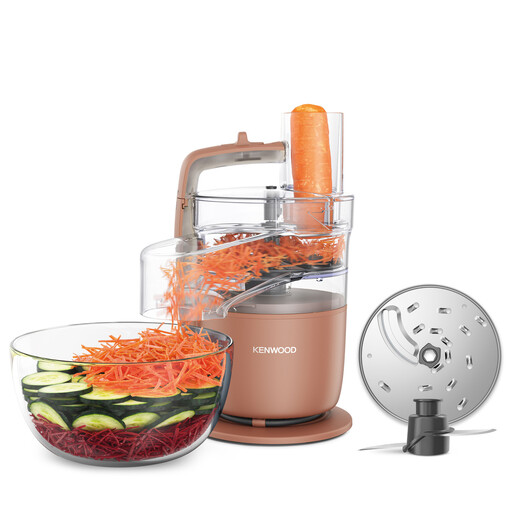 No image available
A compact model can be useful when storage space is limited. Check whether this exact version has the pulse setting and blade your recipe calls for.
Follow your recipe and the instructions for your machine. Allerhande’s quiche pastry recipe mixes cold butter using short pulses and stops as soon as the dough comes together. This isn’t a universal processing time or capacity for every model.
No. Bowl volume doesn’t tell you how much dough a machine is permitted to process. Compare your recipe with the permitted quantity for the exact model: Bosch lists a maximum dough quantity of 0,8 kg for the MCM3501M, while Kenwood lists a 1,3 l bowl for the FDP22.140GY. That bowl capacity isn’t a stated maximum weight for shortcrust pastry.
Yes. The Netherlands Food and Consumer Product Safety Authority states that CE marking is compulsory for electrical consumer products. Check the marking on the specific model you want to buy; a brand name or product description doesn’t confirm it on its own.
It depends on the model and the part. Kenwood lists dishwasher-safe parts for the FDP23.140GY, while Bosch says the MCM3501M accessories are generally dishwasher-safe. Check the cleaning instructions for your exact model.
According to the Dutch government, you’re entitled to a product that works properly and should generally contact the retailer if there’s a fault. The Netherlands has no fixed statutory warranty period; any manufacturer’s warranty is separate from your statutory rights.