
Small-batch baker
You want to mix shortbread dough briefly without getting out a large appliance for a single batch.


For shortbread dough that you want to mix briefly, choose a food processor whose blade or dough tool, controls and maximum capacity suit your recipe. Bowl capacity alone doesn’t tell you how much dough you can process. In a shared kitchen, storage space and washing up the separate parts matter too. For prolonged kneading, the Consumers’ Association generally recommends a stand mixer.
You want to mix shortbread dough briefly without getting out a large appliance for a single batch.
You share worktop and storage space, so you also need to consider separate bowls and accessories.
You want to leave any parts you’ve used clean and take cross-contamination into account.
Best for: baking small batches and making the most of limited cupboard space.
Consider: checking the maximum capacity and operating time for the exact model.
Best for: making larger batches more often and having space for the appliance and its parts.
Consider: a larger bowl doesn’t automatically mean you can process more dough; allow for washing up and storage too.
Best for: anyone who also wants to knead for longer or whisk regularly, as well as making shortbread.
Consider: the Consumers’ Association says a stand mixer is generally more suitable for prolonged kneading than a food processor.
| What to consider | What should you check? | Who is this particularly important for? |
|---|---|---|
| Mixing briefly and appropriately | Check which blade or dough tool is included, the controls and the operating limits in the manual. | I want to control the mixing process carefully and stop at the right time when making small batches. Around 31% of consumers give mixing briefly and appropriately their highest priority. |
| Space and storage | Measure the space available and decide where to store the appliance and accessories. | I share cupboard and worktop space and need room for separate parts too. Storage space is the top priority for around 25% of consumers. |
| Washing up and hygiene | Check the cleaning instructions for each part and how many bowls and attachments you’ll use. | I want to leave the parts clean after baking for the next person; the Netherlands Nutrition Centre recommends using clean equipment to prevent cross-contamination. Around 25% of consumers give cleaning their highest priority. |
| Batch size | Compare the weight of your recipe with the maximum dough weight for the exact model; don’t convert bowl capacity in litres into kilos of dough. | I want to process a larger batch of a recipe in one go, so I’m looking for a clearly stated dough limit. Around 19% of consumers give batch size their highest priority. |
Bowl capacity and maximum dough weight are different specifications. Bosch lists a 2.3-litre bowl and a maximum of 0.8 kg of dough separately for the MCM3501M.
Compare the total weight of your recipe with the dough limit for the exact model.
If your recipe exceeds the limit, you may need to mix it in several batches and wash up extra parts.
The Consumers’ Association distinguishes between light dough mixed briefly and prolonged kneading. For its dough example for the MultiPro Go, Kenwood warns against processing for longer than 30 seconds. This example doesn’t confirm that it can handle shortbread dough.
Choose based on the task you do most often and follow the operating time in the manual for the exact model.
The Consumers’ Association warns that accessories aren’t always dishwasher-safe and that plastic parts can warp at excessively high temperatures.
Check the cleaning instructions for each part before washing it.
Using an unsuitable cleaning method could mean washing parts by hand or damaging them.
The details below apply to the models listed and can help you compare their bowls, accessories and operating limits.
The MultiPro Go is worth comparing if compact storage is important to you.
The MultiTalent 3 MCM3501M has a stated maximum dough weight, which is useful when comparing recipes.
The Foodprocessor 5KFP0719EBM is worth comparing if you’re considering a separate dough blade and storing accessories in the bowl.
The CS 3200 XL is worth comparing if you’re weighing up several bowls and a dough blade against the space needed for storage.
This selection includes food processors and stand mixers to compare by bowl size, dough task and the space needed for the appliance and its parts. Check that the instructions for each version suit your recipe.
 No image available
The stated bowl capacity gives you a starting point when considering larger recipe batches; check the maximum dough weight and operating time in the manual.
4,5 L stainless steel bowl; 1300 W; 6+P.
 No image available
A food processor to compare for brief mixing; check that the batch size and operating instructions suit your shortbread dough.
 No image available
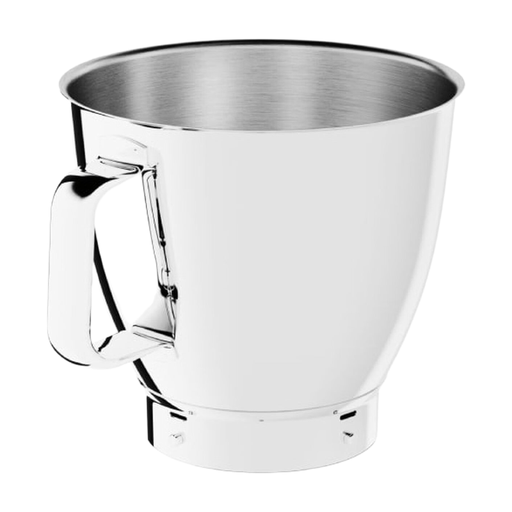
The product name describes this model as a food processor and stand mixer; check that the accessories supplied and the manual are suitable for briefly mixing shortcrust pastry.
700 W motor; 4,3 L stainless steel bowl; accessories included.
 No image available
This food processor is worth comparing if you’re looking for a model for brief mixing; check the maximum batch size and operating instructions for this version.
 No image available
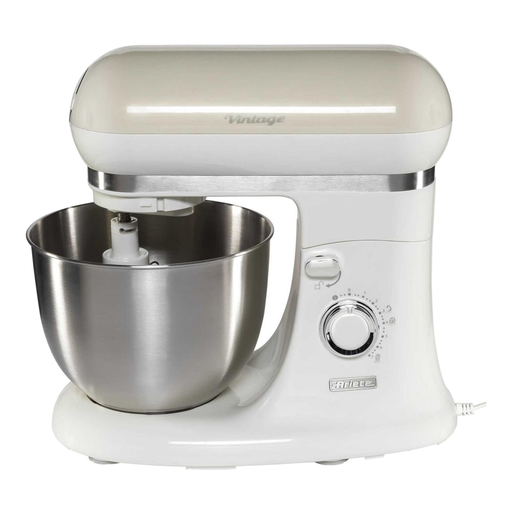
The stated bowl capacity gives you a starting point for comparing recipe batches; check the maximum dough weight and the instructions for shortbread dough in the manual.
1000 W motor; 5 L stainless steel bowl; planetary mixing action.
No. Compare your batch size with the instructions for the exact version. Bowl capacity in litres isn’t the same as maximum dough weight: Bosch lists a 2.3-litre bowl and a maximum of 0.8 kg of dough separately for the MCM3501M.
Clean the parts you’ve used according to the manual and leave them ready for use. The Netherlands Nutrition Centre recommends clean utensils to prevent cross-contamination; for people with coeliac disease, even a small amount of leftover gluten can cause symptoms.
The Netherlands Nutrition Centre advises against eating raw dough, as both raw eggs and flour can contain harmful bacteria. The risk is particularly important for young children, pregnant women, older people and those with a weakened immune system.
No. ACM ConsuWijzer says your statutory rights apply alongside any seller’s or manufacturer’s warranty. Report a fault that occurs during normal use to the seller; if your claim is valid, the seller must offer a solution.
The Netherlands Food and Consumer Product Safety Authority (NVWA) says CE marking is compulsory for electrical products. The European Commission also sets out rules for materials that come into contact with food, including machine parts. A product listing alone doesn’t prove that an individual item complies with these rules.