What should you look for when making small batches of scone dough?
Start with your recipe and the work bowl. Then consider whether the controls, extra features and cleaning requirements suit the other things you do in the kitchen.
| What to consider |
What to look for when buying |
Who is this most important for? |
| Control over mixing |
Check whether the model has a pulse function and which blade or attachment the manufacturer recommends for the dough in question. |
I want to mix the butter and flour briefly, then stop as soon as the dough comes together. Around 40% of consumers say control over mixing is their main concern when buying. |
| Batch size |
Compare the quantity in your recipe with the model-specific guidance for the work bowl. Total capacity and maximum dough capacity are not the same thing. |
My recipe makes a small batch and I don’t want to make more than I need. For around 30% of consumers, choosing a machine that suits the quantity they make is the main priority. |
| Storage space and extra tasks |
Measure the space you have available and check which discs and other accessories are included with the exact model. |
I want to slice or grate ingredients as well as make scones, but I have limited cupboard space. For around 20% of consumers, space and extra kitchen tasks are the main reasons behind their choice. |
| Cleaning and servicing |
Read the cleaning instructions for each part and check the availability of replacement parts and the terms of any manufacturer’s guarantee. |
I want to know in advance how many separate parts I’ll need to clean and who to contact if something goes wrong. Around 10% of consumers put cleaning and servicing at the top of their list. |
Joybuy products for dough and other kitchen tasks
This Joybuy selection includes food processors and stand mixers with different bowl sizes and features. Compare the listed specifications with the quantity in your recipe and the kitchen tasks you want the appliance to handle.
 No image available
Dough mixer and food processor, 4.5 l, 1300 W, beige
An option to compare if you’re considering a dough mixer for tasks beyond making scone dough; check whether the bowl capacity suits your batch.
The product title lists a 4.5 l bowl, 1300 W and 6 speeds + pulse.
View at Joybuy
 No image available
ochama food processor, 750 W, 1.8 l
Worth considering if you want to slice or grate ingredients as well as prepare dough; check whether the bowl suits your recipe.
The product title lists 750 W, a 1.8 l capacity and slicing and grating discs.
View at Joybuy
 No image available
Bosch MCM3200W MultiTalent 3, 800 W, 2.3 l
A model to compare if you want to prepare other foods as well as briefly mix dough; the capacity alone doesn’t tell you whether it will handle a small batch of scones.
The product title lists a power rating of 800 W and a 2.3 l bowl.
View at Joybuy
 No image available
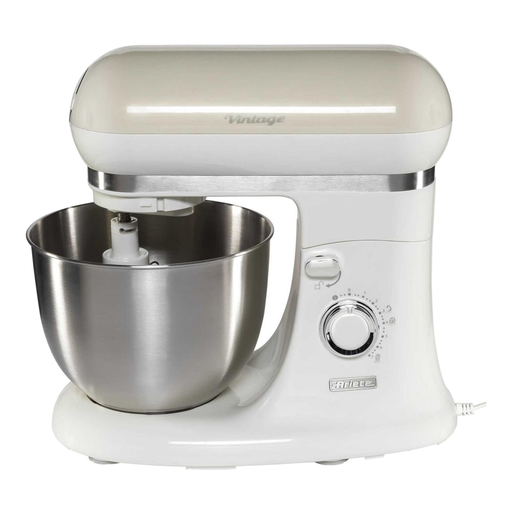
Ariete 1588/03 stand mixer, 5 l, 1000 W
Worth comparing if you’re considering a stand mixer for a range of baking tasks; check whether this type of appliance and its bowl suit your small batch of scones.
The product title lists a 5 l stainless steel bowl, 1000 W and planetary mixing action.
View at Joybuy
 No image available
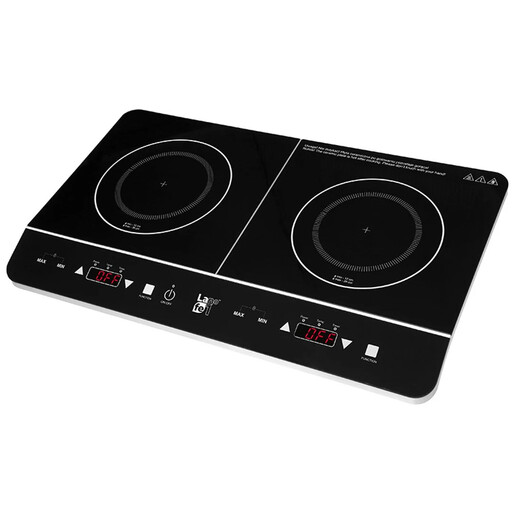
Lafe DuoChef 5-in-1 food processor, 1000 W
An option to compare if you want to slice and grate as well as prepare dough; consider which attachments you really need for your kitchen tasks.
The product title lists a power rating of 1000 W, slicing and grating discs and a blender jug.
View at Joybuy
Frequently asked questions
Should I use a dough blade for savoury scones?
Not necessarily. Check the instructions for the exact model and type of dough: for a shortcrust pastry recipe, Magimix specifically recommends the metal blade for the Mini Plus. That recipe isn’t an identical set of instructions for scone dough.
Can food processor accessories go in the dishwasher?
It depends on the model and the part. Magimix says that the Mini Plus accessories are dishwasher-safe; Bosch says that the MCM3501M accessories are generally dishwasher-safe. Follow the manual for each part.
What happens if a food processor bought in the Netherlands develops a fault?
If a product is faulty, you can exercise your statutory rights with the retailer; any manufacturer’s guarantee is in addition to these. According to the Dutch Government, there is no fixed statutory guarantee period in the Netherlands.
What rules apply to food processors and parts that come into contact with food?
According to the Netherlands Food and Consumer Product Safety Authority, products intended to come into contact with food must comply with the applicable Dutch food-contact rules. The European Commission explains that CE marking is mandatory for products covered by EU rules that require it. CE marking is a declaration by the manufacturer, not an independent test of scone-making performance.


