
Bakers making several batches
You’re baking for a school bake sale and want to know how much dough the machine can handle in each weighed batch. Bosch lists a maximum dough quantity for specific models; compare it with your recipe.


For savoury scones, a food processor with a pulse function is useful for briefly combining the butter with the dry ingredients. Then add the liquid carefully and avoid kneading the dough for too long. If you’re baking for a school bake sale, compare the weight of your dough per batch with the limit for the exact model, rather than relying on the bowl capacity alone. A higher dough limit could mean fewer batches, while a more compact machine takes up less storage space.
You’re baking for a school bake sale and want to know how much dough the machine can handle in each weighed batch. Bosch lists a maximum dough quantity for specific models; compare it with your recipe.
You want to briefly rub the butter into the flour and avoid overworking the wet dough. Rutger Bakt and Good Food recommend processing the ingredients briefly.
You’re looking for an appliance for scones and regular chopping or grating, but want to be able to store the machine and its attachments easily. The Consumentenbond describes food processors as useful for tasks including slicing, grating and chopping.
Savoury scone recipes call for the butter and flour to be processed briefly; Rutger Bakt and Good Food warn against kneading for too long. So first decide how you want to mix the dough and how much you’ll make in each batch.
A good fit if: you work in weighed batches and have limited storage space.
Bear in mind: larger quantities for a bake sale may mean more batches and extra cleaning.
A good fit if: you want to process larger batches of dough and have room for a bigger appliance.
Bear in mind: bowl capacity and the permitted dough quantity are not the same thing.
A good fit if: you’re making one small batch or do a lot of other baking alongside scones.
Bear in mind: mixing by hand takes effort; according to the Consumentenbond, a stand mixer is best suited to people who bake a lot.
| What to consider | What should you check? | Who is this important for? |
|---|---|---|
| Mixing control | Check whether the machine has a pulse function and which blade and method the manual recommends for your recipe. | If I want to briefly distribute the butter through the flour without overworking the dough, I focus on having control over short bursts of processing. Around 36% of consumers prioritise mixing control. |
| Dough per batch | Weigh the dough for one recipe and compare it with the limit for the exact model; don’t estimate it from the capacity in litres. | If I’m planning several batches, I want to know how much dough I can process at a time. Around 29% of consumers prioritise the permitted dough quantity. |
| Use and storage space | Compare the included accessories and attachments with the chopping and grating you do regularly, and consider where you’ll store them. | If I want to keep using the machine after the school bake sale, I weigh up extra features against the space needed for the appliance and its attachments. Around 21% of consumers mainly choose based on versatility and space. |
| Cleaning | Check the cleaning instructions for each part and which accessories are included with the exact version. | If I want to minimise extra cleaning and avoid unused attachments after several batches, I look at maintenance and what I actually need. Around 14% of consumers prioritise cleaning and the value of the purchase. |
Bowl volume and the maximum dough quantity are different specifications. For example, Bosch lists a 2.3 l bowl and a maximum of 0.8 kg of dough for the MCM3501M.
Weigh the ingredients for one batch and compare the total with the limit for the exact model.
A lower permitted quantity may mean baking more batches and cleaning the attachments between them.
Savoury scone recipes call for brief processing, so kneading the dough for too long isn’t suitable.
Use short pulses where the recipe calls for them and stop as soon as the dough comes together. Then carefully mix in the liquid.
The blades, discs and bowls included vary by model and version.
Check the contents of the box against the full model number and compare them with the tasks you want to use the appliance for.
Bosch lists the maximum dough quantity separately for some models, which can be useful if you’re planning to make several batches of scones.
The MultiPro Compact FDM301SS could suit you if you want to slice, grate and chop as well as make scones.
The 5KFP1319 food processor has accessories for dough preparation and processing ingredients.
The CS 4200XL is designed for people who want to process different quantities as well as make dough, and have room for several bowls.
This selection of Joybuy products includes food processors and stand mixers for anyone considering making dough. For each model, check that the method, dough limit and accessories suit your recipe and how you plan to use it.
 No image available
Could suit you if you’re looking for a food processor for making dough that can also slice, grate or chop ingredients.
The product name lists a 1.8 l capacity and slicing, grating and chopping functions. Compare the weight of your dough per batch with the instructions for the model.
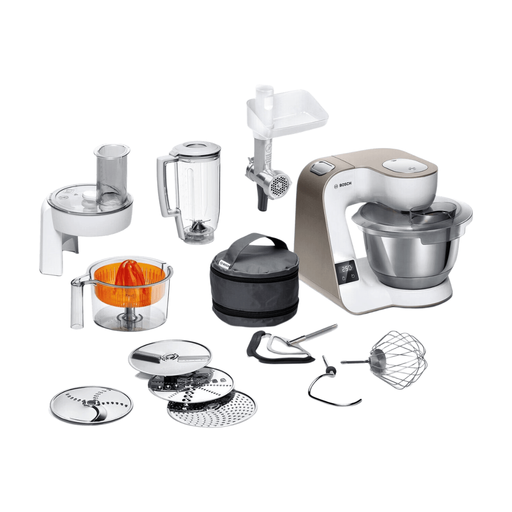 No image available
Could be worth considering if you’re looking at a Bosch model for making dough; first check that the recommended method suits your scone recipe.
The product name lists 1000 W. Compare the permitted dough quantity for the exact model with the weight of your recipe per batch.
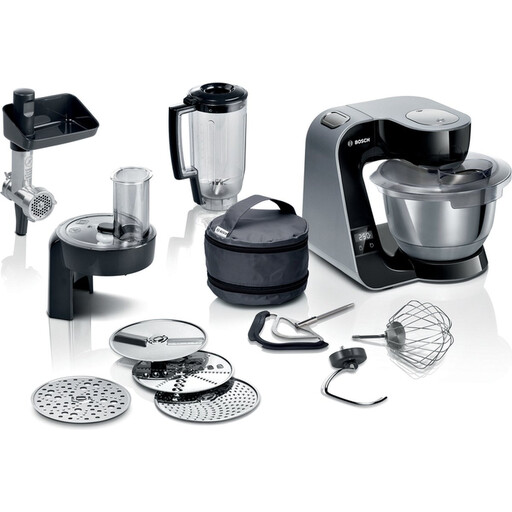 No image available
Consider this model if you’re looking for a Bosch food processor for making dough and want it to handle more than one kitchen task.
The product name lists 1000 W and the colour black. Check the manual and the dough limit for the exact model before dividing up your batch.
 No image available
Could suit you if you’re looking for a compact food processor that can slice or grate ingredients as well as handle dough.
The product name lists a 2.3 l bowl and 800 W. Bowl capacity doesn’t tell you how much dough you can process per batch; check the instructions for the specific model.
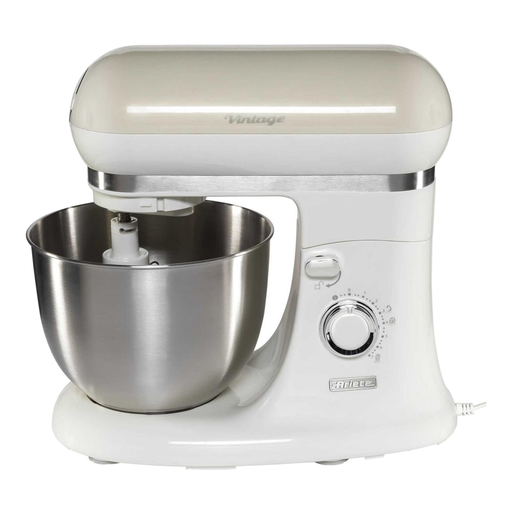 No image available
Could be worth considering if you’re looking at a stand mixer with a dough tool; check that the recommended mixing method suits your scone recipe.
The product name lists 1000 W, a 5 l stainless steel bowl and planetary mixing action. Compare the dough limit for the exact model with the weight of your recipe.
No, not necessarily. Rutger Bakt and Good Food describe briefly pulsing the butter with the dry ingredients; after that, follow your chosen recipe for adding the liquid and avoid kneading for too long. Also follow the instructions for your exact appliance.
No. Use the maximum dough quantity for the exact model instead. Bosch lists a 2.3 l bowl and a maximum of 0.8 kg of dough for the MCM3501M, and a 3.9 l bowl and a maximum of 1.5 kg of dough for the MC812W620. Weigh your recipe for each batch and compare it with the relevant limit.
Keep your hands, work surface and any parts that come into contact with food clean. Follow the cleaning instructions for the model and make sure ingredients or allergens aren’t carried into other preparations on the attachments. The NVWA lists clean materials that come into contact with food as something to consider when selling at events.
Prepare, store and sell food hygienically at events; the NVWA says this applies to private individuals too. The NVWA stresses that consumers must have allergen information before buying, while the Voedingscentrum highlights food safety and allergen information in schools. Whether registration or a formal food safety plan is required for a specific, potentially one-off sale depends in part on who is selling and how often.