
Bakers who want light, fluffy scones
You want to mix cold butter and liquid briefly without making the dough tough. Kenwood and Arla emphasise using cold butter and mixing briefly when making scones.


Choose a food processor that lets you mix in cold butter briefly and has a dough capacity suited to your recipe; stop as soon as the dough just comes together. For a bake sale, you’ll also need to consider how many batches you’ll need and how easy the processor is to clean. A larger bowl doesn’t automatically mean you can process more dough.
You want to mix cold butter and liquid briefly without making the dough tough. Kenwood and Arla emphasise using cold butter and mixing briefly when making scones.
You want to know in advance how much dough you can process per batch, and to make smaller batches if needed.
You’re looking for an appliance you can put away, and may consider making smaller batches if they’re a better fit for the space you have.
Best for: making several batches and checking the permitted dough quantity in advance.
Consider: compare the dough capacity limit with your recipe; bowl capacity is a different measurement.
Best for: making other things as well as scones, and having room for a larger appliance.
Consider: Magimix states that the CS 4200XL has a total bowl capacity of 3 l and a processing capacity of 1,3 l; these figures in litres don’t tell you the maximum weight of scone dough it can handle.
Best for: when storage space matters most and you’re happy to make smaller batches.
Consider: check the permitted batch size for your dough before planning your bake sale.
Best for: making a small amount of dough or avoiding the purchase of another appliance.
Consider: you’ll be mixing by hand, but can keep a close eye on the texture; cold butter and brief mixing are still important.
| Concern | What should you check? | Who should consider this? |
|---|---|---|
| Short mixing time and texture | Check that you can stop the processor easily and keep an eye on the dough’s texture. Stop as soon as the dough just comes together. | If your main concern is avoiding overmixing, texture and control should come first. Around 36% of consumers put texture at the top of their list when buying. |
| Dough per batch | Compare the amount in your recipe with the stated maximum dough capacity; don’t treat bowl capacity in litres as the weight of dough in kilograms. | If you’re planning several batches for a sale, you’ll want to know how much dough you can process each time. Around 29% of consumers mainly want to plan batch sizes. |
| Storage space and batch size | Check the dimensions, bowl and permitted capacity for the exact model. | If you’re short on space, a compact appliance may fit your kitchen better, even if that means making smaller batches. Around 21% of consumers put storage space first. |
| Cleaning and preparing for the sale | Check which parts you’ll use for your recipe and follow the cleaning instructions. The NVWA states that food sold at events must be prepared, stored and sold safely and hygienically. | If you also need to organise cleaning and preparation during your bake sale, factor that in alongside your choice of appliance. Around 14% of consumers consider this preparation their main priority. |
Bowl capacity and dough capacity are different specifications. Bosch states that the MCM3501M has a 2,3 l bowl and can handle a maximum of 0,8 kg of dough; Magimix gives the CS 4200XL’s processing capacity in litres.
Weigh a batch from your recipe and compare it with the dough capacity stated by the manufacturer for the exact model.
Cleaning and preparing ingredient and allergen information will take extra time on top of baking.
The MultiTalent 3 MCM3501M is an option if you’re looking for a pulse function and a clearly stated maximum dough capacity.
The CS 4200XL is worth considering if you want to use a multifunctional food processor for other things as well.
The MultiPro Go FDP22.130RD is an option if compact storage is a priority.
This selection includes food processors and a dough mixer, which their product names suggest are suitable for mixing or preparing dough. Check the permitted dough batch size for each model; the stated bowl capacity isn’t necessarily the maximum dough weight.
 No image available
The product name describes it as both a dough mixer and a food processor; check the manual to see whether it’s suitable for your scone dough and batch size.
The product name states that it has a 4,5 L stainless steel bowl, 1300 W and speed 6+P. Bowl capacity doesn’t tell you the maximum amount of dough it can process.
 No image available
The product name describes it as a food processor; check the manual to see whether it can mix your scone dough and handle the batch size you need.
The product name states 750W and a capacity of 1.8L. This capacity isn’t the maximum dough weight.
 No image available
The product name describes it as a food processor; check the manual to see whether the appliance and permitted batch size are suitable for your scone dough.
The product name states 800W and a bowl capacity of 2.3L. Bowl capacity isn’t the same as maximum dough capacity.
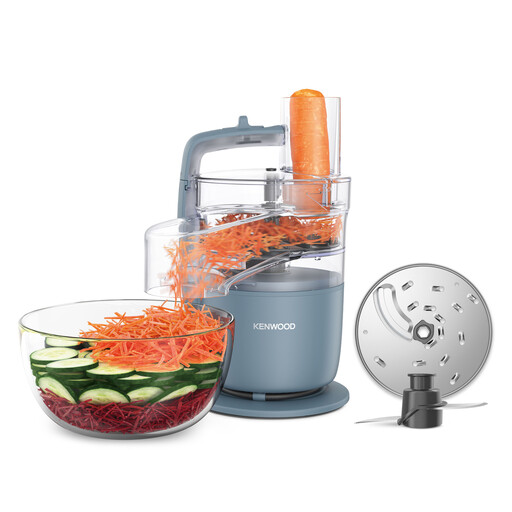 No image available
The product name describes it as a food processor. Check the manual to make sure the model is suitable for your recipe and batch size.
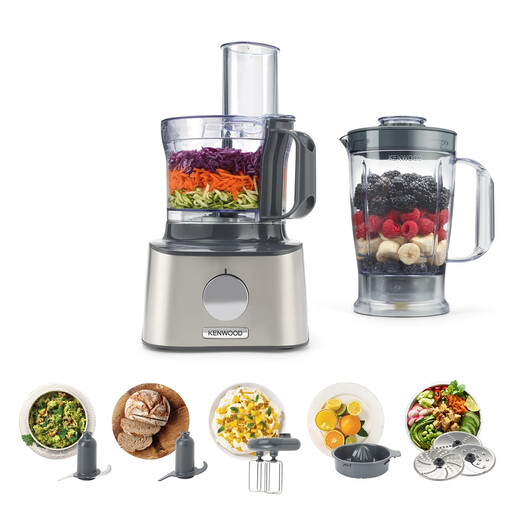 No image available
The product name describes it as a food processor. Check the manual to see whether it’s suitable for scone dough and what quantity you can process per batch.
No. Mix it with cold butter only until the dough just comes together. Kenwood and Arla warn in their recipe advice against overmixing; make sure you also stick to the permitted capacity for your appliance.
Not directly: bowl capacity and maximum dough weight are different things. For example, Bosch states that the MCM3501M has a bowl capacity of 2,3 l and can handle a maximum of 0,8 kg of dough; the number of scones will also depend on how much dough your recipe uses for each one.
Clean the parts you’ve used according to the manual, and make sure food is prepared, stored and sold hygienically. The NVWA states that food sold at markets and events must be prepared, stored and sold safely and hygienically.
Tell customers which allergens the scones contain. The NVWA lists 14 allergens; for cereals containing gluten and nuts, you must also specify the type. Put the information together based on the ingredients you actually use and how you prepare the scones.
No. According to the Rijksoverheid, when you buy a product, you’re entitled to one that works properly; any manufacturer’s or seller’s warranty is in addition to that. If there’s a problem, contact the seller to find a solution.