
Cook who makes small batches
You usually make a small amount of sauce and don’t want to clean a large bowl or lots of separate accessories.


For a small batch of satay sauce, a compact chopper or food processor with a suitably sized small bowl is a good choice. If you also want to chop, slice or grate vegetables regularly, look for a food processor with the accessories you need. Check the permitted quantities, controls and how many parts you’ll need to clean, too.
You usually make a small amount of sauce and don’t want to clean a large bowl or lots of separate accessories.
You want to chop your own roasted peanuts and fresh flavourings, and control how coarse the sauce is.
You want to use the same appliance to slice or grate vegetables for other dishes, too.
Start with the amount you usually make and the texture you want. Then consider whether extra slicing functions and cleaning suit the way you’ll use it.
| What to consider | What to look for | Who should pay closer attention? |
|---|---|---|
| Portion size | Compare the small bowl’s capacity with the actual processing quantity, and check the minimum fill level in the manual. | If I usually make only a small amount of sauce, I want a bowl that suits my portion. Around 33% of consumers prioritise small portions. |
| Texture and peanuts | Check whether the model can chop nuts and whether a pulse function or speed settings let you stop and check the texture as you go. | If I use whole peanuts, I want to keep an eye on how coarse the sauce is while chopping. Around 27% of consumers prioritise processing peanuts and controlling the texture. |
| Extra prep | Check which slicing and grating discs and bowls are included with the exact model. | If I want to prepare vegetables after a trip to the market, I want to know whether the included accessories can handle the job. Around 20% of consumers prioritise versatile food prep. |
| Cleaning and storage | Check the cleaning instructions for each part and think about where you’ll store the bowl, base and accessories. | If I use the appliance for sauce often, I don’t want to clean and store more parts than necessary afterwards. Around 20% of consumers prioritise maintenance and storage. |
An appliance may come with a large bowl as well as a smaller one. Total capacity isn’t the same as the quantity you can process in one go.
Choose a model to suit your usual portion of sauce, and check the small bowl’s capacity and processing instructions for the exact version.
Food processors are designed for tasks such as chopping and slicing, while stand mixers may focus more on baking, mixing and kneading.
Choose based on your main task: chopping peanuts and vegetables, or regularly mixing batter and kneading dough.
The storage time given for a particular recipe doesn’t automatically apply to all homemade leftovers.
The Netherlands Nutrition Centre recommends keeping prepared leftovers in the fridge for two days. Don’t automatically apply a longer storage time from a specific recipe to other foods.
The 5KFC3516ECU is a compact mini chopper with an 830 ml bowl, designed for tasks including chopping nuts and making dips and sauces.
The range includes the Easy Chop+ CHP62.400SI with a 600 ml glass bowl and the MultiPro OneTouch FDM73.480SS, a food processor with a blender.
According to Bosch, the MultiTalent 3 MCM3501M has a 2.3 l bowl, a universal blade, and slicing and grating discs.
Magimix lists a 0.5 l mini bowl for the Mini Plus; the CS 4200 XL is described as coming with three bowls.
These compact choppers and mini food processors are designed for small-batch prep, such as chopping nuts and making sauce. Check the bowl, permitted quantity and accessories for the exact model.
 No image available
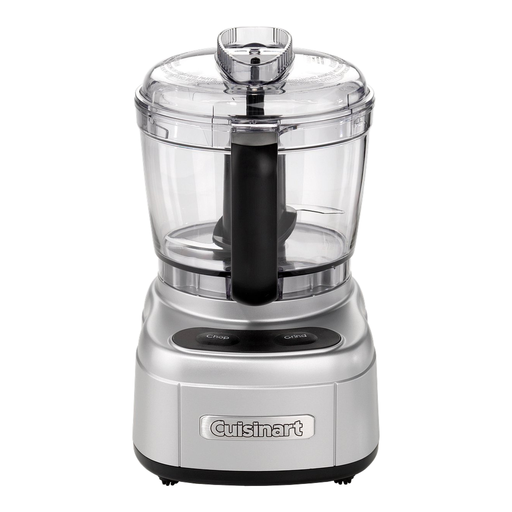
A compact food processor for chopping nuts and adjusting the preparation as you go.
The bowl has a capacity of 900 ml. The description lists pulse control, openings for adding liquid and dishwasher-safe parts.
 No image available
The two bowl sizes give you options for smaller and larger batches.
The glass bowls have capacities of 0.6 l and 2 l; the description lists two speeds and two sets of blades. The power shown in the product name is 300 W.
 No image available
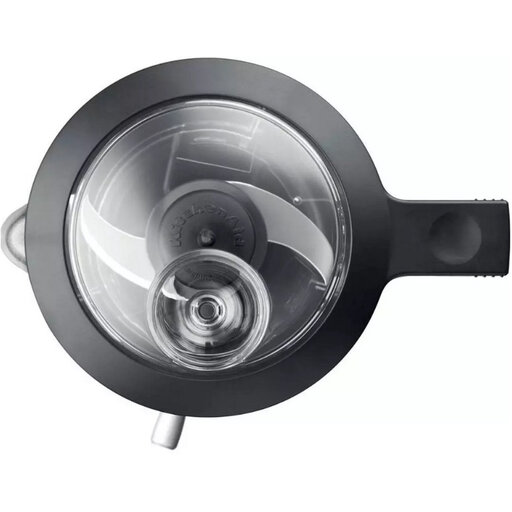
A mini chopper for chopping nuts and adjusting the texture as you prepare your ingredients.
The bowl has a capacity of 830 ml. The description lists a stainless steel blade, two speeds and a pulse function.
 No image available
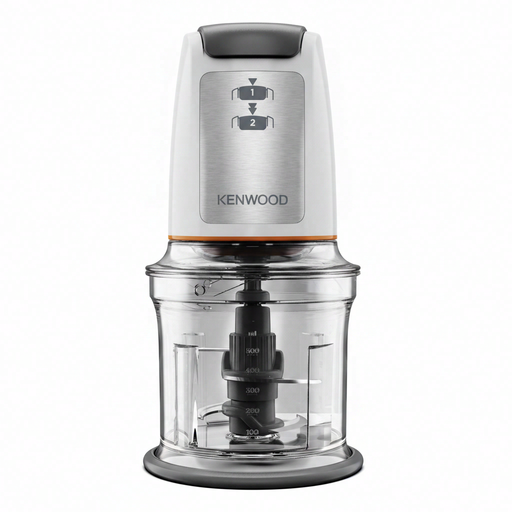
The capacity and stated filling weight are worth checking if you usually process small quantities of ingredients.
The bowl has a capacity of 500 ml and the stated filling weight is 225 g. The description lists four stainless steel blades and two speeds. Use the appliance for no more than 30 seconds at a time, then let it cool for 2 minutes.
 No image available
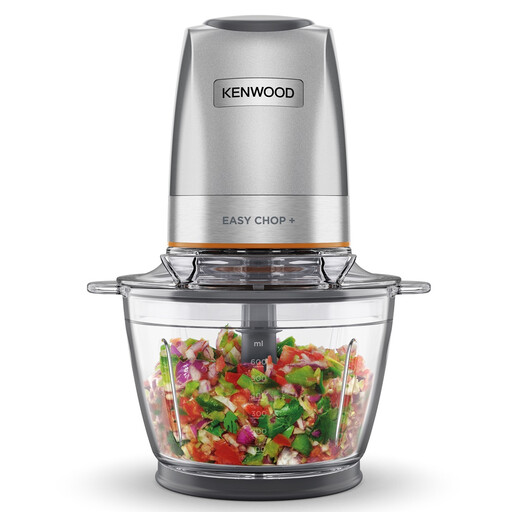
The opening in the lid is handy if you want to add liquid as you prepare your ingredients.
The glass bowl has a capacity of 600 ml. The description lists two speeds and an opening for adding liquid.
Yes, roasted whole peanuts can be chopped to make satay sauce. Foodies describes chopping them in a food processor and then finishing the sauce in a pan. Check the manual to make sure your model can process nuts.
The recipes described here separate chopping the ingredients in the appliance from heating the sauce in a pan. For hot ingredients, follow the temperature and filling instructions in your model’s manual.
The Netherlands Nutrition Centre recommends keeping prepared leftovers in the fridge for two days. Cool the sauce quickly, seal it well and don’t leave it out of the fridge for more than two hours. Advice for an opened jar of peanut butter doesn’t automatically apply to every freshly made recipe.
Don’t serve them satay sauce. The Netherlands Nutrition Centre warns that a peanut allergy can be life-threatening. Check the allergen information for the other ingredients, too.
According to the Dutch government, distance purchases generally come with a 14-day cooling-off period, although there are exceptions. Products must also be of satisfactory quality; if there’s a fault, you can contact the seller to ask for a solution. The Netherlands doesn’t have a fixed statutory two-year guarantee period for all products.