
Fans of thin slices
You want neat, thin radish slices for a family meal. So, start by checking the slicing disc supplied rather than the number of general functions.


For radish slices, choose a food processor supplied with a slicing disc that gives you the thickness you want; a chopping blade is no substitute. Then compare the bowl capacity, direct-to-bowl output, and the effort involved in cleaning and storage. Manufacturers’ disc specifications aren’t independent tests using radishes. Before buying, also check that the exact model has the required CE marking and EU declaration of conformity, as Ondernemersplein explains for electrical appliances.
You want neat, thin radish slices for a family meal. So, start by checking the slicing disc supplied rather than the number of general functions.
You often process several ingredients or prepare a larger dish. Compare the bowl capacity, direct-to-bowl output and the space the appliance takes up.
You want the time saved slicing to outweigh the effort of assembly, washing up and finding cupboard space. A more compact model or fewer separate attachments could be worth considering.
Start with the slice thickness you want, then check that the capacity, collection method and cleaning requirements suit your family meals.
| What to consider | What to look for | Who should pay extra attention? |
|---|---|---|
| Slice thickness | Check which slicing or shredding disc is included with the full model number, and what thickness the manufacturer specifies. This isn’t a hands-on test using radishes. | I want thin, recognisable slices for my dish, so I look at the disc thickness rather than just the chopping functions. Around 36% of consumers say their preferred slice thickness is their top priority. |
| Capacity for a family meal | Compare the stated bowl capacity with the amount you need to process, and check whether the slices collect in the bowl or go straight into a serving dish. | When I’m processing several ingredients for the family, I want to know whether everything will fit in the bowl or can go straight into a dish. Around 29% of consumers prioritise processing capacity and collection. |
| Cleaning and storage | Check how many parts come with the model, how large the appliance is and what the manual says about cleaning. | I don’t want to be left with lots of separate parts to wash after slicing, so I consider washing up and cupboard space. Around 21% of consumers prioritise cleaning and storage. |
| Accessories and running costs | Check which disc comes with the model you’ve chosen and whether the accessory you want is available separately. Also read the terms for parts and any additional warranty. | If I plan to use the appliance regularly, I want to know in advance which disc is included and whether I’ll need to buy any parts separately. Around 14% of consumers consider parts and costs their main priority. |
A chopping blade and a slicing disc are different attachments. So a long list of functions doesn’t necessarily mean the appliance can slice radishes.
Check the disc type, specified thickness and box contents for the full model number.
A bowl’s stated capacity and the option to send food straight into your own dish are two different ways of collecting sliced vegetables.
Decide in advance whether you want to collect the radishes in the bowl or slice them straight into a serving dish.
An additional manufacturer’s warranty doesn’t replace your legal rights if a product is faulty. In that case, the retailer remains your point of contact, according to the Rijksoverheid.
Read exactly what any additional cover includes before paying for it.
According to Kenwood, the MultiPro Express FDP65.820SI and MultiPro Go FDP23.140RD models reviewed differ in bowl capacity and direct-to-bowl output, among other things.
According to Braun, the PureEase FP 3132 BK combines slicing, grating and chopping with a 2.1 l bowl.
According to Magimix, the CS 3200 XL has three bowls. The manufacturer also lists a compatible 2 mm slicing disc for this model.
Bosch lists slicing and grating among the functions of the MultiTalent 3 MCM3501M, and specifies a 2.3 l bowl.
These food processors are suitable for slicing and processing vegetables. For radish slices, the supplied slicing disc is what matters most. Before buying, check that the exact model has the required CE marking and EU declaration of conformity. Ondernemersplein explains these requirements for electrical appliances.
 Image unavailable
The listed slicing and grating accessories could suit you if you want to slice radishes; check whether the disc gives you the thickness you want.
750 W; 1.8 l capacity; blender and meat mincer; separate parts.
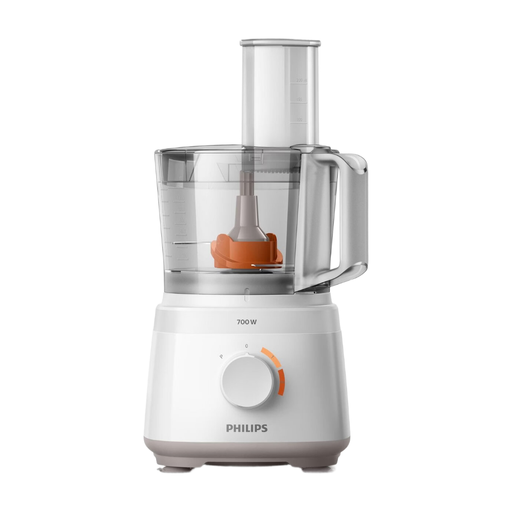 Image unavailable
If you want to slice radishes, check which slicing disc is included with this version and what thickness it produces.
700 W; 1.5 l capacity; 19 functions according to the product name.
 Image unavailable
If thin slices and direct-to-bowl output matter to you, check which disc comes with the exact FDP23.380GR model and whether it can send food straight into a separate dish.
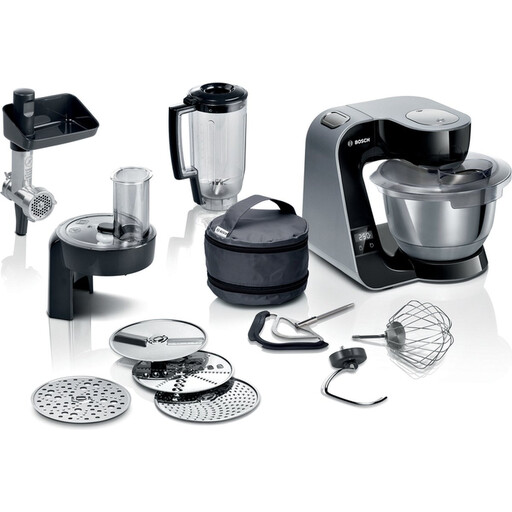 Image unavailable
For a family meal, collection capacity may matter. Check the bowl capacity for this model and whether the right slicing disc is included.
1000 W.
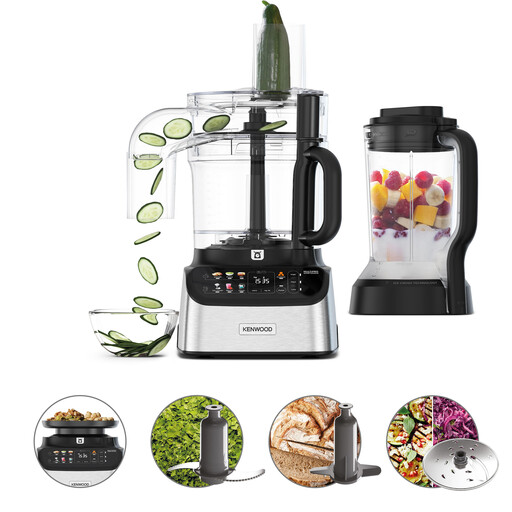 Image unavailable
For radish slices, check whether the exact FDM73 model includes a suitable slicing disc, and how many parts you’ll need to clean and store after use.
Choose a slicing or slicing/shredding disc. Manufacturers list 2 or 4 mm discs for specific models, but those specifications aren’t independent evidence of how evenly radishes are sliced.
No. Check the contents of the exact model. Kenwood lists a supplied 2 mm disc for the FDP23.140RD and FDP65.820SI models reviewed; Magimix also sells a compatible 2 mm disc for the CS 3200 XL separately.
For the exact electrical appliance, check whether it needs the required CE marking and EU declaration of conformity. Ondernemersplein explains these requirements for manufacturers placing electrical appliances on the market.
For many consumer purchases made at a distance, you have a 14-day cooling-off period, according to the Rijksoverheid. Check the terms and any exceptions that apply to your specific purchase.
You have legal rights if a product doesn’t meet what you could reasonably expect from it. There is no fixed statutory warranty period in the Netherlands; if a product is faulty, the retailer is your point of contact, according to the Rijksoverheid.