
Baker with a full kitchen cupboard
You want to be able to make a single tart case, but you need to store the appliance and attachments after use. That makes its external dimensions and how the parts are stored especially important.


For a small quantity of light pastry that you process briefly, a compact food processor could be suitable, as long as your recipe stays within the limits of the exact model. For larger batches or prolonged processing of heavy dough, you could also consider a larger food processor or stand mixer. Be sure to measure both the cupboard and the space needed for accessories.
You want to be able to make a single tart case, but you need to store the appliance and attachments after use. That makes its external dimensions and how the parts are stored especially important.
You want to avoid exceeding the permitted dough quantity or operating time of a small food processor.
As well as an appliance for tart pastry, you’re looking for functions for other food preparation tasks, and weighing these up against extra parts to clean and store.
Choose this option if: cupboard space is your priority and you process small quantities of dough briefly.
Keep in mind: Kenwood’s instructions for the FDP22 type give an example of a maximum of 30 seconds and warn against processing for longer.
Choose this option if: you also want to slice or grate and store the attachments in the bowl.
Keep in mind: a 1.7 L bowl capacity doesn’t tell you how much dough it can handle; check the limit for the exact model.
Choose this option if: you want to make a larger batch and have room in your cupboard for a bigger appliance.
Keep in mind: Bosch specifies a maximum of 0.8 kg of dough for the MCM3501M, with dimensions of 375 × 220 × 260 mm (h × w × d).
Choose this option if: you process heavy dough for a long time, or want to consider whether you need another appliance just to make the occasional tart case.
Keep in mind: the Consumentenbond generally considers a stand mixer more suitable for prolonged processing of heavy dough; another appliance also needs storage space.
| What to consider | What to check before buying | Who is this important to? |
|---|---|---|
| Space for the appliance and attachments | Measure the cupboard’s width, depth and height, then compare them with the appliance’s external dimensions and how all the parts are stored. | If my cupboard is already full, I also need room for the bowl and loose attachments; around 34% of consumers say storage space is their top priority. |
| Mixing dough | Check which blade is specified, the quantity of ingredients and the maximum processing time for the exact model. | I want to mix tart pastry briefly without exceeding the appliance’s operating limit; around 33% of consumers prioritise brief dough mixing. |
| Quantity of dough | Compare the quantity in your recipe with an explicit dough limit; don’t use the bowl capacity as the dough limit. | For larger tarts, I want to know how much dough can be processed at a time; around 20% of consumers say batch size is their top priority. |
| Extra functions and washing up | Check which blades and discs are included with the model and what the manufacturer recommends for cleaning. | If I also want to slice or grate, I weigh those functions against extra washing up and storage space; around 13% of consumers prioritise versatility and washing up. |
A bowl’s capacity doesn’t automatically tell you how much dough the appliance can process.
Compare the ingredients in your recipe with an explicit dough limit for the exact model.
The bowl, lid and attachments also need somewhere to go after use. Some appliances store parts in the bowl; according to Magimix, the Magimix Mini Plus comes with a separate storage box.
Measure the space needed for the complete appliance when stored, including all the accessories you need.
Kenwood warns of overheating if you process for longer than the 30-second example for the FDP22 type. The Consumentenbond generally considers a stand mixer more suitable for prolonged processing of heavy dough.
Check the type of dough, batch size and maximum operating time in the instructions for the exact model.
The MultiPro Go FDP22 series is a compact option for brief dough processing and other food preparation tasks.
The 5KFP0719EBM food processor is an option if you’re looking for a dough blade and in-bowl storage for attachments.
The MultiTalent 3 MCM3501M has a specified maximum dough quantity, for anyone with room to store an appliance of its size.
The Mini Plus is a slim food processor for anyone primarily comparing the cupboard width available.
Joybuy picks for mixing dough, from food processors to stand mixers.
 Image unavailable
The product title describes a dough mixer and food processor; check whether the instructions cover your tart pastry and batch size.
4.5 L stainless steel bowl; 1300 W; six speeds; dough hooks.
 Image unavailable
The product description mentions kneading, slicing and grating; compare the external dimensions with the space available in your cupboard.
1.3 L bowl; seven speeds; six accessories; dimensions 37.9 × 33.8 × 23.4 cm.
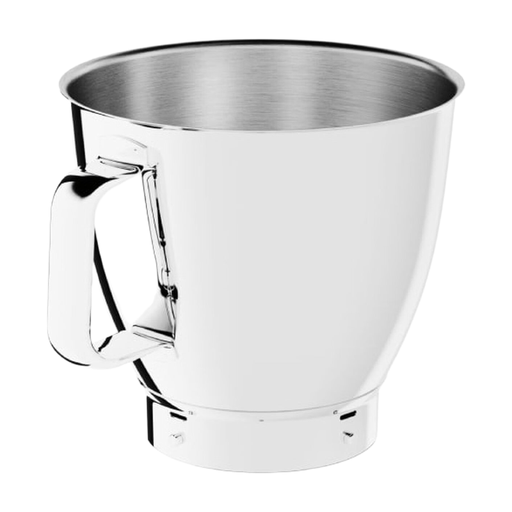 Image unavailable
The title describes this model as a food processor and stand mixer; check which dough function and attachments are included with this model.
700 W motor; 4.3 L stainless steel bowl; attachments included.
 Image unavailable
The product description mentions mixing and a pulse function; check the instructions to see whether your dough recipe and batch size are suitable.
800 W; 2.3 L bowl; two speeds and pulse function; dimensions 397 × 263 × 369 mm.
 Image unavailable
The compact FDP22 could suit you if brief dough processing and limited cupboard space are priorities; follow the instructions for the exact model.
1.3 L bowl; blade; reversible slicing and grating disc; cable storage; dimensions 23.9 × 15.8 × 29.7 cm.
For the FDP22 type, Kenwood gives an example using 250 g of flour and 150 g of water for 30 seconds, while holding the handle. Processing for longer is not recommended because of the risk of overheating; this doesn’t confirm that every recipe will work.
A food processor may be suitable for briefly mixing light pastry, especially if you also want to chop or slice. The Consumentenbond generally considers a stand mixer more suitable for prolonged processing of heavy dough; the type of tart pastry and the instructions for your model are still key.
No, don’t use the bowl capacity as the dough limit. Check the specific maximum dough quantity for your model; this may be listed separately from the bowl capacity.
Follow the instructions for the exact model. Kenwood’s example for the FDP22 type uses the blade, 250 g of flour and 150 g of water for 30 seconds, while you hold the handle. Processing for longer is not recommended because of the risk of the motor overheating; don’t assume the example quantities will work for another recipe.
According to the Netherlands Food and Consumer Product Safety Authority, CE marking is compulsory for electrical products sold in the Netherlands. CE is a declaration by the manufacturer that the product meets the relevant European requirements, not an independent quality mark.
For many distance purchases from a business, you have a 14-day cooling-off period, according to the Dutch government. There are exceptions, so check the terms that apply to your specific purchase.