Choose a food processor for pastry based on whether its included blade or dough tool and stated dough capacity suit your recipe. For example, Bosch lists a maximum dough capacity of 0.8 kg for the MCM3201B. If you often whisk cake mixtures or knead heavy dough for long periods, the Dutch Consumers’ Association generally recommends a stand mixer instead. Also check whether the slicing disc for pears is included with the version you’re considering.
Who is this buying guide for?
Tart baker looking to mix pastry
You’re looking for a method that suits the amount of pastry you need for your tart case, and want to know in advance which mixing tool the machine includes. The Dutch Consumers’ Association discusses food processors as an option for brief, light pastry-making, while Bosch specifies the dough capacity of the MCM3201B.
Host making several tarts
You may be making more than one tart case and want to know how much pastry the bowl can hold at a time, rather than relying on its capacity in litres alone. Magimix Netherlands and Bosch Netherlands list bowl and dough specifications for individual models.
Baker with limited cupboard space
You want to put the machine away after your gathering and are considering smaller portions or working in batches. The Dutch Consumers’ Association and Kenwood Netherlands outline points to consider for short pastry-making tasks and compact models.
What should you look for when choosing?
Start with the dough tool and the permitted batch size for your recipe. Then check whether the bowl, storage requirements and any slicing discs suit the other jobs you want the machine to do.
| What to consider |
What to look for when buying |
Who should pay particular attention? |
| Suitable for tart pastry |
Check the included blade or dough tool, the instruction manual and the dough capacity of the exact model. |
If I want to bring the pastry for a tart case together quickly, I want to know whether the tool and capacity suit my recipe. Around 36% of consumers rank suitability for tart pastry as their top buying priority. |
| Pastry batch size |
Compare the total amount in your recipe with a capacity stated on the same weight or volume basis; don’t convert litres into kilograms of dough without a reliable basis. |
For a family gathering, I want to make enough pastry for the planned number of tart portions without unexpectedly having to process an extra batch. Around 29% of consumers prioritise a suitable batch size. |
| Storage and cleaning |
Measure the available cupboard and worktop space, and check the manufacturer’s cleaning instructions for each part. |
If cupboard space is limited, a machine that’s easy to store compactly matters more than a bowl that can handle the largest batch. Around 21% of consumers name storage space as their top priority. |
| Pear-slicing discs and other features |
Check which slicing discs are included and whether the exact version offers the thickness of slice you want. |
If I also want to slice pears with the machine or use it to prepare other dishes, I want to know which discs are actually in the box. Around 14% of consumers prioritise additional slicing features. |
Common buying mistakes
-
Confusing bowl capacity with the permitted amount of dough
Bowl capacity in litres and maximum dough capacity are two different specifications. Bosch lists a 2.3 l mixing bowl and a maximum dough capacity of 0.8 kg for the MCM3201B.
Compare the amount in your recipe with the stated dough capacity of the exact model you’re considering.
If your batch won’t fit in one go, you may need to make extra batches and wash up more.
-
Choosing a compact food processor for prolonged, heavy kneading
Kenwood limits the dough-processing time described for the FDP22 type to 30 seconds. The Dutch Consumers’ Association distinguishes between short, light pastry-making and prolonged kneading with a stand mixer.
Choose based on the types of dough you make most often, and follow the instructions for the exact version.
A food processor may be less suitable for your other baking tasks if they mainly involve prolonged kneading or whisking cake mixtures.
-
Assuming every version of a model comes with the same attachments
Manufacturer specifications for dough tools, bowls and discs apply to the version named; don’t automatically assume they apply to an entire product range.
Compare the full model number and box contents before you decide.
If you want a particular slicing disc or dough tool, choosing a version without it could mean buying it separately or opting for a different model.
Brands to compare by version
Bosch
The MultiTalent range is worth considering if you want to compare dough capacity, pulse control and included accessories by version.
- Bosch lists a maximum dough capacity of 0.8 kg and pulse control for the MCM3201B.
- That dough capacity and specification are model-specific; don’t treat them as general details for every Bosch version.
Magimix
The CS 3200 XL is worth comparing if you’re looking for several bowl sizes and an included dough blade.
- According to Magimix Netherlands, the CS 3200 XL comes with three bowls of 2.6 l, 2.2 l and 1.2 l, plus a dough blade.
- Bowl capacities alone don’t indicate the maximum amount of tart pastry you can make; check which batch size is suitable for your recipe.
Kenwood
The MultiPro Go range may be worth considering if compact storage matters and you can work with smaller batches of pastry.
- For the FDP22 type, Kenwood describes processing a dough made with 250 g of flour and 150 g of water for 30 seconds.
- Kenwood warns against processing for longer than 30 seconds with the FDP22 type, as this could cause the motor to overheat. According to Kenwood, the FDP22.140GY has a 1.3 l bowl; check the accessories and specifications for each model number.
KitchenAid
The 5KFP1319 food processor is worth comparing if you’re also considering slicing, grating and dicing, as well as mixing.
- KitchenAid lists these features for the 5KFP1319 and gives its bowl capacity as 3.1 l.
- Don’t work out the maximum amount of pear tart pastry from the bowl capacity alone; check the guidance for the exact model and your recipe.
Joybuy products for mixing and kneading
The Joybuy options below are stand mixers with mixing or kneading functions. They’re an alternative if you also want to tackle other mixing and kneading tasks.
 Image unavailable
Dough mixer with 4.5 l stainless steel bowl, 1300 W
The title mentions dough hooks and a dough mixer – features to consider if kneading is part of your baking routine.
The product title lists 1300 W, six speeds plus a pulse function, and a 4.5 l stainless steel bowl.
View at Joybuy
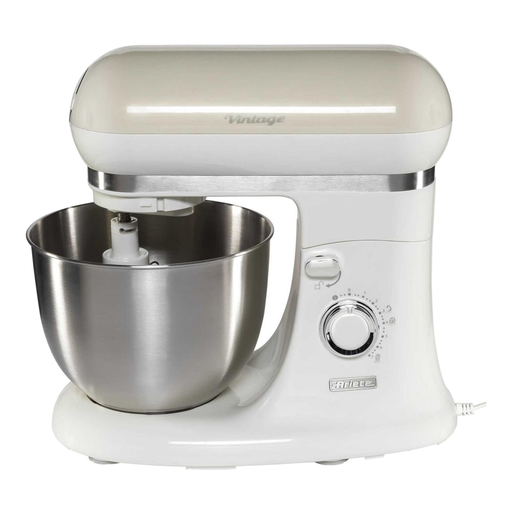 Image unavailable
Ariete 1588/03 stand mixer
The product title mentions planetary mixing, a feature to consider if you want to use the machine for mixing tasks when baking.
The product title lists 1000 W and a 5 l stainless steel mixing bowl.
View at Joybuy
Frequently asked questions
Can you make pear tart pastry in any food processor?
Not necessarily. Compare the amount of ingredients with the dough capacity and included tools for the exact model. The Dutch Consumers’ Association says food processors are suitable for short, light pastry-making, but generally recommends stand mixers for more intensive mixing and kneading.
How can you avoid overloading a compact food processor?
Follow the instructions for the exact model. As an example, Kenwood gives 250 g of flour and 150 g of water for the FDP22 type, with a maximum processing time of 30 seconds, and warns that longer processing could cause the motor to overheat. This example isn’t a universal recipe for pear tart pastry.
Does tart pastry need to rest after mixing?
Follow the resting time in the recipe you’re making. Laura’s Bakery recommends chilling its shortcrust pastry for at least one hour, while a sweet shortcrust pastry recipe from Magimix recommends at least 30 minutes.
What are my rights if a food processor bought online disappoints or breaks?
For online purchases made by consumers from a business, the Dutch Government says that in many cases you have a 14-day cooling-off period; check the terms that apply to your purchase. If a product breaks within the first year, the Dutch Government says the seller must prove that the consumer is at fault. An additional manufacturer’s guarantee doesn’t replace your statutory rights.
What rules apply to electric food processors and parts that come into contact with food?
Electrical equipment is subject to the applicable EU product rules for CE marking. The mark is a declaration of conformity by the manufacturer, not an independent baking test. Parts intended to come into contact with food must meet the applicable Dutch and European requirements for food contact materials. Check the information for the exact version.


