
Baking a single tart base
You want to mix the butter and flour briefly without overworking the pastry. A Good Food shortcrust pastry recipe recommends pulsing until the mixture is crumbly, so pulse control and a suitable batch size are important.


For a single pear tart base, a food processor with a pulse function and a bowl that suits your recipe is a practical option: pulse briefly and stop as soon as the pastry comes together. In a shared kitchen, the appliance’s dimensions, accessory storage and washing-up are also worth considering. If you rarely make shortcrust pastry, you can rub the butter into the flour by hand; for regular mixing, whisking or prolonged kneading, a stand mixer is generally a better fit.
You want to mix the butter and flour briefly without overworking the pastry. A Good Food shortcrust pastry recipe recommends pulsing until the mixture is crumbly, so pulse control and a suitable batch size are important.
You want to be able to put the machine away after use, and find and clean its parts easily. The Consumers’ Association points out that cleaning a food processor can take longer than doing the same job by hand.
You regularly make more than one batch, so you compare the processing capacity, not just the bowl’s total capacity. Bosch and Magimix, for example, list separate capacities for dough or processing for their models.
Start with what you make most often: brief pulsing or mixing by hand may be enough for a single tart base, while a stand mixer is usually the better choice for regular mixing, whisking or prolonged kneading. Then compare the processing capacity, how much space the appliance takes up and how much cleaning is involved.
| What to consider | What to look for | Who should pay particular attention? |
|---|---|---|
| Control while mixing | Check whether the model has a pulse function and which blade or dough attachment is included. | For a single tart base, I want to mix butter and flour briefly and stop as soon as the mixture comes together. Around 36% of consumers put control over mixing first. |
| Worktop and cupboard space | Compare the appliance’s dimensions with the space available and consider where the bowl and accessories can be stored. | If I share a worktop, I want to be able to put the machine away after use. Around 29% of consumers give available space top priority. |
| Cleaning between users | Check the cleaning instructions for each part and count the bowls and attachments you’ll actually use. | When several people use the kitchen, I want to clean and put the parts away quickly. Around 21% of consumers put cleaning first. |
| Quantity per batch | Compare the dough quantity specified by the manufacturer for the exact model with your recipe; don’t confuse it with the bowl’s total capacity. | If I regularly make larger batches, I want to know how much dough it can handle at a time. Around 14% of consumers give usable capacity top priority. |
Manufacturers may list total capacity and processing capacity separately; the dough limit may be a different specification again. So the bowl’s capacity alone doesn’t tell you how much dough you can make at a time.
Compare the limit for your recipe with the information for the exact model in the product details or manual.
For a small batch of pastry, washing the bowl, lid and blade can take longer than mixing it by hand.
Factor in the parts you’ll actually need. If you rarely make tart pastry, you could consider mixing it by hand.
Extra attachments can also mean more time spent cleaning and storing them.
A food processor can mix a small amount of light pastry briefly, while a stand mixer is generally better suited to regular mixing, whisking or prolonged kneading.
Let the preparation you make most often guide your choice, rather than the number of functions alone.
The MultiTalent 3 MCM3200W is worth considering if you’re looking for a pulse function and a way to store accessories inside the bowl.
According to Kenwood, the MultiPro Compact FDP31.360GY combines a pulse function and dough attachment with storage for accessories inside the bowl.
The CS 3200 XL is worth considering if you want to process fruit and other ingredients as well as tart pastry, and have room for several bowls.
This selection includes compact food processors and stand mixers for brief mixing or for recipes where you need a larger mixing bowl. For each model, check that the accessories and capacity suit your recipe and the storage space available.
 No image available
An option if you’re looking for a larger mixing bowl as well as something for brief mixing; check that the machine and accessories suit your shared kitchen.
4.5-litre stainless steel bowl; 6 speeds plus pulse function.
 No image available
The pulse function and compact design make it suitable for brief mixing and storage in a shared kitchen.
2.3-litre bowl and 800 W power. For this model, Bosch lists a maximum dough quantity of 0.8 kg and dimensions of 375 × 220 × 260 mm.
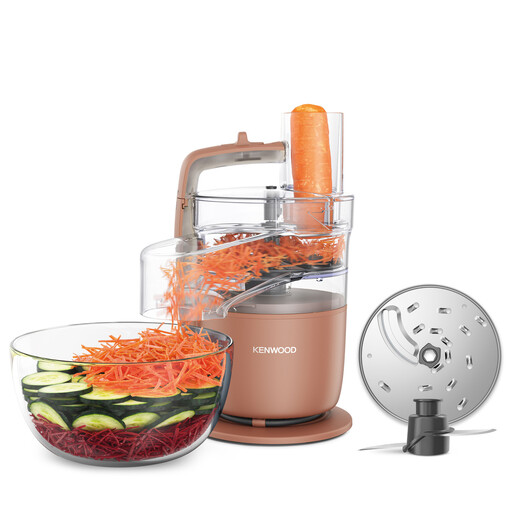 No image available
A good fit if you’re looking for a food processor for brief mixing in a compact kitchen. Check this model’s capacity and included attachments against your recipe.
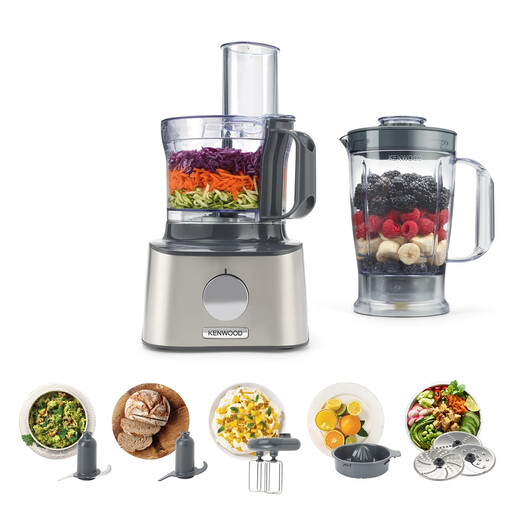 No image available
A compact food processor to consider if brief mixing and easy storage matter to you. Check the manual for the recipe limit and cleaning instructions for each part.
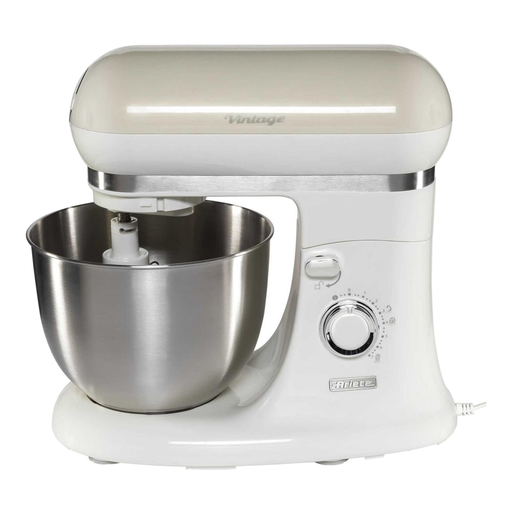 No image available
A stand mixer to consider if you regularly mix or make other recipes as well as tart pastry. Check its dimensions and storage requirements before choosing a place for it in a shared kitchen.
1000 W power, 5-litre stainless steel mixing bowl and planetary mixing action.
Pulse the chilled butter and flour according to your recipe until the mixture is crumbly, add the liquid gradually and stop as soon as the pastry comes together. Follow the recipe you’re using for the ingredients and resting time; the right batch size also depends on the limit for the specific machine.
Not necessarily: check the manual for each part separately. The Consumers’ Association warns that plastic parts can warp if the washing temperature is too high.
Compare the amount of dough in your recipe with the dough limit for the exact model. Total bowl capacity and processing capacity are different measurements and don’t necessarily indicate the same capacity.
Discuss ingredients and cleaning with them in advance, and clean the machine thoroughly after use. The Netherlands Nutrition Centre lists cereals containing gluten, eggs, milk and nuts among common allergens; even a small amount can trigger symptoms in someone with a food allergy. A food processor alone won’t prevent contact with residue from previous preparations.
In the Netherlands, contact the retailer if the product is faulty. According to the Government of the Netherlands, there is no fixed statutory two-year guarantee; a manufacturer’s guarantee is in addition to your legal rights.