
Baking one tart base
You want to briefly mix cold butter and flour for one sweet tart and are mainly looking for control over the texture of the pastry. Recipes from KeukenLiefde and Magimix show methods using cold butter and a kneading blade.


Choose a food processor that lets you mix the dough briefly and with control, then compare the amount of dough the exact model can handle with your recipe. A compact bowl may be suitable for one tart base; more bowl capacity can be useful for several, but you’ll also need space for the appliance and its accessories. Check the maximum dough capacity and the product requirements for the model you’re considering.
You want to briefly mix cold butter and flour for one sweet tart and are mainly looking for control over the texture of the pastry. Recipes from KeukenLiefde and Magimix show methods using cold butter and a kneading blade.
You’re making more than one batch of dough for guests and comparing the permitted dough capacity, rather than just the bowl capacity.
You want to keep some space free after your guests have left, so you’re weighing up the size of the appliance against the bowl capacity and the accessories you want to store.
First, check whether you can control the mixing. Then consider the amount of dough and the storage space you’ll need for your situation.
| What to consider | What to look for | Who is this important for? |
|---|---|---|
| Mixing control | Check whether the model has a pulse setting and which blade or dough tool is included. | If I want to process cold butter briefly and decide when to stop, mixing control comes first; around 36% of consumers say controlled mixing is their main buying concern. |
| Dough per batch | Compare the stated maximum dough capacity in kg with the total weight of all the ingredients in your recipe; don’t use bowl capacity in litres as a substitute. | When I’m baking for guests, I want to know whether the required amount will fit in one batch; around 29% of consumers prioritise the portion size per batch. |
| Storage and cleaning | Measure the space available for the appliance and accessories, and check the cleaning instructions for the exact model. | If I only bake occasionally, I want to be able to put the appliance away afterwards and clean the parts according to the instructions; around 21% of consumers prioritise storage and cleaning. |
| Other uses | Check which chopping, slicing or grating attachments are actually included with the model. | If I also want to use the appliance for chopping, slicing or grating, I want to know which attachments I’ll actually get; around 14% of consumers prioritise other kitchen tasks alongside making tart pastry. |
The stated bowl capacity and maximum dough capacity are different specifications. For example, Bosch lists a 2.3 l bowl and a maximum of 0.8 kg of dough for the MCM3501M; Magimix distinguishes between a total capacity of 2.6 l and a processing capacity of 1 l.
Compare the total weight of your recipe with the dough capacity stated for the exact model.
The Consumentenbond’s test method gives kneading bread dough a 1% weighting in its food processor tests. The dough test described uses white bread mix, not sweet tart pastry.
Don’t treat a general test result as proof of how your tart base will turn out. Check the controls, suitable quantity and included tools separately.
Arla recommends using the pulse function and cold butter for shortcrust pastry, rather than running the appliance continuously.
Follow your chosen recipe and stop once the desired texture is reached; prolonged kneading isn’t necessarily needed for a crumbly tart base.
The MultiTalent 3 MCM3501M is a useful reference if you want to consider the stated dough capacity, pulse control and space needed for the appliance.
The MultiPro Go FDP23.140GY is a compact option to consider for smaller quantities and additional food preparation tasks.
The black CS 3200XL with citrus press is a useful reference if you’re weighing up several bowls and other uses alongside making tart pastry.
These Joybuy picks range from compact choppers and food processors to appliances with a larger stated bowl capacity. Bowl capacity in litres alone doesn’t tell you how much tart pastry a model can handle. The NVWA requires food processors marketed in the Netherlands to carry CE marking; applicable Dutch and European rules also apply to parts that come into contact with food. Check the requirements for the exact model.
 No image available
The product name lists a 4.5 l bowl and six speeds plus pulse; check the maximum dough capacity for your recipe.
Also listed: 1300 W and a beige finish.
 No image available
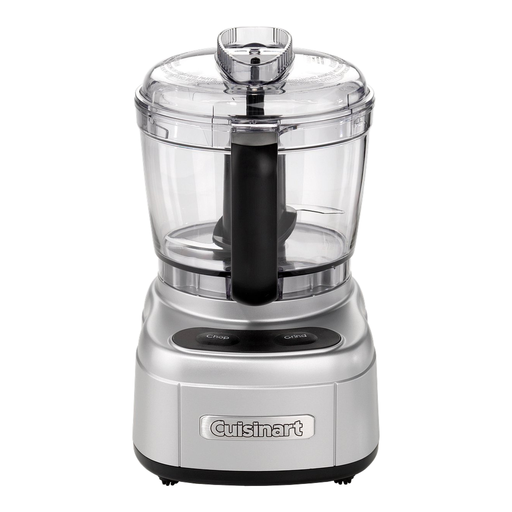
The product description lists a 900 ml bowl, pulse buttons and chopping and grinding functions; check whether the permitted quantity suits your recipe.
The product name specifies stainless steel.
 No image available
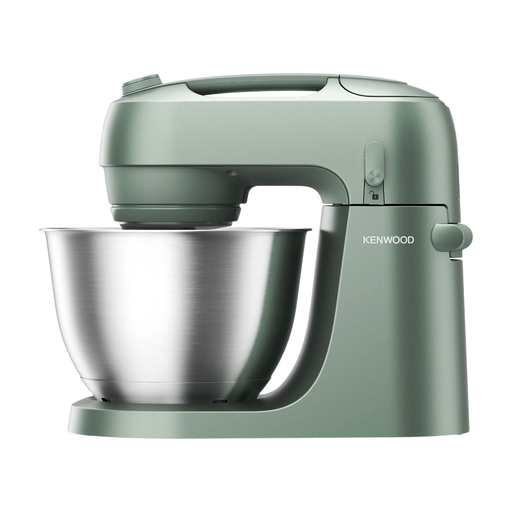
The product name describes a compact mini chopper with a 0.5 l bowl; check the permitted quantity for the dish you want to make.
Also listed: 350 W, a removable blade and a lime green finish.
 No image available
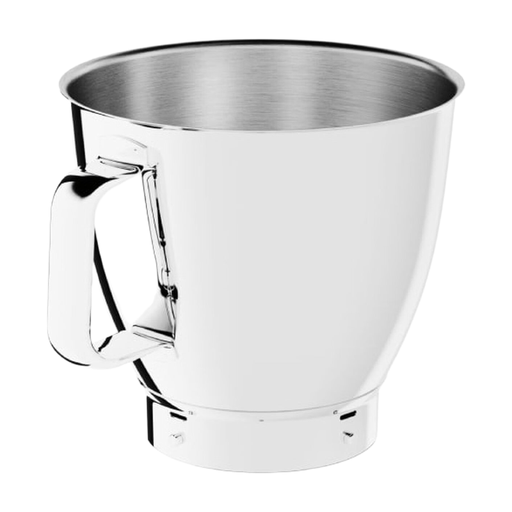
The product name lists a 4.3 l stainless steel bowl; check the maximum dough capacity for your recipe separately.
Also listed: 700 W and included attachments.
 No image available
The product description lists two speeds, pulse and a mixing function; check whether the permitted dough capacity suits your recipe.
The product name lists 800 W and a 2.3 l bowl.
Use cold butter and mix briefly according to your recipe. Stop as soon as the desired texture is reached. A pulse setting can help you control the mixing. KeukenLiefde and Magimix say in their recipes that the dough should be chilled before rolling out; follow the resting time specified in your chosen recipe.
No, don’t assume that it can. Kenwood lists specific dishwasher-safe parts for the FDP23.140GY; Bosch says that the MCM3501M accessories are generally dishwasher-safe. Follow the cleaning instructions for the exact model.
No. According to the Dutch government, there is no fixed statutory guarantee period in the Netherlands: a product must remain fit for purpose for as long as you can reasonably expect. If something goes wrong, the seller must provide a solution; any manufacturer’s guarantee is in addition to this.
The NVWA requires food processors marketed in the Netherlands to carry CE marking. Applicable Dutch and European rules also apply to parts that come into contact with food, including the Commodities Act Decree on Packaging and Consumer Articles. Check the requirements for the specific model; these are product requirements, not a licensing requirement for home cooks.