What should you look for when choosing?
First work out how much pastry you want to make at a time, then check the model-specific dough capacity. Next, consider which accessories and dimensions will suit your kitchen.
| What to consider |
What should you check? |
Who is this important for? |
| Control over mixing |
Check which blade is included and whether the model has a pulse setting and suitable pastry-making instructions. |
If I want to mix the pastry in short bursts and check it between each one, I’ll prioritise control and clear instructions. Around 36% of consumers give control over pastry the highest priority. |
| Pastry quantity per batch |
Compare the total weight of pastry in your recipe with the stated limit for the exact model. |
If you’re making several pie crusts, you’ll want to know how much pastry can be processed per batch so you can plan your mixing rounds. Around 29% of consumers prioritise the quantity per batch. |
| Preparing pastry and filling |
Check which blades and slicing or grating discs are actually included with the model you’re considering. |
If I want to use one appliance for the pastry and for preparing the vegetables for the filling, I’ll check which accessories are included. Around 21% of consumers prioritise this versatility. |
| Storage and cleaning |
Measure the space available and check the model’s dimensions, parts and cleaning instructions. |
If I have limited worktop or cupboard space, I’ll want an appliance that’s practical to store. Around 14% of consumers give ease of storage the highest priority. |
Joybuy product picks
These Joybuy product picks include food processors and stand mixers for preparing dough. Check which parts and instructions are right for your pastry with each model.
 No image available
Food processor and dough mixer, 4.5 l, beige
The product title describes both a food processor and a dough mixer. Compare the included parts and instructions with what you need for your pastry.
The title lists a 4.5 l stainless steel bowl, 1300 W and six speeds plus pulse.
View at Joybuy
 No image available
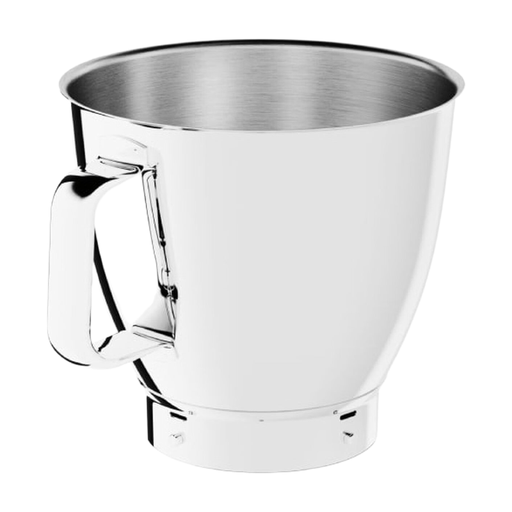
Kenwood KAB70.000SS Food Processor Stand Mixer
The title combines a food processor and stand mixer. Check whether the included attachments and instructions are suitable for the pastry you want to make.
The title lists a 700 W motor and a 4.3 l stainless steel bowl.
View at Joybuy
 No image available
Bosch MCM3200W MultiTalent 3
The title describes a compact food processor. Check the instructions for the short pastry-making process you have in mind, and make sure you have enough storage space.
The title lists 800 W and a 2.3 l bowl.
View at Joybuy
 No image available
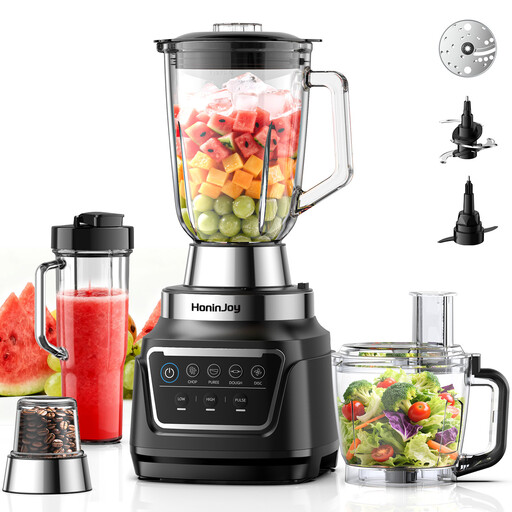
HoninJoy All-in-One Blender & Food Processor, 10-in-1
The product title includes dough preparation alongside blending and food processing. Check which attachment and programme are intended for pie pastry.
The title lists a model with 10 functions.
View at Joybuy
 No image available
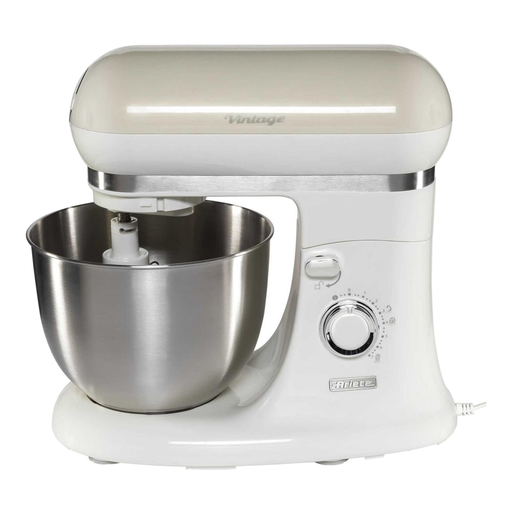
Ariete 1588/03 Kitchen Machine Food Processor
The product title mentions planetary mixing. Check whether the manufacturer’s instructions recommend it for the type and quantity of pastry you want to make.
The title lists 1000 W and a 5 l stainless steel mixing bowl.
View at Joybuy
Frequently asked questions
Should I choose a food processor or a stand mixer for pastry?
A food processor is suitable for briefly mixing light pastry, especially if you also want to chop or slice. If prolonged kneading or baking is the main task, a stand mixer is generally a better choice, according to the Consumentenbond’s buying advice.
Can I fill the bowl to the brim with dough?
Don’t use the bowl capacity to estimate how much dough you can make. For example, Bosch lists a 2.3 l bowl capacity for the MCM3501M and separately states that it can process up to 0.8 kg of dough. Check the limit for your exact model.
How long can I process dough in a food processor?
Follow the instructions for your exact model when it comes to processing time. For its MultiPro Go dough example, Kenwood warns that processing for more than 30 seconds could cause overheating. Don’t assume this model-specific guidance applies to other appliances.
What should I consider when selling cakes at school?
Agree with the school how the pie will be prepared, chilled and transported safely, and how customers will receive allergen information. The NVWA sets out safe food handling requirements for market and event sales, as well as information about allergens. The exact approach depends, among other things, on how the food is sold and packaged. According to the NVWA, anyone who prepares and sells food several times a year at markets and events must have a food safety plan based on HACCP.
How can I keep the pie safe until the sale?
The Netherlands Nutrition Centre advises putting leftovers in the fridge, covered and cooled, within two hours of preparation, and setting the fridge to 4 °C. The NVWA requires perishable food sold at markets and events to be kept at the correct temperature, so plan transport and serving accordingly.


