
Weekend baker making tart cases
You want to quickly combine cold butter and flour into crumbs, then bring the dough together briefly. Rutger Bakt describes both mixing by hand and mixing with blades.


For shortcrust pastry, a food processor with a chopping blade and pulse control is a sensible choice, as you can briefly combine cold butter and flour without prolonged kneading. Then compare the amount it can process with your recipe, how much cleaning is involved and how much storage space you’ll need. A stand mixer is a better fit if you mainly want to blend, whisk or knead bread dough for longer.
You want to quickly combine cold butter and flour into crumbs, then bring the dough together briefly. Rutger Bakt describes both mixing by hand and mixing with blades.
You make larger or successive batches and want to know how much dough the specifications say you can process at once, not just how large the empty bowl is. Bosch Netherlands and Magimix Netherlands provide quantities for specific models.
You might also want to chop or grate, but you’ll need to allow for the space taken up by the appliance and its accessories, as well as cleaning them. The Consumers’ Association describes food processors as being used for tasks such as chopping, slicing and grating; check which accessories come with each version.
Start with control over mixing and the quantity in your recipe. Then check whether the dimensions, accessories and other functions suit your kitchen.
| What to consider | What to look for | Who is this important for? |
|---|---|---|
| Brief, controlled mixing | Check whether the version includes a chopping blade and pulse control. | If I want to briefly combine cold butter and flour, I look for a way to control the mixing time myself. An estimated 36% of consumers put control over mixing first. |
| Quantity per batch | Compare the quantity in your recipe with the maximum dough capacity for the exact model. | Anyone making several pastry cases will want to know whether the planned batch is within the model’s specifications. Around 29% of consumers put portion size first. |
| Storage and cleaning | Check the external dimensions, storage space for accessories and cleaning instructions for each part. | If I have limited cupboard space, I also want to know where the accessories will go and how many parts I’ll need to clean after baking. Around 21% of consumers give storage and cleaning top priority. |
| Features versus cost | Consider which accessories you’ll actually use and compare the terms for parts and the warranty. | If you want to use the appliance for other kitchen tasks too, weigh up whether the extra features justify the cost. An estimated 14% of consumers put versatility and cost first. |
The capacity of an empty bowl doesn’t tell you how much dough the manufacturer says you can process at once. Bosch lists a 2.3 l bowl and a maximum dough capacity of 0.8 kg separately for the MCM3501M.
Check the limit for the specific model and compare it with the quantity in your recipe.
For shortcrust pastry, Rutger Bakt describes briefly mixing with blades. The Consumers’ Association distinguishes food processors from stand mixers, which are mainly used for blending, whisking and kneading.
Choose an appliance based on what you make most often, and mix shortcrust pastry in short bursts.
An optional plan is separate from the statutory rights you have as a consumer. ACM ConsuWijzer explains that your statutory guarantee depends on what you can reasonably expect from the product under normal use.
Compare the terms of an additional plan with what it actually adds.
The MultiTalent 3 is worth comparing if you’re looking for pulse control and a stated dough capacity.
According to Kenwood, the MultiPro Compact FDM301SS combines a chopping blade and pulse function with accessories for other types of preparation.
The CS 3200XL is an option with several bowls for anyone who wants to process different quantities and tackle other kitchen tasks.
According to KitchenAid, the 5KFP1319EER has a larger bowl and accessories for different types of preparation.
This selection includes food processors with functions for brief mixing or chopping, as well as models with accessories for other kitchen tasks.
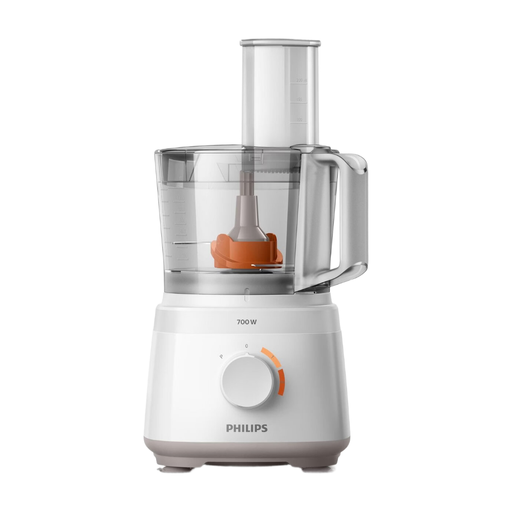 No image available
The product description mentions dough preparation on setting 1 and an S-shaped blade, which may be useful if you want to mix in short bursts.
700 W; 1.5 l bowl; 19 functions; overheating protection.
 No image available
The stated pulse function is suited to short bursts of mixing; check which parts are included with this version.
800 W; 2.3 l bowl; two speeds and pulse function.
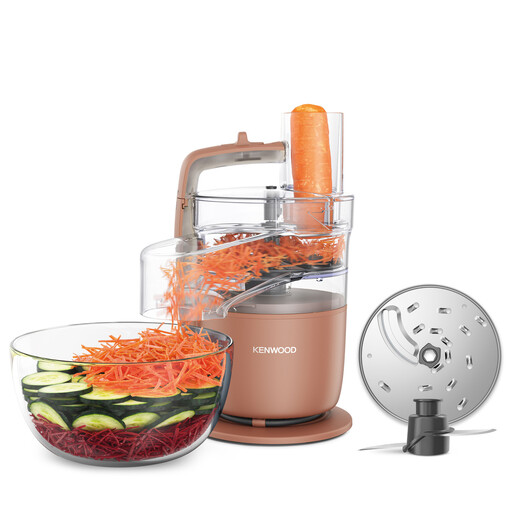 No image available
The pulse function and blades described are useful if you want to combine short bursts of mixing with other types of preparation.
1.3 l bowl; pulse function; two blades; slicing and grating discs.
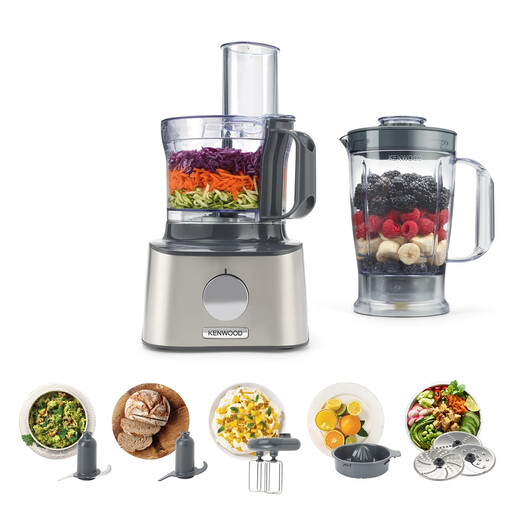 No image available
The pulse and chopping functions described suit anyone looking to work in short bursts and chop ingredients.
2.1 l bowl; two speeds and pulse function.
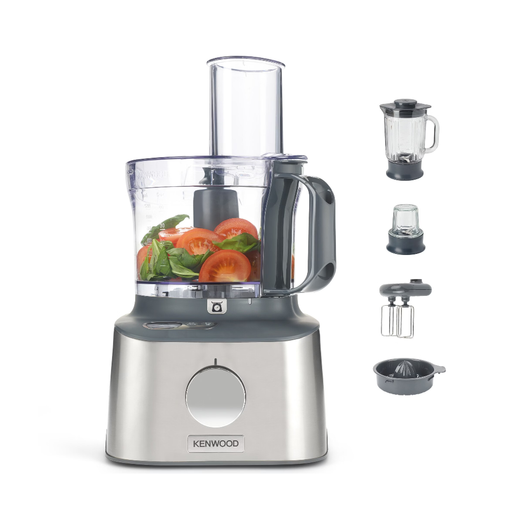 No image available
The pulse function is useful for short bursts of mixing; the product description also mentions detachable, dishwasher-safe parts.
2.1 l bowl; two speeds and pulse function.
For briefly combining cold butter and flour, Rutger Bakt describes using blades. An included dough tool isn’t automatically the right attachment for this step; also follow the instructions for your model.
First mix the cold butter and flour until they form crumbs, then add liquid. Rutger Bakt recommends mixing the dough only briefly afterwards and leaving it to rest in the fridge for at least 30 minutes.
No. Bowl capacity and maximum dough capacity are not the same. Bosch Netherlands lists a 2.3 l bowl and a maximum of 0.8 kg of dough for the MCM3501M; Magimix Netherlands gives a processing capacity of 1 l for the CS 3200XL, but doesn’t specify this as the maximum amount of shortcrust pastry. Check the specifications for the exact model.
Don’t assume so: cleaning instructions may vary by part and version. Check the instructions for the exact model before putting any parts in the dishwasher.
Electrical appliances must meet applicable European requirements, including obligations relating to CE marking. Parts that come into contact with food must meet requirements for food contact materials. Business.gov.nl, the European Union and the Netherlands Food and Consumer Product Safety Authority describe these rules. General regulations alone don’t prove that an individual product listing complies with them; check the documentation for the version you choose.