
Cooking for one or two
You mainly make small batches of tapenade and don’t want to buy a large bowl for a job that mostly involves chopping.


For small batches of olive tapenade in a student kitchen, it makes sense to start by comparing compact mini choppers. A food processor is mainly worth considering if you also regularly want to slice and grate. A hand blender with a chopper attachment could suit you if you have other blending tasks, while a manual chopper doesn’t need a plug socket. The Consumers’ Association describes slicing, grating and chopping as food processor functions, but product specifications can’t tell you how well a particular model will handle your small batch of tapenade.
You mainly make small batches of tapenade and don’t want to buy a large bowl for a job that mostly involves chopping.
You use a small or shared kitchen and want to be able to store the appliance, bowl and separate parts easily.
You want to slice, grate or blend regularly as well as make tapenade. The extra functions may make the larger appliance worthwhile.
Choose this if: you mainly want to chop small batches and keep accessories to a minimum.
The trade-off: a mini chopper won’t necessarily offer the slicing and grating functions of a food processor; motor power alone doesn’t predict how well it will make tapenade.
Choose this if: you regularly want to slice or grate vegetables as well as make tapenade, and have room for the bowl and discs. Kenwood describes the FDP22.140GY as having a chopping blade and two reversible discs.
The trade-off: extra parts take up storage space; check that the bowl suits the quantities you usually prepare.
Choose this if: you regularly want to blend as well as chop, and the exact package is confirmed to include a chopper. Braun lists a 350 ml chopper for the MQ10.202MWH.
The trade-off: the package includes more parts than a standalone mini chopper; a similar model number doesn’t guarantee the same contents.
Choose this if: you want to chop without a plug socket. Tefal describes the K1330404 as a manual chopper with a 500 ml bowl.
The trade-off: you operate it by pulling a handle; there’s no independent evidence that it will produce your preferred tapenade texture.
First decide what you prepare most often and how much space you have. Then compare the bowl, accessories and cleaning requirements of the complete model.
| What to consider | What to look for | Who is this most relevant to? |
|---|---|---|
| Small batches | Compare the usable capacity and any minimum quantity; also check whether the model has a pulse function. | I usually make tapenade for one or two and want a bowl that suits a small batch like this; around 28% of consumers say small batches are their main consideration. |
| Storage space | Measure the cupboard space available and compare the appliance’s dimensions and separate parts. | I share a small kitchen and want to be able to put the appliance and accessories away after use; around 22% of consumers give storage space top priority. |
| Cleaning | Check the manual for each part; dishwasher-safe does not automatically apply to the motor base or every component. | I don’t want to be left with lots of separate parts to clean after preparing a small batch; around 22% of consumers prioritise easy cleaning. |
| Functions and cost | Check which attachments are included and whether you’ll actually use the functions. | I want to pay for features that suit the way I use the appliance, without unnecessary extras; around 17% of consumers focus mainly on the purchase cost. |
| Multiple functions | Check which chopping, slicing, grating or blending accessories are included with the exact model. | I want to use the appliance for other kitchen tasks too, not just tapenade; around 11% of consumers say multiple functions are their main consideration. |
Philips distinguishes between a 0.7-litre bowl capacity and a usable volume of 0.5 litres for the HR1393/91; these figures aren’t the same.
Look up the usable capacity of the model you’re considering and check whether there’s a minimum quantity.
Slicing and grating accessories are useful for other recipes, but they aren’t necessarily needed for tapenade. The Consumers’ Association lists slicing, grating and chopping as food processor functions to look for.
First decide what you prepare regularly, then consider whether the extra parts are worth the storage space and washing up.
Braun lists the 350 ml chopper as part of the complete MQ10.202MWH model; the range name alone doesn’t mean another package has the same contents.
Check the full model number and what’s in the box before you order.
The MMR08A1 is a standalone electric mini chopper for anyone who mainly wants to chop ingredients.
The MultiPro Go range includes compact food processors; the FDP22.140GY has a chopping blade and two discs.
The MultiQuick 1 MQ10.202MWH combines a hand blender with a separate chopper attachment.
The K1330404 is a manual option for anyone who wants to chop without a plug socket.
This selection from Joybuy is aimed at small chopping tasks, with both electric mini choppers and a manual pull-cord chopper.
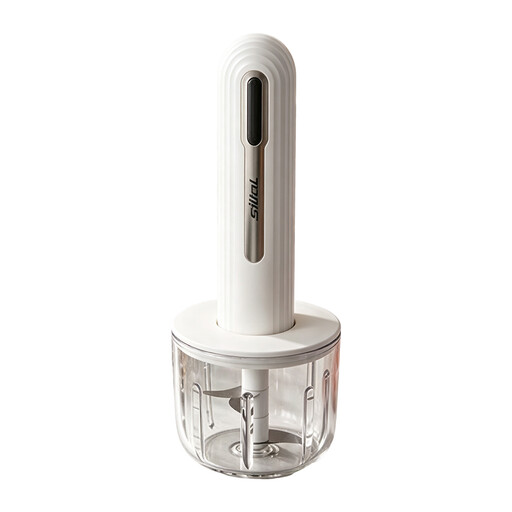 No image available
The product information lists small portions of fruit, vegetables and meat as suitable uses; separate parts should be washed by hand.
Cut ingredients into small pieces and avoid overfilling. Not suitable for bones, ice or hot ingredients.
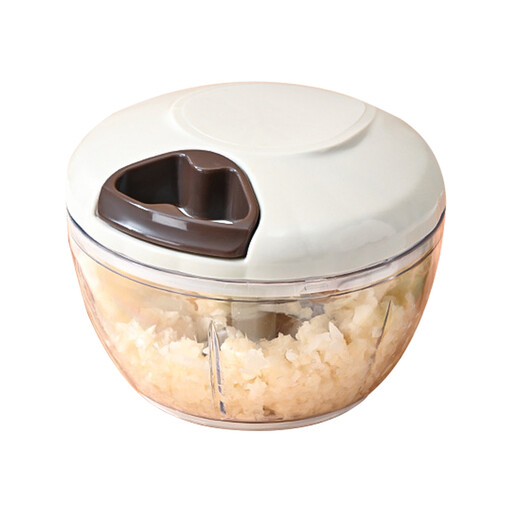 No image available
Chop by hand by pulling the cord, without needing a plug socket. The bowl has a capacity of 500 ml.
The product information lists chopping and puréeing; separate parts should be washed by hand.
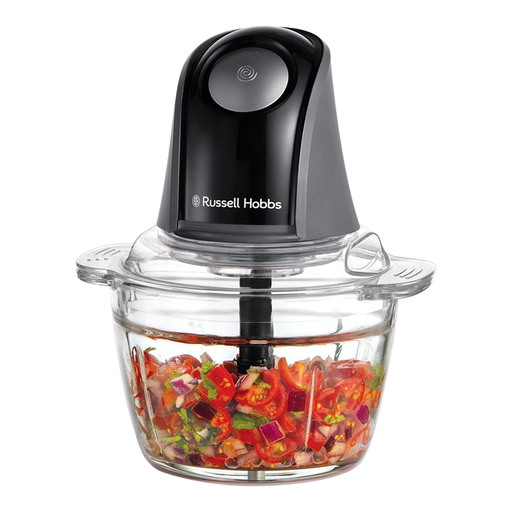 No image available
The stated filling capacity is 500 ml. The product information lists a glass bowl and dishwasher-safe parts.
It has a power rating of 200 W; this figure alone doesn’t tell you how well it will handle a small batch of tapenade.
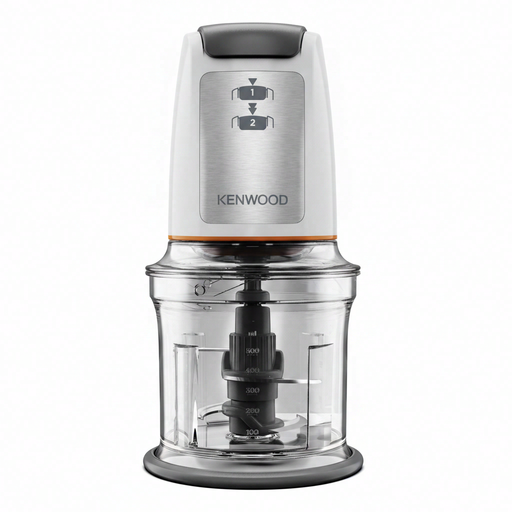 No image available
The bowl has a capacity of 500 ml and a filling capacity of 225 g. The product information lists two speeds and four blades.
Run the appliance for no more than 30 seconds at a time, then let it cool for 2 minutes.
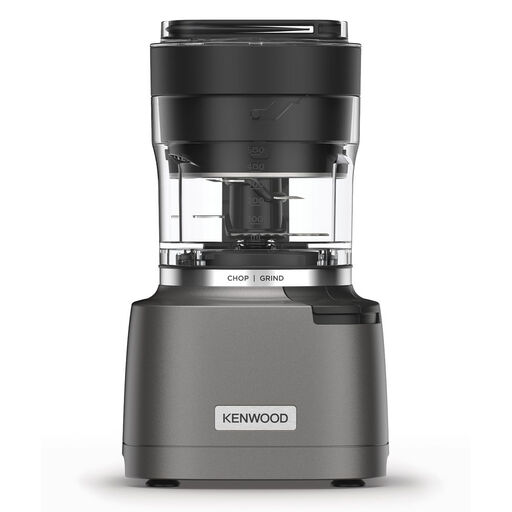 No image available
The chopping bowl has a capacity of 500 ml, and the appliance also comes with a separate grinding cup. The product information lists a Quadblade system.
According to the product information, the chopping bowl, blades and lids are dishwasher-safe; the parts can be stored inside the appliance.
Not necessarily: if you mainly want to chop, compare standalone mini choppers too. Only choose a food processor with slicing and grating functions if you’ll use them as well. A model’s specifications can’t tell you how well it will handle your portion size.
Check the manual to see which separate parts are dishwasher-safe, and clean any parts that come into contact with food after use. Use a clean spoon when serving stored tapenade. The Netherlands Nutrition Centre advises keeping opened olive tapenade in the fridge for 4 days; this isn’t a specific shelf-life test for your homemade recipe.
No, your purchase is already covered by statutory guarantees. According to the Dutch Government, the retailer must provide a solution if a product is faulty. An extended warranty may be worthwhile if its terms offer additional rights.
For a standard online product purchase, you generally have a statutory cooling-off period of up to 14 days after delivery, according to ACM ConsuWijzer. Check the applicable exceptions and returns policy before you order.
The Netherlands Food and Consumer Product Safety Authority states that CE marking is compulsory for electrical products. Check the marking and documentation for the exact electric model you’re considering; this general rule doesn’t confirm that a specific product on offer complies.