
Small-batch baker
You make jam biscuits now and then and want to know which supplied attachment can mix your dough briefly. Check the maximum dough capacity, not just the bowl size.


For small batches of jam biscuit dough, a food processor is a sensible option if the manufacturer says the supplied attachment can be used to make dough and your recipe falls within the stated quantity and processing time. In a shared kitchen, also consider storage space and cleaning; according to the Consumentenbond, a stand mixer is generally better suited if you mainly want to knead heavy dough for a long time.
You make jam biscuits now and then and want to know which supplied attachment can mix your dough briefly. Check the maximum dough capacity, not just the bowl size.
You share the worktop and cupboards, and want to know in advance whether there’s room to store both the appliance and its accessories.
After baking, you want to be able to clean the parts you’ve used properly and leave the worktop tidy for your housemates.
| What to consider | What to look for | Who should pay particular attention? |
|---|---|---|
| Suitable for your dough | Check the supplied blade or dough tool, the dough-making instructions and the maximum quantity, using the same weight measurement as your recipe. | If I want to know whether I can make my own biscuit dough in one go, I check the instructions and limit for the exact model. Around 36% of consumers prioritise whether it’s suitable for their own dough. |
| Storage space | Compare the appliance’s height, width and depth with the space available, and consider where you can store the separate attachments. | In a shared kitchen, I want to be able to put away the appliance and its accessories without occupying the shared worktop for long. Around 29% of consumers prioritise having suitable storage space. |
| Cleaning after use | Check the cleaning instructions for each part and which parts the manufacturer says are dishwasher-safe. | If I share a kitchen with others, I want to know how many parts I’ll need to clean after baking and how to clean them according to the manufacturer. Around 21% of consumers prioritise easy cleaning. |
| Other cooking tasks | Compare the supplied slicing and grating attachments only with tasks you actually do, and think about where you’ll store them. | If you want to do more than just make biscuit dough, you can take the supplied attachments into account. Around 14% of consumers consider versatility the most important factor. |
A 2.3-litre bowl doesn’t tell you how much dough the appliance can process at most. For the MCM3501M, Bosch lists a separate maximum dough capacity of 0.8 kg alongside the bowl capacity.
Weigh the full recipe and compare it with the dough limit for the exact model.
If your recipe exceeds the limit, you may need to process the dough in several batches.
The instructions for the Kenwood MultiPro Go FDP22 warn against processing for more than 30 seconds to prevent the motor from overheating. The Consumentenbond distinguishes between short, light dough preparation and prolonged kneading of heavy dough.
Choose the type of appliance to suit the dough you make, and follow the instructions for the exact model.
The bowl, lid and separate attachments also need storage space. Magimix lists a storage box for the Mini Plus; versions and attachments vary by model.
Measure the space you have for the complete set in advance and check how the parts can be stored.
Separate accessories or a storage box may take up extra room in a shared cupboard.
Magimix says the compact Mini Plus can be used to make shortcrust pastry with its metal blade.
Bosch lists a dough tool for the MultiTalent 3 MCM3501M, alongside attachments for other preparations.
Kenwood describes the MultiPro Go FDP22 as a space-saving option and lists a dough hook for the MultiPro Compact FDM301SS.
This selection includes food processors and stand mixers for anyone weighing up dough preparation, available storage space and tidying up in a shared kitchen.
 No image available
An option to compare if you’re looking for an appliance described as a dough mixer as well as one for food processor tasks. Choose according to your recipe and the space you have.
The product name lists a 4.5 L stainless steel bowl, 1300 W and 6+P speed settings.
 No image available
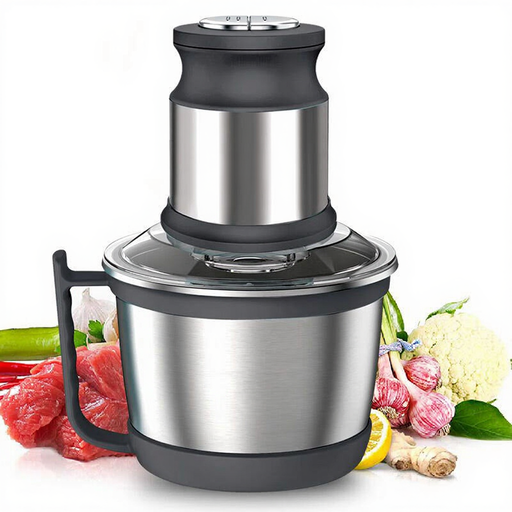
This could suit you if you’re considering a food processor with a stated bowl capacity. For your recipe, also check the dough instructions and where you’ll keep the accessories.
The product name lists 750 W and a 1.8 L bowl. Check the cleaning instructions for each part before use.
 No image available
Compare this food processor with your dough recipe and check which preparations the supplied tools are designed for, according to the instructions.
The product name lists a capacity of 3 L. The product information warns that the blades are sharp and limits continuous blending to 60 seconds per cycle.
 No image available
A food processor to compare if you’re weighing up storage space and dough preparation; check the model-specific instructions to see whether the tool is suitable for your recipe.
The product name lists 800 W and a 2.3 L bowl.
 No image available
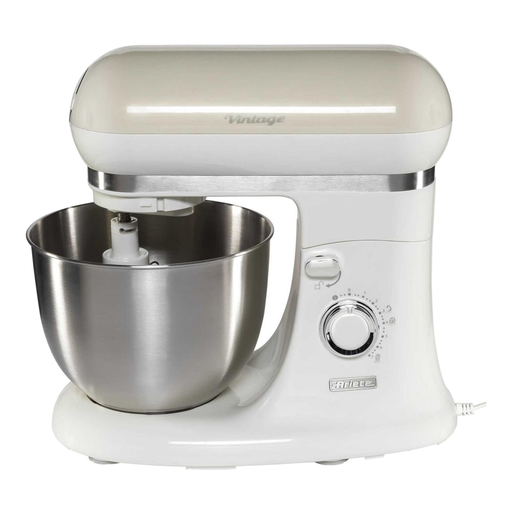
A stand mixer to compare if kneading matters more to you than having a compact food processor; consider how much storage space it will need in your shared kitchen.
The product name lists a 5 L stainless steel mixing bowl, 1000 W and planetary mixing action.
No. Check the dough limit and attachment for the exact model too. For example, Bosch lists both a 2.3-litre bowl and a separate maximum dough capacity of 0.8 kg for the MCM3501M.
Follow the model-specific instructions for attachments, processing times and cleaning. After use, clean your hands, the worktop and the kitchen utensils you’ve used. Don’t eat raw biscuit dough without taking precautions: the Voedingscentrum warns that raw eggs and flour can contain harmful bacteria.
Not automatically. In the Netherlands, you have statutory rights if a product isn’t as it should be, and the retailer is your point of contact if there’s a problem. According to the Rijksoverheid, there is no fixed statutory warranty period. Before buying an extended warranty, read what additional rights it actually gives you.
Electrical equipment covered by the EU Low Voltage Directive must meet conformity and CE marking requirements. The European Commission explains that the CE mark is a declaration by the manufacturer, not a certificate of approval from a central EU body. Check the marking and safety information for the specific product.