
Vandaag of morgen in huis

Kwaliteit gegarandeerd

Welkomstaanbiedingen ontgrendelen: GRATIS bezorging | Tot 80% korting | Gratis 30 dagen JoyPlus-proefperiode
Download de app
A food processor can take much of the preparation work off your hands, but not every appliance is designed for the same tasks. A compact food processor is useful for vegetables, sauces and dips. A multifunctional food processor can also knead and whisk. A multicooker, on the other hand, focuses on automatic cooking, stewing, steaming or air frying.
The biggest mistake is choosing an appliance based on the number of functions listed on the packaging. Instead, focus on the functions you will actually use, the bowl capacity and how the accessories are stored and cleaned.
A product may be described as “multifunctional”, even though only a few accessories are included. So check whether an S-blade, slicing disc, grating disc, dough hook, whisk, blender jug or citrus press is actually included in the box.
A food processor for chopping and slicing does not automatically have a blending function. Conversely, a blender is generally not suitable for grating or processing dough. Also check whether replacement accessories are available if you want to expand your setup later.
The stated bowl capacity is not always the same as the usable capacity. For example, a 3.4-litre bowl may have a maximum capacity of 2.4 litres for dry or liquid ingredients. This difference is important for families.
The same applies to multicookers. A 5-litre pot provides room for family meals, but the practical filling level may be lower because of safety margins and the type of dish. When pressure cooking, you must also follow the instructions for the maximum fill line.
An appliance with lots of parts can save time while cooking, but create extra work afterwards. Check whether the removable parts are dishwasher-safe, whether food gets trapped between seals and whether the blades can be removed from the bowl safely.
With a multicooker that includes an air fryer, also pay attention to the extra lid, basket and inner pot. A food processor that is difficult to clean will be used less often in practice.
The wattage indicates the motor’s power consumption, but it does not by itself show how much food an appliance can handle. The gearing, blade design and operating time also play a role.
For everyday chopping, grating and mixing, 650 to 900 watts may be sufficient. If you regularly process bread dough or prepare larger quantities, consider a model with, for example, 1,000 to 1,300 watts. Also check the number of speeds and whether there is a pulse function. A pulse setting is practical for short, controlled processing.
Measure the space on your worktop as well as the available cupboard space. A compact food processor is convenient in a smaller kitchen, but a 1.3-litre bowl is less suitable for large portions.
Pay attention to the following details:
A food processor is primarily designed for chopping, slicing, grating, mixing and sometimes kneading or juicing. A food processor with a blender is suitable if you also want to make smoothies, soups or sauces.
A food processor with juicer or citrus press may be appealing to households that regularly prepare juice. However, check which type of juicer is included; a citrus press works differently from a slow juicer.
A multicooker takes over a different part of the cooking process. Models such as a multicooker with an air fryer can combine pressure cooking, steaming, slow cooking and crisping, for example. According to Tefal’s own information, the Turbo Cuisine & Fry can be used with an app and more than 150 recipes; treat this as a stated feature, not a guarantee of a particular cooking result.

Why it suits this profile: This model offers a straightforward basis for chopping, mixing, slicing and grating, without the bulk of a large food processor.
The specifications clearly state 800 watts, a 2.3-litre bowl and two speeds plus pulse. This makes it clear what you are getting.
Compact design, 2.3-litre bowl and functions for chopping, mixing, slicing and grating.
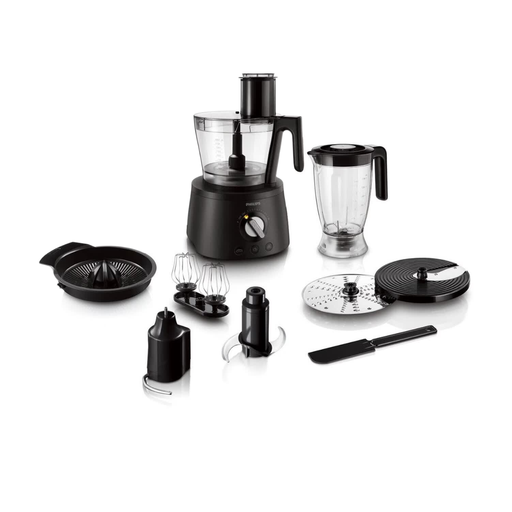
Why it suits this profile: For anyone looking for a single food processor for larger quantities, dough, whipped cream, chopping, slicing and citrus pressing.
The product information states a 3.4-litre bowl, a maximum flour capacity of 1,000 grams and dishwasher-safe accessories.
1,300 watts, 12 speeds plus pulse, and an included dough hook, whisk, blades and citrus press.
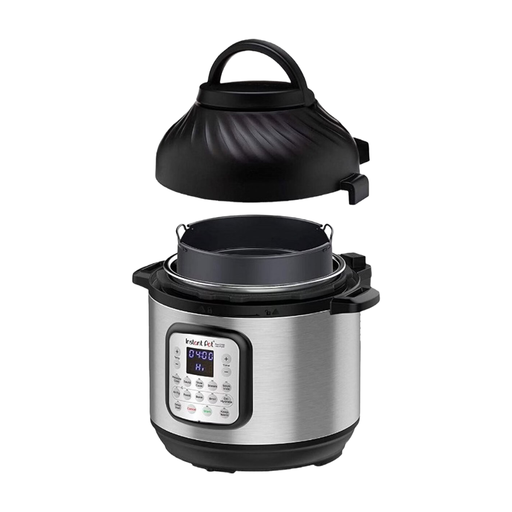
Why it suits this profile: This is a good choice for households that mainly want to cook automatically and are also looking for an air fryer function.
The functions are clearly divided between two lids: six cooking functions for moist cooking and five functions for crisping.
7.6-litre capacity, 11 functions and a ceramic-coated air fryer basket according to the product description.
We have put together a complete, up-to-date list of products that fully meet these strict selection criteria and the applicable European safety regulations.
Read the instructions before use and check that the bowl and lid are correctly locked in place. When using a food processor, always use the supplied pusher and never put your fingers into the feed tube. Blades and grating discs are sharp; unplug the appliance before removing any parts.
Never force open the lid of a multicooker with a pressure function. Release the pressure first, following the instructions. Never immerse the motor base of any appliance in water.
Not quite. A food processor is generally designed for chopping, slicing, grating and mixing. The term kitchen machine is used more broadly and may also include a dough hook, whisk, blender or cooking function. Always check the included accessories and technical specifications.
For light everyday tasks, 650 to 800 watts may be suitable. For larger quantities, dough or more intensive use, 900 watts or more is worth considering. Wattage alone does not predict the end result; capacity, accessories and the recommended operating time are also important.
Power consumption depends on the wattage and operating time. An 800-watt appliance running for ten minutes theoretically uses around 0.13 kWh. In practice, consumption is often lower when the motor is not running continuously at maximum power. With multicookers, the programme, temperature and cooking time play a greater role. So consider your own cooking routine rather than looking only at the wattage.
