
Bakers making small batches of cheese biscuits
You want to know whether the blade can briefly mix a small amount of butter, flour and cheese into dough. A recipe from Laura’s Bakery uses 100 g of each ingredient.


A food processor is a sensible choice if the manufacturer says it can mix shortcrust pastry using the blade or dough tool supplied. Then compare the processing capacity with your recipe, rather than looking only at the bowl’s total capacity. A compact model may suit small batches and limited storage space, while a larger bowl or extra grating disc could come in handy for other kitchen tasks. If your recipe mainly involves creaming butter or kneading for a long time, a mixer or mixing by hand may be a better fit.
You want to know whether the blade can briefly mix a small amount of butter, flour and cheese into dough. A recipe from Laura’s Bakery uses 100 g of each ingredient.
You’re looking for an appliance you can put away without giving up on making dough. Compare its dimensions and processing capacity; Magimix lists these for the Mini Plus alongside the bowl’s total capacity.
As well as mixing dough, you want to be able to grate cheese or slice ingredients. Check which discs come with each version, as accessories can vary within the same product range.
Start with the documented dough function and processing capacity, then weigh up storage space, extra features and cleaning.
Best for: anyone who wants to mix small batches briefly and use the appliance for other food preparation too.
Bear in mind: the manufacturer’s instructions for other types of dough don’t prove how the same appliance will handle cheese biscuit dough.
Best for: anyone with limited storage space who regularly wants to slice or grate ingredients as well as mix dough.
Bear in mind: Kenwood’s dough example uses 250 g of flour and 150 g of water, with a maximum processing time of 30 seconds to prevent overheating.
Best for: anyone who expects to make larger quantities and tackle a range of kitchen tasks, as well as small batches of baking.
Bear in mind: a higher stated dough capacity doesn’t guarantee that the blade will handle a very small batch well.
Best for: a mini chopper if chopping is your priority; a mixer or mixing by hand if the butter needs to be creamed first.
Bear in mind: a chopping or puréeing blade on its own doesn’t confirm that the appliance is suitable for dough.
| What to consider | What to look for | Who should consider this? |
|---|---|---|
| Dough function and batch size | Check which blade or dough tool is recommended, the processing capacity and any time limit. A recipe from Laura’s Bakery uses 100 g each of butter, cheese and flour; don’t convert millilitres to grams without further information. | I want the appliance to mix a small quantity of ingredients into dough briefly, without relying on the bowl’s capacity alone. Around 40% of consumers put the dough function and batch size first. |
| Size and storage space | Measure the available space and compare the appliance’s dimensions with both the bowl’s total capacity and its processing capacity. | If I have limited cupboard or worktop space, a compact appliance matters more than extra bowl capacity. Around 30% of consumers prioritise size and storage space. |
| Grating and slicing | Check the accessories list for the exact model number and make sure the grating disc you want is included. | I also want to grate cheese or slice ingredients, so one appliance can handle more of my food preparation. Around 20% of consumers name these extra features as their top buying priority. |
| Cleaning and accessories | Check the cleaning instructions for each part, which accessories are included and what warranty terms apply, alongside your rights when buying from a retailer. | For a small baking session, I don’t want to clean or store more parts than necessary. Around 10% of consumers prioritise easy maintenance and fewer loose parts. |
The bowl’s total capacity and the amount the appliance can process are two different measurements. For the Mini Plus, Magimix lists a total capacity of 1,7 l and a processing capacity of 600 ml; Bosch gives the MCM3501M’s maximum dough capacity in kilograms.
Compare the quantity of ingredients in your recipe with the model specification using the same units. Don’t convert millilitres to grams without additional information.
If your batch exceeds the processing capacity, you may need to make the dough in several batches.
A chopping or puréeing function doesn’t confirm that a model can process dough. KitchenAid describes the 5KFC3516EER as suitable for chopping and puréeing, but its documented functions alone don’t tell you whether it’s right for your dough.
Choose a model for dough as its main task only if the instructions for the exact model cover the type of dough you want to make. Otherwise, follow a recipe that calls for a mixer or mixing by hand.
Kenwood’s specification for the FDP22.140GY lists two discs; don’t assume the FDP22.130GY comes with the same accessories.
Check the full model number and the accessories list for the version on offer before relying on a particular grating or slicing disc.
If the version doesn’t include the disc you want, check whether you need a compatible attachment and whether it’s available for that version.
Worth considering if you’re looking for a compact food processor with manufacturer-documented dough preparation.
Worth considering if compact storage and the ability to slice or grate matter as much as mixing dough from time to time.
Worth considering if you want a larger bowl and several food preparation functions, as well as the option to make small batches of baked goods.
A point of reference if you want to chop or purée in a small bowl; check separately whether it’s suitable for dough.
This selection includes food processors and a stand mixer with a specified dough tool. Compare the listed features and accessories with your recipe and the tasks you want the appliance to handle.
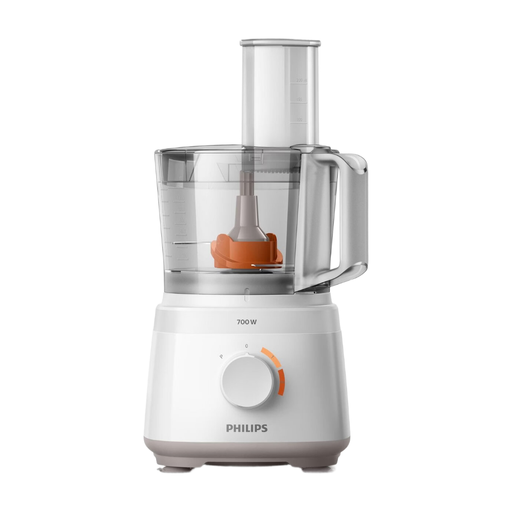 No image available
The product description lists a dough tool for pastry; check the manual to make sure it’s suitable for your recipe and batch size.
The listed features include a 1,5 l bowl, 700 W, 19 functions and overheating protection.
 No image available
The product description lists kneading as well as grating and slicing, which is useful if you want to tackle other food preparation tasks as well as making dough.
The listed features include a 1,3 l bowl and seven speed settings; a grating and slicing disc and Express Serve are also mentioned.
 No image available
Kenwood’s FDP22 guide describes making dough with the blade; check the instructions for your recipe and the exact version.
The product description lists a 1,3 l bowl, a chopping blade and a reversible grating and slicing disc. Kenwood’s example, using 250 g of flour and 150 g of water, specifies a maximum processing time of 30 seconds to prevent overheating.
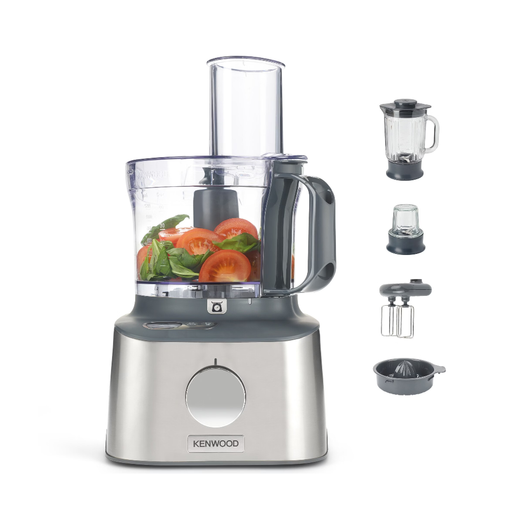 No image available
The product description lists kneading as well as chopping, grating and slicing; compare the included accessories with the tasks you want to tackle.
The listed features include a 2,1 l bowl, two speeds and a pulse function. The removable parts are described as dishwasher-safe; check the manual for each part.
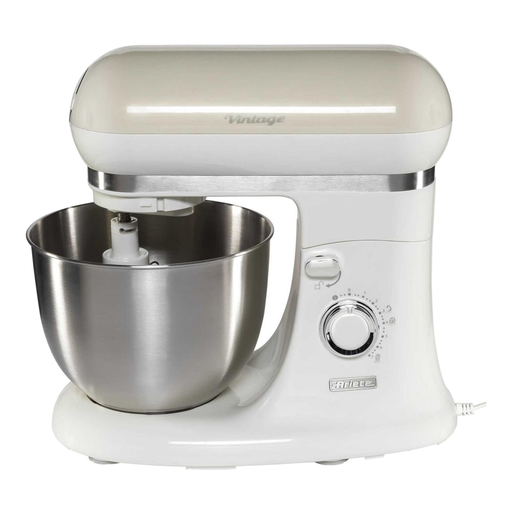 No image available
The product description lists a dough tool; check whether its capacity and instructions are suitable for the small batch you want to make.
The title lists a 5 l mixing bowl, 1000 W and planetary mixing action. The product description also mentions a mixing tool and whisk.
No. The bowl’s total capacity and the processing capacity are two different measurements. For the Mini Plus, Magimix lists a total capacity of 1,7 l and a processing capacity of 600 ml; for the MCM3501M, Bosch lists a maximum dough capacity of 0,8 kg alongside a bowl capacity of 2,3 l. Compare the correct specification for the exact model with your recipe.
Follow the instructions for your model and recipe. For shortcrust pastry in the Mini Plus, Magimix specifies the metal blade. For its FDP22 dough example, Kenwood specifies the blade and a maximum processing time of 30 seconds to prevent overheating; don’t automatically apply that quantity or time to cheese biscuit dough.
No. According to ACM ConsuWijzer, your statutory rights exist alongside a retailer’s or manufacturer’s warranty. If a product doesn’t perform as you could reasonably expect with normal use, the retailer is responsible for providing a solution; this doesn’t mean every food processor has a fixed warranty period of exactly two years.
The Netherlands Food and Consumer Product Safety Authority states that electrical products must carry the CE marking. Materials that come into contact with food must meet the relevant Dutch and European requirements. A marking on its own doesn’t prove how well a particular model mixes dough.