
Baker making several batches
You want to mix the dough for a school sale in repeatable batches. So, check the stated dough limit for the exact appliance, not just the bowl capacity.


Choose a food processor only if the manual for the exact model allows you to mix light dough and its dough limit suits the quantity you plan to make. If you also want to grate your own cheese, check whether a suitable grating disc is included. For larger quantities or prolonged kneading, a stand mixer may be a better fit, while you can mix a small amount by hand.
You want to mix the dough for a school sale in repeatable batches. So, check the stated dough limit for the exact appliance, not just the bowl capacity.
You want to use the same appliance to grate cheese and mix dough. Check that your chosen model includes both a suitable grating disc and a dough tool.
You may want to keep using the appliance after the sale, so consider how much space the machine and separate attachments will take up, and how many parts you’ll need to clean.
First, compare the dough limit with the quantity in your own recipe per batch. Then consider which attachments you actually need and how many parts you’ll have to clean after mixing.
| What to consider | What should you check? | Who is this important for? |
|---|---|---|
| Mixing dough | Check whether the manual allows you to mix light dough and which dough tool is supplied with the exact model. | I want the machine to handle the dough in my recipe without prolonged kneading. Around 26% of consumers consider dough suitability their main priority. |
| Batch size | Weigh the dough in your recipe and compare the quantity with the model-specific dough limit; bowl capacity is not a substitute. | If I’m making several batches, I want to know how much dough is allowed per mixing cycle. Around 26% of consumers prioritise the quantity per batch. |
| Cleaning | Check which parts are removable and the cleaning instructions for the bowl, blade and disc. | I want to be able to clean the parts thoroughly between preparations. Around 21% of consumers name cleaning as their main buying priority. |
| Grating cheese | Check whether the box for the exact model includes a suitable grating disc, as well as the dough tool. | If I grate my own cheese, I want to do that with the same appliance. Around 16% of consumers put grating cheese at the top of their list. |
| Space and use | Measure the available cupboard or worktop space and consider whether you’ll use the appliance regularly after the school sale. | I want to avoid a machine and its attachments taking up space unused. Around 11% of consumers give cost and storage space the highest priority. |
For example, a 2,3 l bowl does not mean you can mix 2,3 kg of dough. Bosch lists both a 2,3 l bowl capacity and a maximum dough weight of 0,8 kg for the MCM3501M. Always compare the dough limit for the exact model with the quantity in your own recipe.
Bowl capacity and maximum dough weight are different specifications. If you confuse the two, you could plan a batch that exceeds the stated limit.
Weigh the dough in your recipe and compare it with the dough limit for the exact model.
You can also mix cheese biscuit dough by hand. A food processor makes most sense if you’ll use its other functions after the school sale too.
Decide in advance whether you also want to grate cheese or need other functions besides mixing dough.
Dough tools and grating discs vary by model. A machine with a dough blade doesn’t automatically include a suitable disc for grating cheese.
Check the full model code and the listed box contents before ordering.
The MultiTalent 3 MCM3501M is a useful model to compare if you want to factor a stated dough limit into your batch planning.
According to Kenwood, the MultiPro Express Weigh+ FDM71.450SS combines weighing in the bowl with a dough tool and slicing and grating discs.
The 5KFP1319EBM model is worth considering if you’re looking for a larger bowl, a dough blade and an included grating disc.
The CS 4200 XL is a useful model to compare if you want to consider having several bowls and the availability of spare parts.
These product picks are suited to mixing or kneading dough. Before choosing, check the dough limit, included attachments and available space for each model.
 No image available
A food processor option if you’re looking for a compact appliance for mixing and preparing dough; check the manual to see how much dough this model can process at a time.
The product name lists 800 W and a 2,3 l bowl. Bowl capacity is not a dough limit.
 No image available
A dough-focused option if you want to factor the stated dough capacity into your batch planning. Check whether the manual says the machine is suitable for your recipe.
The product name lists a capacity of 5L and a maximum dough weight of 2,5 kg. Stick to the stated dough limit for each kneading cycle.
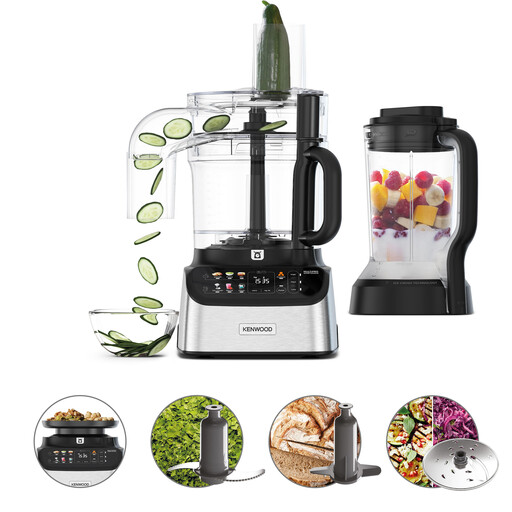 No image available
An option to compare if you’re looking for a food processor to prepare dough. Check which attachments are included with this exact model and what dough limit applies.
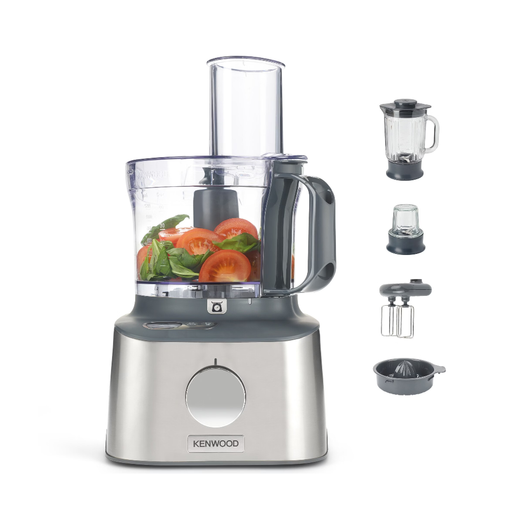 No image available
A compact food processor to compare if you want to prepare dough. Check the manual for the permitted dough quantity and cleaning instructions for the parts.
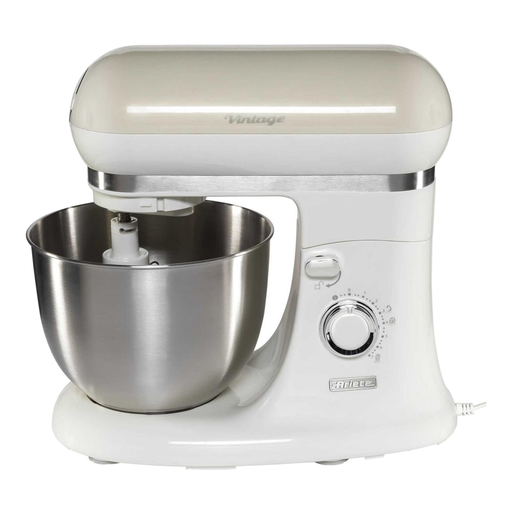 No image available
A stand mixer to compare if you’re mainly looking for an appliance for baking. Before buying, check that the model includes the dough tool you need for your recipe.
The product name lists a power rating of 1000 W, a 5 l stainless steel bowl and planetary mixing action.
No. Bowl capacity and the permitted dough weight are different specifications. Bosch lists a 2,3 l bowl and a separate maximum dough weight of 0,8 kg for the MCM3501M. Compare the dough weight in your recipe with the limit for the exact model.
Mix and clean the appliance according to its instructions, and keep raw and prepared food separate. The Netherlands Nutrition Centre advises against eating raw biscuit dough because flour can also contain harmful bacteria.
Check the manual to see which parts are removable and how to clean the bowl, blade and discs. Keep food-preparation equipment clean and prevent cross-contamination, as advised by the NVWA for safe food handling.
If the sale falls under the rules for selling at a market or event, allergen information for unpackaged biscuits must be available before purchase. The NVWA stresses that consumers need this information to make a food-safe choice. So, record the ingredients you use and check for milk and any cereals containing gluten.