
Workshop leader preparing several portions
You want participants to take turns slicing cabbage. Compare the bowl capacity, feed tube and number of batches you can plan for; bowl capacity alone does not prove how much cabbage the machine can process.


Start with the slicing disc supplied: a chopping blade is no substitute for a disc that slices cabbage into strips. Then compare the portions you want to prepare per batch, the worktop and storage space available, and how much time you have to clean the parts between workshop sessions. Manufacturers list bowl capacities, but these do not tell you how much cabbage can be processed per batch.
You want participants to take turns slicing cabbage. Compare the bowl capacity, feed tube and number of batches you can plan for; bowl capacity alone does not prove how much cabbage the machine can process.
You want consistent strips for your dish, so check which slicing disc comes with the exact model and what is included in the box.
You need to fit the machine, ingredients and participants on a limited work surface. Weigh up the space needed for the appliance and loose parts against working with smaller portions.
First choose the cut you want, then check how much cabbage you plan to process per batch, how you’ll clean the parts and where you’ll store the machine and accessories.
| What to consider | What should you look for? | Who is this important for? |
|---|---|---|
| The cabbage strips you want | Check the slice thickness and whether the right slicing disc is included with the exact model. | If I need strips rather than chopped cabbage, I want to know what cut the disc produces. Around 33% of consumers prioritise the cut they want. |
| Portions per batch | Compare the stated bowl capacity and feed tube, but don’t treat the capacity in litres as a proven amount of cabbage. Check the manual for instructions on use. | When participants prepare portions in turn, I want to know how many batches to plan for. Around 27% of consumers prioritise the number of portions per batch. |
| Cleaning between batches | Check the cleaning instructions for each part; don’t assume the same dishwasher guidance applies to the whole machine. | If different participants or ingredients use the same equipment, I want to be able to include cleaning in the workshop schedule. Around 20% of consumers prioritise cleaning. |
| Worktop and storage space | Measure the available worktop space and consider where you’ll store the bowl and loose discs. | With limited worktop space, I want to be able to fit the machine and accessories, even if smaller portions mean more batches. Around 20% of consumers choose mainly according to the space available. |
Chopping and slicing are different processes. A chopping blade won’t automatically produce the cabbage strips you want.
Check the parts list for the exact model and make sure the disc you want is included; compatibility doesn’t automatically mean the disc comes in the box.
If the right disc isn’t included, you may need to buy a compatible one separately.
A stated capacity in litres doesn’t tell you how much cabbage you can process at once according to the instructions.
Plan portions using the model’s manual, and allow time to empty the bowl between batches.
According to the Consumentenbond, accessories aren’t always dishwasher-safe; plastic parts can warp if the wash temperature is too high.
Check the cleaning instructions for each part before finalising your workshop schedule.
Parts that need to be washed by hand take extra time between workshop sessions.
Bosch lists a 2.3 l bowl for the MultiTalent 3 MCM3501M. This is information from the manufacturer, not a measured cabbage capacity.
Kenwood lists a 2.1 l bowl and reversible 2 mm and 4 mm slicing and grating discs for the MultiPro Compact+ FDM316SS.
For the Dutch 5KFP1319 model, KitchenAid lists a 3.1 l bowl and an adjustable ExactSlice slicing disc.
Magimix describes the CS 3200 XL as having three bowls and lists a compatible 2 mm slicing disc.
Philips lists slicing and grating with a 2-in-1 disc for the Daily Collection HR7310/10.
These food processors are relevant for slicing or grating cabbage during a cookery workshop. The NVWA states that CE marking is mandatory for electrical products in the Netherlands; check the marking on the specific product.
 No image available
The product name mentions slicing and grating discs, which are relevant if you want to make cabbage strips; check the thickness of the cut they produce.
Stated power: 750W. Stated capacity: 1.8L; this is not a measured amount of cabbage per batch.
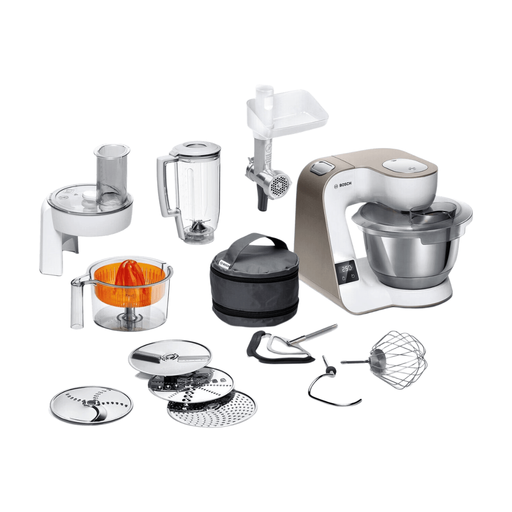 No image available
For this version, check whether the supplied disc cuts cabbage into the strips you want and whether the parts suit your cleaning routine.
Stated power: 1000W.
 No image available
The stated bowl capacity can help you compare bowl space for consecutive batches, but it doesn’t tell you how much cabbage can be processed per batch.
Stated power: 800W. Stated bowl capacity: 2.3L.
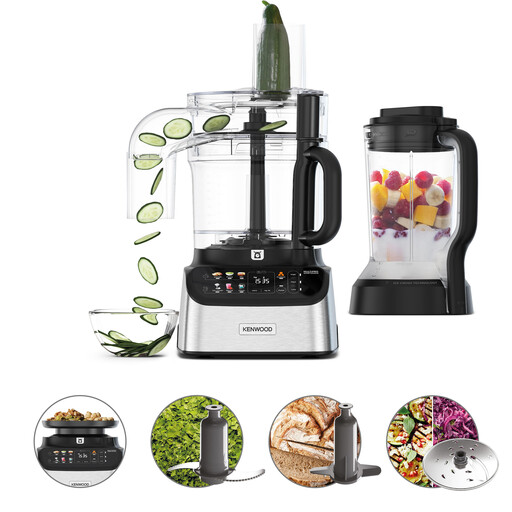 No image available
If you want to make cabbage strips, check whether the disc supplied with this version produces the cut you want and is included in the box.
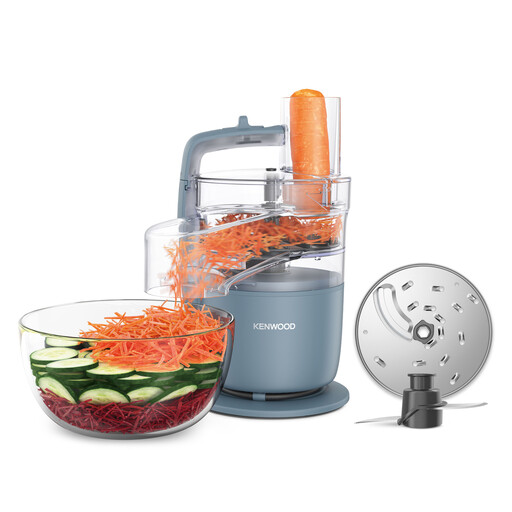 No image available
Check whether the reversible slicing and grating disc supplied with this version produces the cabbage strips you want, and follow the instructions when processing.
The blades and disc are sharp; use the food pusher while processing.
Check whether the food processor has a slicing disc that produces the thickness you want. The Consumentenbond distinguishes slicing from chopping; also check which accessories come with the exact model.
Wash vegetables and clean your hands, chopping boards and kitchen utensils thoroughly. Follow the model’s instructions for the removable machine parts: according to the Consumentenbond, accessories aren’t always dishwasher-safe.
Not automatically. According to the Dutch government, your statutory right to a product that works properly remains in place even after a manufacturer’s or separately purchased warranty expires; if there’s a problem, contact the retailer. Compare the terms of any extra cover with those rights.
If you’re actually running a food business, the NVWA states that you need to register. Businesses that prepare, process or sell food must also follow rules for an HACCP food safety plan or hygiene code; this doesn’t automatically apply to a private workshop. The NVWA also states that CE marking is mandatory for electrical products.