
Baker with a small cupboard
You occasionally make a small batch of butter biscuit dough and need to fit the appliance and its parts into limited storage space after use.


If you make small batches and have limited cupboard space, a compact food processor is a sensible choice. For larger batches, a bigger bowl may be useful, but its capacity in litres doesn’t tell you how much butter biscuit dough it can process. Compare the dough instructions for the exact model with your recipe, and measure the appliance and any accessories you want to store.
You occasionally make a small batch of butter biscuit dough and need to fit the appliance and its parts into limited storage space after use.
You want to check in advance whether your usual quantity of dough falls within the model’s stated guidelines. Bosch specifies a maximum dough capacity of 0.8 kg for the MultiTalent 3 MCM3501M.
You want to chop, slice or grate as well as make biscuit dough, and weigh these extra functions against the parts you’ll need to store. The Consumentenbond also describes food processors as suitable for short, light doughs, and mentions stand mixers as another option for baking.
Start with the amount of dough you usually make and the cupboard space you have. Then check the instructions for making dough with the specific model, and decide which accessories you’ll actually use.
| What to consider | What should you check? | Who is this most important for? |
|---|---|---|
| Dough preparation | Check that the manual and supplied blade are suitable for your recipe and the total quantity. | If I mainly want to make butter biscuit dough, I’ll check the recommended method and batch size. Around 36% of consumers put dough processing first. |
| Cupboard space | Measure the available width, depth and height, allowing for parts that won’t fit inside the bowl. | If my cupboard space is limited, I want to know in advance whether the complete appliance will fit. Around 29% of consumers put storage first. |
| Batch size | Weigh your usual recipe and compare it with the dough instructions for the exact model variant. | For a larger batch, I want to know whether I can process it all at once according to the manual. Around 21% of consumers put batch size first. |
| Parts and cleaning | Check which accessories are included, where they can be stored and how each part should be cleaned. | If I want to wash or store as few separate parts as possible, I’ll focus on what I’ll actually use. Around 14% of consumers put maintenance and managing parts first. |
Bowl capacity and the maximum stated dough quantity describe different things. A larger bowl alone doesn’t prove that a particular recipe will fit.
Weigh your recipe and check the dough instructions for the exact model. Don’t assume that an example using water applies to butter biscuit dough.
If your recipe batch falls outside the instructions, you may need to process it in several batches.
A blender, separate bowl, discs or storage box may also need space. For example, Magimix lists a separate storage box for the Mini Plus.
Measure your cupboard and include any parts you want to store with the appliance.
A separate box or loose accessories will need extra storage space.
The Consumentenbond describes a food processor as suitable for short, light doughs, distinguishing it from the longer kneading process used with a stand mixer.
Choose based on the recipes you usually make, and check whether you’ll also use the slicing and chopping functions.
The MultiPro Go is designed for compact storage, while Kenwood says the MultiPro Compact FDM301SS comes with more accessories for different preparations.
The MultiTalent 3 MCM3501M is worth considering if a stated maximum dough capacity and storage for the parts are important to you.
The 5KFP0719EBM food processor is worth a look if you value a supplied dough blade and the option to store accessories inside the bowl.
The Mini Plus is a compact option for smaller preparations, while the CS 3200 XL comes with several bowls and a dough blade.
These product options vary in size, bowl capacity and listed functions. For each model, check whether the manual covers your butter biscuit recipe. Information about mixing or kneading doesn’t in itself confirm suitability for every type or quantity of dough.
 No image available
A compact option for small preparations if you want to mix as well as chop or grind. Check the manual to see whether it’s suitable for your dough recipe.
Bowl: 900 ml. Dimensions: 14 × 18 × 23,5 cm. The product information also mentions pulse control.
Check the recommended method for dough before trying your recipe.
 No image available
Worth considering if you’re looking for a food processor for a range of tasks. First check that the instructions suit the way you want to make butter biscuit dough.
The product information lists 750W and a 1.8 l bowl, with functions including chopping, blending and grinding.
Check which parts are included with this model variant and how to store them after use.
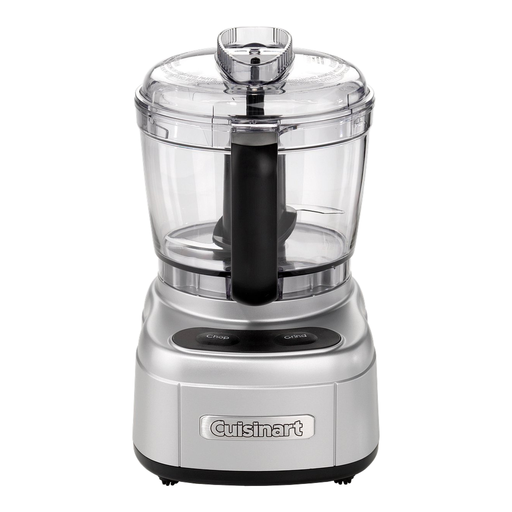
 No image available
This mini chopper is mainly suited to small chopping jobs. Don’t assume its small bowl is suitable for your biscuit dough; check the model instructions and batch size.
Bowl: 0,5 l. The product name lists 350W, and the product information mentions a removable blade.
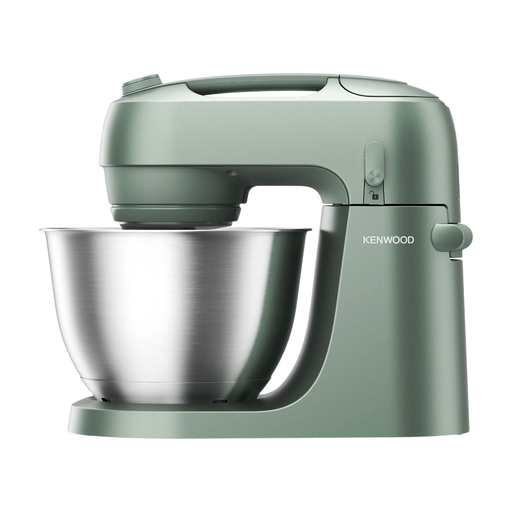
 No image available
The product description mentions kneading and additional blender functions. Before choosing this model for butter biscuit dough, check the manual for suitable dough types and quantities.
Main bowl: 1,3 l. Stated dimensions: 37,9 × 33,8 × 23,4 cm. The product description also mentions blending, slicing and grating.
If cupboard space is limited, allow for the blender parts too.
 No image available
A compact food processor to compare if storage in a small kitchen is important to you. Check this model’s instructions before making butter biscuit dough in it.
Bowl: 1,3 l. The product information lists a chopping blade, a reversible disc and cable storage.
Check which method for preparing dough is recommended for your recipe.
It depends on the model, the accessory and the quantity of dough. KitchenAid publishes a biscuit recipe in which butter and flour are mixed in a food processor using a dough blade. Check the instructions for your own appliance and recipe.
Compare the weight of your usual recipe with the dough instructions for the exact model variant. A capacity in litres doesn’t confirm how much dough the manufacturer says the appliance can process. For example, Bosch specifies a maximum dough capacity of 0.8 kg for the MCM3501M.
Measure your cupboard’s width, depth and height, and include any accessories you want to store. Check whether those parts can be stored inside the bowl or will need space elsewhere.
Voedingscentrum advises against eating raw dough, as both raw eggs and flour can contain harmful bacteria. This is particularly important for young children, pregnant women, older people and anyone with a weakened immune system.
Ondernemersplein explains that a manufacturer must apply a CE mark to an electrical appliance after it has been assessed against the applicable requirements. Check the product information for the exact model variant; a general product description alone doesn’t show whether that version meets the requirements.