
Baker with limited worktop space
Makes small batches of biscuit dough and wants the bowl and machine to take up as little room as possible between other food-preparation tasks.


For making jam biscuit dough on a small worktop, a compact food processor is suitable only if the manufacturer specifies that the exact model can handle dough and your recipe stays within its stated limits. Also check how much space the appliance and its accessories need. If you mainly want to knead for longer or work with heavier dough, the Consumers’ Association (Consumentenbond) says a stand mixer is generally a better choice.
Makes small batches of biscuit dough and wants the bowl and machine to take up as little room as possible between other food-preparation tasks.
Wants to make a full recipe in one go, so compares the permitted dough quantity with the appliance’s dimensions.
Wants to make more than just dough and considers the accessories, cleaning requirements and whether a stand mixer might be more suitable.
First, check the dough instructions and permitted operating time for the exact model. Then compare your recipe quantity with the stated dough limit, and measure up to make sure the appliance and its separate parts will fit.
| Consideration | What to look for when buying | Who should consider this? |
|---|---|---|
| Worktop and storage space | Compare the appliance’s width, depth and height, and allow space for the accessories too. | If you need room to roll out and fill the dough, you’ll need to account for the machine and its parts. Around 36% of consumers prioritise worktop and storage space. |
| Suitability for biscuit dough | Check the instructions for the exact model to find out which blade or accessory is suitable and how long you can use it for. Kenwood warns that type FDP22 should not be run for more than 30 seconds at a time. | If you want to know whether the machine can mix buttery dough, check the model-specific instructions and time limit. Around 29% of consumers prioritise dough suitability. |
| Recipe size | Compare the weight of your recipe with any stated dough limit. Litres, millilitres and kilograms are not interchangeable measures. | If you want to make the whole recipe in one go, the permitted dough quantity will determine which model is right for you. Around 21% of consumers focus mainly on batch size. |
| Versatility and maintenance | Check which parts are included with the exact model and how to clean and store them according to the instructions. | If you want to make other things too, without having to clean or store unnecessary parts, consider the accessories and maintenance requirements. Around 14% of consumers prioritise versatility and maintenance. |
Kenwood’s example for type FDP22 uses flour and water; jam biscuit dough made with butter and sugar is a different recipe. So the example does not confirm that every model can handle this type of dough.
Check the instructions for the exact model and stick to the stated quantity and processing time.
A capacity in litres or millilitres doesn’t automatically tell you how much dough the machine can process. Magimix lists a total capacity of 1.7 litres and a processing quantity of 600 ml for the Mini Plus; Bosch states a maximum dough quantity of 0.8 kg for the MCM3501M.
Weigh your recipe and compare it with the dough limit for the exact model. Don’t use the bowl capacity alone to work out the permitted dough weight.
On a small food-preparation surface, bowls, blades and discs may also need room for use, cleaning and storage.
Measure your worktop and storage space, and check which accessories are included with the model you’re considering.
The MultiPro Go is an option for short processing tasks if you’re looking for a small food processor.
The Mini Plus is a compact option if you want to consider a model with instructions for making shortcrust pastry.
The MultiTalent 3 MCM3501M is worth comparing if you want to process a larger batch of dough.
The products below are designed for mixing or dough preparation and range from food processors to dough mixers. Check the instructions for the exact model and make sure it will fit in your available worktop and storage space.
 Image unavailable
May be worth considering if you’re looking for a dough hook. The model listed has a 5 L stainless steel bowl, 600 W of power and 10 speeds.
The product name lists a dough hook, beater, whisk and splash guard.
 Image unavailable
An option to compare if you’re looking for one appliance that can prepare dough and perform other kitchen tasks.
The product name lists a 4.5 L stainless steel bowl, 1300 W of power and Speed 6+P. Check the instructions for the quantity and type of dough you want to make.
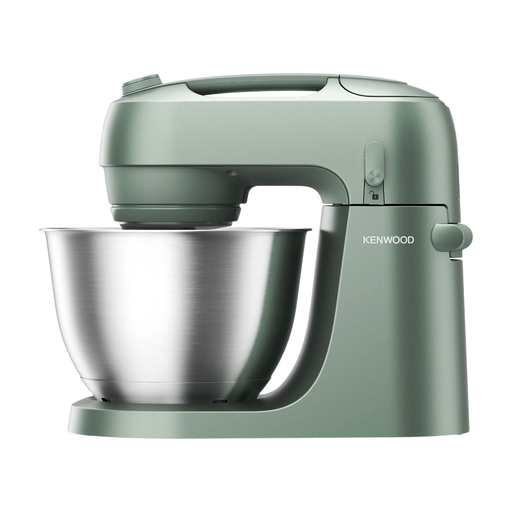 Image unavailable
The compact model may be worth considering if you’re looking for an appliance for small quantities. Check that the instructions allow you to prepare your recipe’s dough.
The product name lists a 0.5 L bowl, a 350 W motor and a removable blade. Bowl capacity is not the same as a stated dough limit.
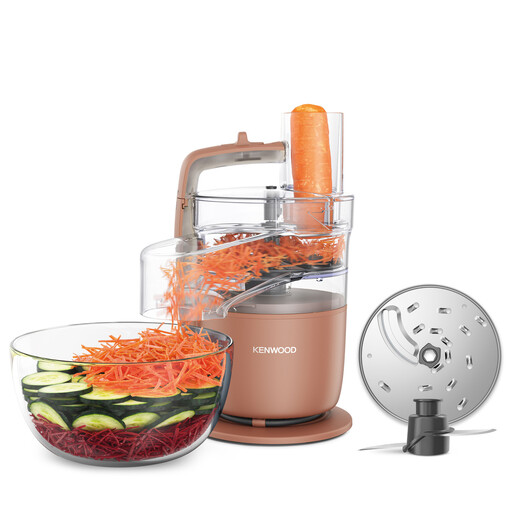 Image unavailable
May be suitable if you’re looking for a food processor for short bursts of dough processing, provided the instructions cover your recipe. Kenwood warns that type FDP22 should not be run for more than 30 seconds at a time because the motor may overheat.
The instructions don’t confirm that every type of biscuit dough is suitable, so check the permitted quantity for your recipe too.
 Image unavailable
An option if you’re looking for a kneading function alongside other food-preparation features. Before buying for a small worktop, compare the dimensions of the exact model with your available space.
No. Bowl capacity is not the same as the permitted dough weight. Compare the weight of your recipe with the dough limit for the exact model: Bosch states a maximum of 0.8 kg for the MCM3501M, while Magimix lists the total capacity and processing quantity separately for the Mini Plus.
In its shortcrust pastry recipe for the Mini Plus, Magimix specifies the metal blade. Also follow the instructions and permitted quantity for the model you’re using.
In the Netherlands, you’re entitled to a product that works properly. If there’s a problem, you should generally contact the seller first. According to the Dutch government, there is no fixed statutory two-year guarantee period; a manufacturer’s guarantee is in addition to your statutory rights.
Parts that come into contact with food must meet Dutch and European food-contact material requirements, as explained by the Netherlands Food and Consumer Product Safety Authority. An electric food processor covered by harmonised EU product rules must comply with those rules and carry the required CE marking before it is placed on the EU market. The presence of a visible marking alone does not independently prove that a specific model meets every requirement.