
Workshop host working with several batches of dough
You want to know how much dough the machine can handle at a time and whether any cooling breaks fit into your workshop schedule.


A food processor is a good fit for a workshop where you make measured batches of dough and want to use the appliance for chopping or grating too. If the workshop is mainly about mixing dough repeatedly or in larger quantities, compare a stand mixer as well. Check each model’s dough limit, the right attachment and any required breaks in use.
You want to know how much dough the machine can handle at a time and whether any cooling breaks fit into your workshop schedule.
You’re looking for the right blade or dough tool and want to adjust the process to suit each recipe, without confusing bowl capacity with dough capacity.
You want to clean bowls and attachments between participants or recipes. If you sell food, food safety and allergen rules may also apply; the NVWA sets out the requirements for sellers.
Choose this option if: you make dough in batches within the model’s limits and also want to chop or grate ingredients.
Keep in mind: the stated dough limit, the attachment supplied and any restrictions on running time and cooling.
Choose this option if: mixing for baking is the main task; Kenwood also positions stand mixers as suitable for larger quantities of biscuit dough.
Keep in mind: dough capacity and attachments vary between stand mixer models too.
| What to consider | What should you check? | Who is this important for? |
|---|---|---|
| Dough capacity and waiting time | Compare the recipe weight for each group with the model’s limit, and check the permitted running time and cooling break. Bosch states a maximum dough capacity of 0.8 kg for the MCM3100W; Kenwood states a maximum of 1 kg for the MultiPro XL Weigh+, with a maximum running time of 60 seconds and a 15-minute cooling break between batches of dough. | If I’m hosting several groups one after another, I want to know whether each portion is within the limit and whether I’ll have to wait for the machine; around 36% of consumers prioritise batch capacity and waiting time. |
| Dough tools and processing | Check which attachment is supplied with the exact model and follow the instructions for the recipe and appliance. | If I’m making different biscuit recipes, I want to use the right attachment and control the process; around 29% of consumers prioritise suitable dough tools and control over processing. |
| Cleaning between recipes | Check the cleaning instructions for each part; Bosch says that the MCM3100W’s accessories are generally dishwasher-safe. | If I’m cleaning up between participants or preparations, I want to know which parts need to be cleaned separately; around 21% of consumers prioritise a practical cleaning routine. |
| Workspace and other uses | Measure your work and storage space, then compare the stated dimensions and the functions you’ll actually use. | If my workshop table has limited space, I also want to know whether the appliance is useful for other kitchen tasks; around 14% of consumers prioritise workspace and uses beyond the workshop. |
For the exact model, also check whether the relevant EU safety and food-contact documentation is available. General requirements for electrical appliances and materials that come into contact with food do not, in themselves, confirm that a specific model complies; the Dutch government and the European Commission explain these requirements.
Bowl capacity and the maximum amount of dough are two different things. For example, Bosch lists a 2.3 l bowl and a maximum dough capacity of 0.8 kg for the MCM3100W; the Kenwood MultiPro XL Weigh+ also has running time and cooling limits.
Compare your recipe’s weight with the maximum quantity and usage instructions for the exact model, rather than relying on the bowl’s capacity in litres alone.
Differences between versions or supplied attachments may determine whether the right dough tool is included. If a part isn’t mentioned in a product description, that doesn’t automatically mean it’s missing.
Before buying, check the box contents for the exact version.
They can be designed for different tasks: Kenwood positions food processors for processing ingredients and stand mixers for baking and mixing. This is the manufacturer’s positioning, not an independent performance test.
Let the workshop’s main task guide which option you compare, and check the model-specific dough capacity and attachments for both types.
The MultiTalent 3 MCM3100W is a compact food processor with a stated dough limit that may be useful when planning batches.
The MultiPro XL Weigh+ FDM72.990SS is a food processor with a dough tool; Kenwood also offers stand mixers as a separate option for baking.
The CS 4200XL combines several bowls with a dough blade, making it a good option if you’re planning other food preparation too.
The 5KFP1319 food processor is an option if you want a dough blade alongside slicing and grating attachments.
Below are Joybuy product options for preparing dough with a food processor or stand mixer. Check which accessories and usage limits suit your workshop for each model.
 No image available
The product name describes a dough mixer/food processor; the product description mentions dough hooks for preparing dough.
Listed features: 4.5 L bowl, 1300 W, six speeds plus pulse, stainless steel bowl and beige finish.
 No image available
If you’re considering a food processor, check that its capacity and supplied parts suit your recipe and batch sizes.
Listed features: 750 W and 1.8 l. The product description mentions removable parts and dishwasher cleaning.
 No image available
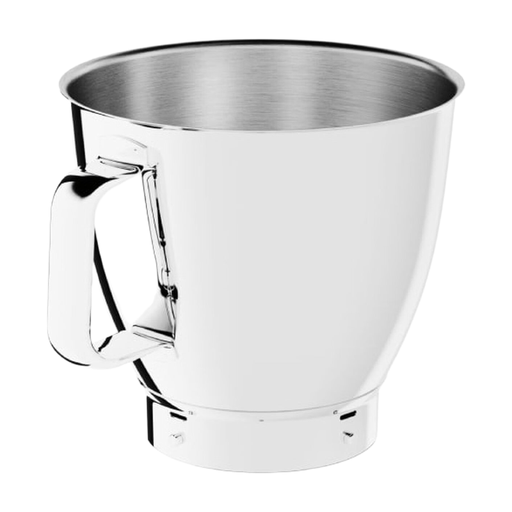
This stand mixer is worth comparing if mixing is the workshop’s main task; check that the supplied accessories are suitable for your recipe.
Listed features: 700 W motor, 4.3 l bowl, stainless steel bowl and accessories.
 No image available
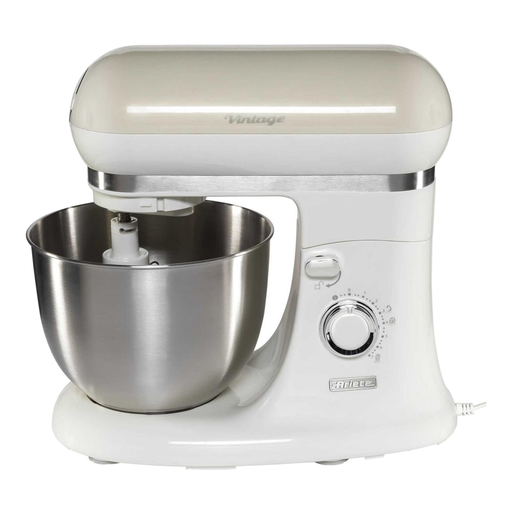
The product description mentions a dough attachment; check the instructions and batch limit for the version you choose and your recipe.
Listed features: 1000 W, 5 l bowl, stainless steel mixing bowl and planetary mixing action.
Yes, provided the recipe suits the model and you use the right dough tool. Magimix, for example, describes savoury biscuits made in a food processor with a kneading blade; for other recipes, check the instructions and dough limit for the model you choose.
First, compare the dough weight for each group with the limit for the exact model, and allow time for any breaks. Kenwood states a maximum dough capacity of 1 kg for the MultiPro XL Weigh+, a maximum running time of 60 seconds and a 15-minute cooling break between batches of dough.
The Voedingscentrum advises against eating raw biscuit dough, as raw flour can also contain harmful bacteria. Bear this in mind when planning how to run your workshop.
Electrical appliances placed on the EU market are subject to relevant safety requirements and must carry a CE marking; materials that come into contact with food are subject, among other things, to Regulation (EC) No 1935/2004. These are general requirements, not confirmation that a specific version complies. The Dutch government and the European Commission explain these rules.
According to the NVWA, food sales are subject to food safety requirements; sellers must tell customers which allergens are present. The exact requirements depend on how the workshop is run in practice.