
Preparing small workshop portions
You make dressing for each participant or table and want small quantities to reach the blade without leaving too much unused space in the bowl.


For small portions, a compact chopper with pulse or purée controls is a focused choice. For larger batches or extra slicing and grating, a food processor with a larger bowl offers a wider range of uses. Don’t just look at the stated bowl capacity: check the liquid capacity, recommended quantity per preparation and how easy it is to clean between workshop sessions. For the exact model, also ask for the relevant documentation covering electrical appliances and materials that come into contact with food.
You make dressing for each participant or table and want small quantities to reach the blade without leaving too much unused space in the bowl.
You want to adjust the texture from coarse to fine as you blend, and perhaps add liquid. Check the controls and lid on the exact model.
You use the bowl repeatedly and look for easy-to-clean parts, enough space and perhaps extra slicing functions.
Start with the amount of dressing you’ll make in each session. Then decide whether you also want to slice or grate, and finally consider the controls and cleaning.
| What to consider | What should you check? | Who is this important for? |
|---|---|---|
| Portion size and bowl | Compare the recipe volume with the bowl capacity and any separate liquid capacity. Kenwood lists 500 ml for the CHP61.100WH; for the FDP23.140GY, Kenwood gives a bowl capacity of 1.3 l and a liquid capacity of 0.75 l. These figures don’t indicate the recommended minimum quantity. | I make a small batch for each table and don’t want the ingredients to sit out of reach of the blade in an oversized bowl. Around 33% of consumers prioritise a suitable portion size. |
| Texture and blending | Check whether the exact model has a pulse setting and whether the lid lets you add liquid while blending. KitchenAid lists these features for the 5KFC3516EER; Kenwood lists a liquid opening for the CHP62.400SI. | During a demonstration, I want to adjust the texture and add liquid in a controlled way. Around 27% of consumers say controlling the dressing’s texture is their top buying priority. |
| Cleaning between sessions | Check the cleaning instructions for each part. Kenwood says the bowl, blade and lid of the CHP62.400SI are dishwasher-safe. Bosch describes its accessories as dishwasher-safe in general; check the instructions for each part. | I want to move on quickly after each session without having to guess which removable parts can go in the dishwasher. Around 20% of consumers prioritise cleaning between workshop sessions. |
| Extra food preparation tasks | Check whether slicing and grating discs are included with the exact model and whether you’ll use them. Kenwood lists these discs for the FDP23.140GY; Bosch lists slicing, grating, chopping and mixing among the functions of the MCM3501M. | I want to prepare vegetables as well as dressing, and only see the point of extra parts if I’ll actually use them during the workshop. Around 20% of consumers name extra food preparation tasks as their top buying priority. |
The bowl’s capacity doesn’t automatically tell you how much liquid it can process or whether the blade can reach a very small portion.
Compare your recipe volume with any separately stated liquid capacity, and check the manual for the recommended quantity.
An unsuitable batch size could mean extra blending rounds or the need for a second, smaller bowl.
An opening in the lid is a feature of specific models, not the whole product category.
Check the lid design of the exact model if you want to add liquid during your demonstration.
Slicing and grating discs aren’t needed for dressing alone, and they add parts that you’ll need to clean after use.
Choose accessories for tasks that are genuinely part of your workshop, and follow the cleaning instructions for each part.
The models listed range from small choppers to a food processor with slicing and grating discs.
The 5KFC3516EER is a mini chopper worth comparing if you’re interested in the controls and adding liquid while blending.
The MultiTalent 3 MCM3501M is a larger food processor for anyone combining dressing with other preparation tasks.
A MultiQuick hand blender is an alternative to consider if puréeing matters more to you than using a food processor bowl and slicing discs.
This selection mainly features compact electric choppers for small portions of dressing, as well as a food processor for dressing and other preparation tasks.
 Image unavailable
The two bowl sizes make this model worth comparing for different workshop portions. Check the manual to see what quantity is suitable for dressing.
The product name lists 2 l and 0.6 l bowls and a power rating of 300 W.
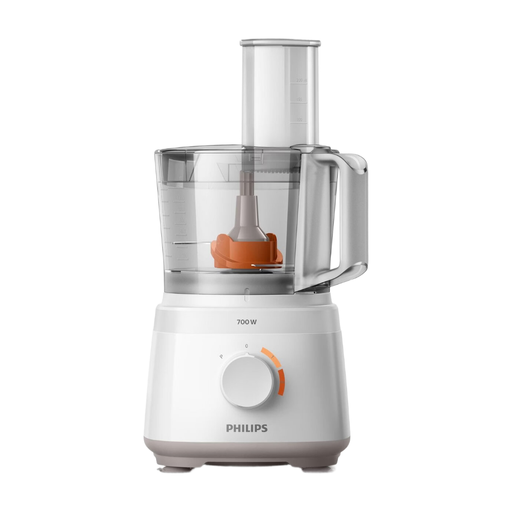 Image unavailable
An option worth comparing if you want to make dressing as well as tackle other preparation tasks. Check that the included parts suit your workshop.
The product name lists a 1.5-litre capacity, 700 W and 19 functions.
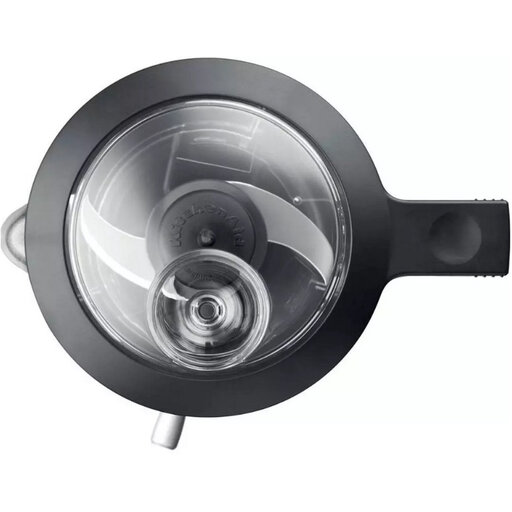 Image unavailable
A compact chopper worth comparing for smaller portions of dressing. Check whether this exact model has the pulse and liquid-addition features you want.
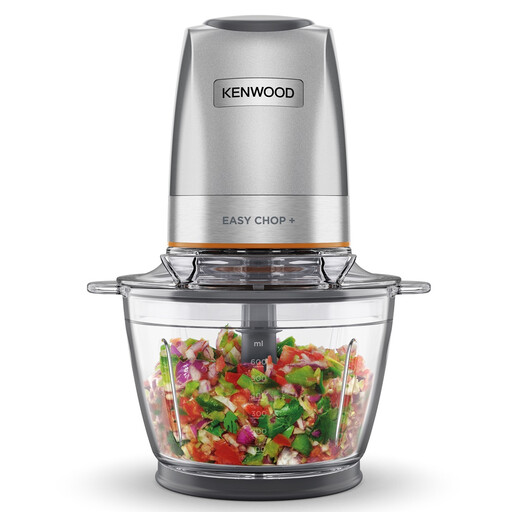 Image unavailable
The glass bowl may suit you if you’re looking for a compact chopper. Check the capacity, lid opening and cleaning instructions for this model.
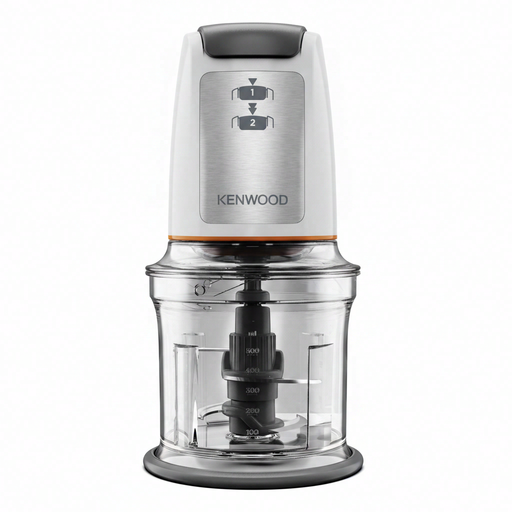 Image unavailable
A mini chopper worth comparing for small portions of dressing or dips. Bear in mind the usage restriction: use it for no more than 30 seconds at a time, then let it cool for 2 minutes.
Start with the quantity you’ll blend in each batch. The stated bowl capacity doesn’t automatically tell you how much liquid it can process or what minimum quantity will blend well. Also check any separately stated liquid capacity, and consult the manual for small portions.
Follow the manual for the exact model, and only put parts in the dishwasher if the manufacturer says they’re dishwasher-safe. For the CHP62.400SI, Kenwood lists the bowl, blade and lid; this doesn’t automatically apply to the motor unit or other models.
Business.gov.nl states that electrical appliances placed on the Dutch market must meet the relevant requirements, including CE marking and an EU declaration of conformity. The Netherlands Food and Consumer Product Safety Authority outlines the rules for materials that come into contact with food. Ask for the documentation for the exact model; these general requirements don’t confirm that a specific model complies.
Voedingscentrum advises storing prepared leftovers, well covered and separate from raw food, in the fridge within two hours. This is storage advice, not a statement about the shelf life of every recipe variation.
No. According to the Dutch government, the Netherlands doesn’t have a fixed statutory warranty period. You’re entitled to a product that works as it should, and the retailer is your point of contact if there’s a problem. Any manufacturer’s warranty is separate.