
Vandaag of morgen in huis

Kwaliteit gegarandeerd

Welkomstaanbiedingen ontgrendelen: GRATIS bezorging | Tot 80% korting | Gratis 30 dagen JoyPlus-proefperiode
Download de app
Bringing a warm, homemade meal to work or school sounds ideal. It's more budget-friendly, healthier, and often tastier. But the search for a good food thermos can be frustrating. The market is flooded with products that promise the world but often fail to deliver in practice.
As a Joybuy Product Recommendation Officer, I see the challenges consumers face every day. Before you make a purchase, it's wise to be aware of the most common pitfalls. This will help you avoid buyer's remorse and truly enjoy that warm lunch.
The 3 most common pitfalls of a food thermos:
To make a smart choice, it's important to look beyond marketing buzzwords. Pay attention to the following objective specifications to find a product that truly suits your needs.
A quality thermal food container uses double-wall vacuum insulation. The air between the inner and outer walls is removed, preventing heat (or cold) from escaping. The material of the inner wall is also important.
A leak-proof food flask is essential. Its reliability depends on the lid design. A simple snap-on lid is rarely sufficient for liquids. Look for a model with a screw-top lid and a thick silicone sealing ring. This ring creates an airtight seal that prevents liquids, like in a soup thermos, from escaping, even if the container is on its side in your bag.
Think about what you plan to carry. A food warmer for a small portion of soup requires a different size than an insulated food jar for a full stew.
Based on objective specifications, we have selected a few products that suit different needs and avoid the pitfalls mentioned earlier.
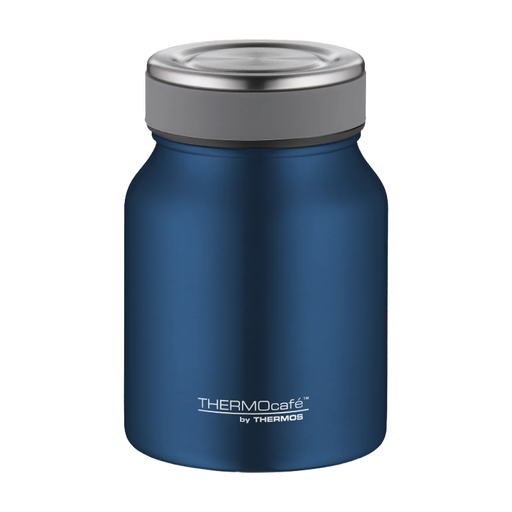
Why This Fits Their Persona: Ideal for those who bring a daily portion of soup, yoghurt, or leftovers from the previous evening. The compact 500 ml size fits easily into a work or school bag without taking up much space.
The screw-top lid with a silicone sealing ring ensures a reliable, leak-proof seal. The 6.5 cm wide mouth makes cleaning simple, avoiding the pitfall of an unhygienic product.
According to the manufacturer, the Thermax vacuum insulation keeps food hot for up to 9 hours. This model is fully dishwasher-safe, which simplifies daily maintenance.
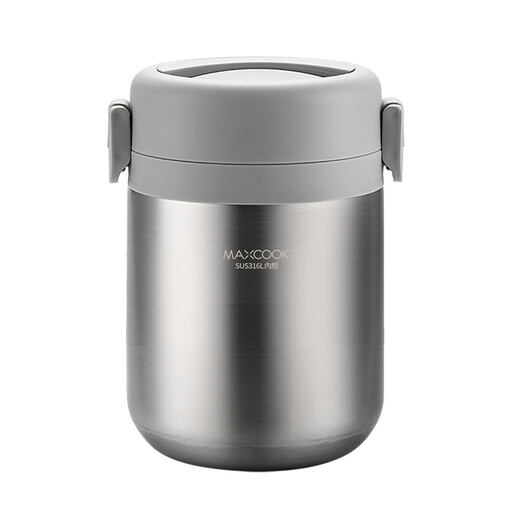
Why This Fits Their Persona: Perfect for those who want to bring a full, hot meal or are prepping food for a long day. The generous 1.5-litre capacity is suitable for stews, large salads, or meals to share.
This model is made of 316 stainless steel, an objectively superior material that is more resistant to corrosion from acids and salts. This is a tangible quality feature, not a vague marketing claim.
The extra-wide mouth makes filling, scooping, and cleaning extremely easy. The large capacity offers versatility for different types of meals.
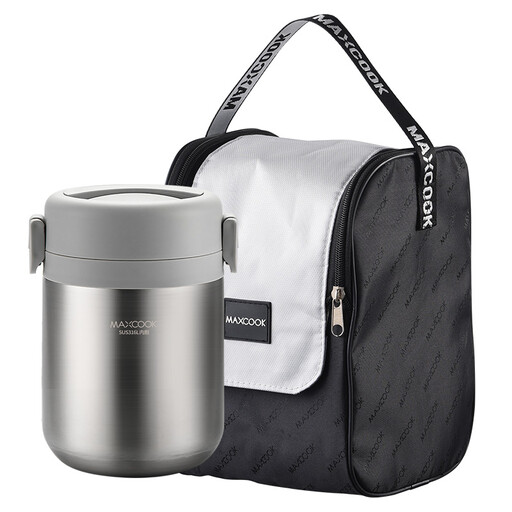
Why This Fits Their Persona: For those looking for a complete and convenient solution for a day out, a picnic, or a long workday on location. The included bag makes carrying the large jar easy and adds an extra layer of insulation.
This is a complete set that bypasses the pitfall of impracticality. You don't have to search for a suitable bag; the included insulated carrying bag is custom-designed for this model.
The combination of a large 1.5L capacity, 316 stainless steel material, and a custom-fit carrying bag offers excellent value for money for heavy use.
We have compiled a complete, up-to-date list of products that fully meet these strict selection criteria and relevant safety regulations.
For an optimal hot lunch thermos effect, it's best to pre-heat the container. Fill it with boiling water for 5-10 minutes, then pour it out just before adding your hot meal. For cold dishes, do the same with ice-cold water. This helps to stabilise the internal temperature, keeping your food at the desired temperature for longer.
Both are food-safe materials. 304 stainless steel is the most common type and is well-suited for most applications. 316 stainless steel contains molybdenum, which makes it extra resistant to corrosion from salts and acids. If you regularly carry tomato sauces, soups with vinegar, or other acidic meals, a container made of 316 stainless steel is a more durable investment.
This varies by product. Some stainless steel food containers are fully dishwasher-safe. For others, it is recommended to hand-wash the jar to protect the vacuum seal and the outer coating. Always check the manufacturer's instructions. In general, it's a safe bet to hand-wash the lid with its silicone ring to extend the life of the seal.
