
Vandaag of morgen in huis

Kwaliteit gegarandeerd

Welkomstaanbiedingen ontgrendelen: GRATIS bezorging | Tot 80% korting | Gratis 30 dagen JoyPlus-proefperiode
Download de app
Taking a warm, homemade meal to work, school, or on a day out sounds ideal. No more lukewarm lunches or the daily hunt for a microwave. A quality food flask is the solution. But the market is flooded with models that promise the world. Unfortunately, many of these promises lead to a cold meal and disappointment.
As a Joybuy Product Recommendation Officer, I see where things go wrong every day. Before you invest in a new insulated lunch box, watch out for these common pitfalls that can render your purchase useless.
To avoid a bad purchase, it's crucial to look beyond the marketing hype and focus on the specifications that truly matter. These are the three most important points to check before buying a food flask.
Stainless steel is the standard for a durable stainless steel food container, but not all stainless steel is created equal. The two most common types are:
The capacity of your insulated food container is a personal choice. Is a portion of soup (around 0.5 L) enough, or do you want to bring a full meal (1 L or more)? A larger flask generally retains heat slightly longer than a smaller one, provided it's filled properly.
Just as important is the wide mouth. This offers two major advantages:
A good lid is crucial. Look for a thick, well-fitting silicone sealing ring. This creates the vacuum seal that both prevents leaks and supports insulation. Some lids feature a pressure release valve, which is useful for very hot soups. Always check the product instructions; many manufacturers recommend transporting the flask upright to minimise the risk of leaks, even with a good seal.
Based on these objective criteria, we have selected a few products that suit different user profiles.
Why This Fits Your Persona: A solid, no-nonsense choice for anyone needing a reliable flask for work or school. The generous 1.4-litre capacity is perfect for a full meal, not just a small portion of soup.
The wide mouth tackles the cleaning problem head-on. The lid is designed for a reliable seal during normal, upright transport, reducing the risk of a soggy bag.
Made from durable 304 stainless steel with a large 1.4 L capacity for a full-sized lunch. The vacuum insulation keeps meals warm for 4–6 hours, according to the manufacturer.

Why This Fits Your Persona: Ideal for those who demand the best material quality. If you frequently pack acidic or heavily spiced dishes like curries, or use it as a flask for tomato-based soup, this model offers the best protection for flavour and durability.
Using 316 stainless steel avoids the pitfall of a metallic aftertaste that can occur when acidic foods react with lower-grade steel. This guarantees a pure taste, meal after meal.
Superior corrosion resistance thanks to 316 stainless steel. With a 1.5 L capacity and a wide mouth, it combines quality with user-friendliness.

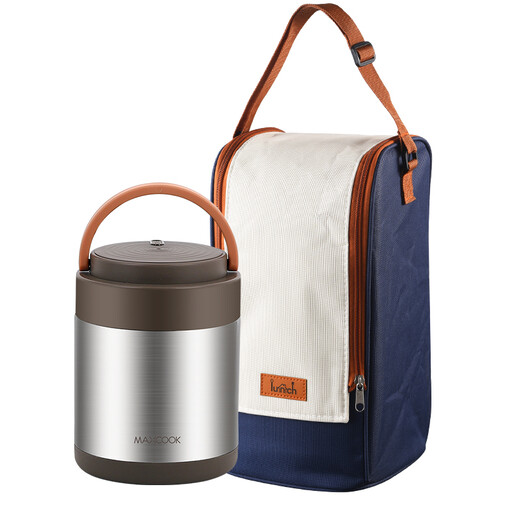
Why This Fits Your Persona: This is the all-in-one solution for those who are always on the go. The combination of a high-grade 316 stainless steel flask and a matching insulated carry bag offers maximum convenience and performance.
The included bag makes transport safer and more stable, reducing the chance of it tipping over and leaking. Furthermore, the bag adds an extra layer of insulation, helping to retain heat even better and get closer to the promised performance.
A complete set featuring a 316 stainless steel flask and an insulated carry bag. This provides extra convenience, better insulation, and safer transport.
We have compiled a complete, real-time list of products that fully satisfy these strict selection criteria and UK safety regulations.
The most effective method is 'pre-heating'. Before filling the flask with your meal, pour boiling water into it. Close the lid and let it stand for 5–10 minutes. Pour out the water and immediately fill the flask with your hot meal. This step heats the stainless steel, so the heat from your food isn't immediately used to warm up the cold inner wall.
Generally, hand-washing is recommended. The high temperatures and harsh detergents in a dishwasher can damage the vacuum seal between the inner and outer walls, causing the flask to lose its insulating properties. The silicone ring in the lid can also warp. Always consult the manufacturer's instructions, but hand-washing is the safest choice to maximise its lifespan.
304 stainless steel is the standard for kitchenware and is excellent for most applications. However, 316 stainless steel contains an additional element (molybdenum) that makes it significantly more resistant to corrosion from salts and acids. If you regularly pack meals with ingredients like tomato, vinegar, or a lot of salt, a 316 stainless steel flask will retain its neutral taste for longer, and the risk of material degradation is lower.
