
Vandaag of morgen in huis

Kwaliteit gegarandeerd

Welkomstaanbiedingen ontgrendelen: GRATIS bezorging | Tot 80% korting | Gratis 30 dagen JoyPlus-proefperiode
Download de app
A food dehydrator can be useful if you want to dry fruit, vegetables, herbs, meat or fish at home. However, simply looking at the number of drying layers or an attractive price does not automatically mean you will choose the right appliance. A small drying space, limited temperature settings or an unclear timer can mean the appliance is less suited to your cooking routine.
Joybuy Product Recommendation Officer has listed the key points to consider. This will help you assess marketing claims more effectively and choose a food dehydrator that suits your household.
A food dehydrator with several racks may seem practical, but the total drying area is just as important. Check the usable dimensions of each layer too. Thin trays may be less suitable for larger portions, while a compact housing can sometimes leave little room for fruit slices or herbs.
Also pay attention to air circulation. If warm air does not move evenly past every layer, drying times may vary between levels. An internal fan and clearly described airflow are therefore relevant specifications.
The ideal settings for drying fruit, vegetables and herbs are not always the same. A suitable temperature setting is also important when drying meat or fish. An appliance with just one fixed setting leaves little scope for adapting recipes.
Check that the temperature can be set low enough for delicate ingredients and high enough for your intended uses. A range of 35 °C to 75 °C, as found on the Rommelsbacher DA 650, offers more flexibility than an appliance with a limited number of fixed programmes. Always follow a reliable recipe and the food safety instructions for the specific ingredient.
A drying process can take several hours. Without a long timer, you may need to reset the appliance during the process. Automatic shut-off also helps prevent the appliance from running unnecessarily.
Consider the materials and cleaning requirements too. Stainless steel can be practical for the housing, while BPA-free drying trays are a verifiable product specification. Before buying, check whether the trays are removable and which parts the manufacturer says must be cleaned by hand.
Use this checklist when comparing a food dehydrator for fruit and vegetables:
If your aim is to make healthy snacks, you can prepare dried fruit without unnecessary additives. Do pay attention to the ingredients you use beforehand, though. Not all dried fruit sold in shops is unsweetened, and not every food dehydrator removes moisture at the same speed.

Why it suits this profile: With 7 drying layers, an adjustable temperature and a long timer, this appliance is suitable for beginners who want to try drying a range of ingredients.
The specifications state not only the number of layers, but also a drying area of 0.5 m², a 99-hour timer and automatic shut-off.
Stainless-steel housing, LCD controls with touch sensors, a temperature range of 35 °C to 75 °C and one smaller drying tray.
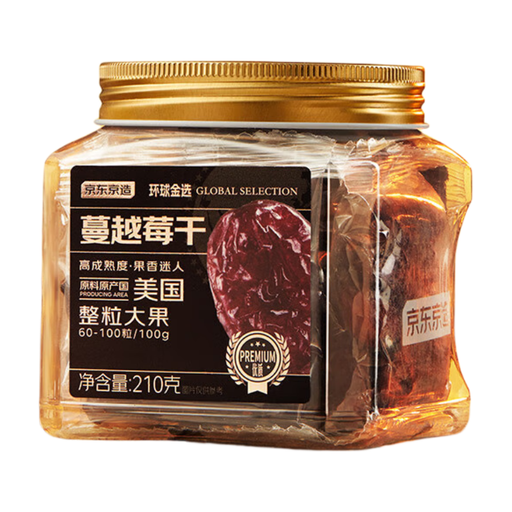
Why it suits this profile: These ready-to-eat cranberries are suitable for yoghurt, porridge, tea, baking recipes or snacking, without having to plan your own drying process.
The packaging lists the ingredients: cranberries, white sugar and sunflower oil. The product is therefore not unsweetened; check this if you want to limit your sugar intake.
210 g contents, ready to eat and suitable for a range of uses. Once opened, store sealed and refrigerated, according to the product information.
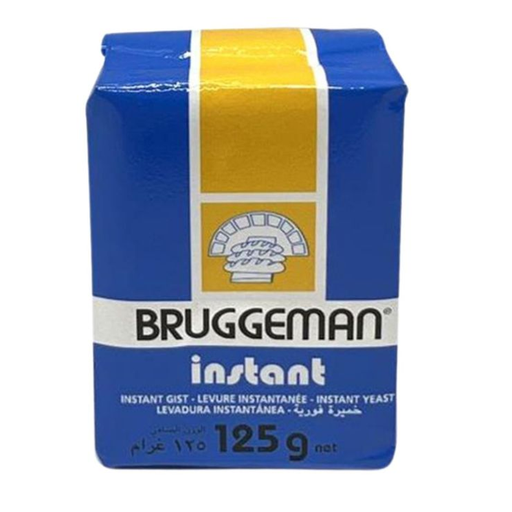
Why it suits this profile: Meal preppers and keen bakers can combine this instant dry yeast with home-dried ingredients in bread, pizza, focaccia and other dough recipes.
The instructions state that the yeast can be mixed directly with the flour. After opening, check the use-by date and storage conditions on the packaging.
125 g instant yeast for bread and pizza; according to the product information, no pre-dissolving is required. Follow your recipe for the quantity to use.
We have compiled a complete, up-to-date list of products that fully meet these strict selection criteria and the applicable European safety regulations.
Cut fruit and vegetables into evenly sized slices so that the pieces dry at roughly the same time. Place the ingredients on the trays with space between them. Overfilled layers slow down air circulation and can lead to uneven results.
A low temperature is often practical for herbs. When drying fruit, check the recipe beforehand for the desired texture. If you want to dry meat or fish, take extra care with hygiene, preparation, temperature and storage time. A food dehydrator is not a substitute for food safety guidelines.
Only store the finished product once it has cooled sufficiently. Use clean, airtight containers and note the preparation date if necessary. If you are unsure about the smell, colour or moisture level, it is safer to throw the product away than to keep it.
This depends on the power rating, set temperature, quantity of food and drying time. A longer timer does not automatically mean higher consumption per hour. Therefore, compare the wattage on the energy label and use the appliance with full, but not overfilled, layers whenever possible.
Shelf life varies depending on the ingredient and residual moisture content. Allow products to cool completely and store them somewhere dry and dark, in an airtight container. Check regularly for condensation, mould or an unusual smell. The correct storage period depends on the recipe and preparation method.
Yes, dried cranberries can, for example, be added to bread, muffins or a sweet dough. Add the fruit at the appropriate point according to your recipe. Bear in mind the sugar content of ready-made cranberries; white sugar is listed among the ingredients of the product mentioned above.
