
Vandaag of morgen in huis

Kwaliteit gegarandeerd

Welkomstaanbiedingen ontgrendelen: GRATIS bezorging | Tot 80% korting | Gratis 30 dagen JoyPlus-proefperiode
Download de app
Chopping onions without tears, quickly making fresh pesto, or grinding nuts for a recipe. A good food chopper can save a lot of time and effort in the kitchen. But the market is flooded with models that promise the world. Unfortunately, this often leads to a bad purchase: an appliance that ends up collecting dust in a cupboard after just a few uses.
As a Joybuy Product Recommendation Officer, I'm here to help you cut through the marketing hype. Let's look at the most common pitfalls so you can choose a model you'll actually use.
The 3 pitfalls of buying a food chopper:
food chopper with a glass bowl is often a better choice for hygiene and durability.To avoid buyer's remorse, it's important to pay attention to a few objective specifications. These determine whether an electric food chopper is right for your kitchen.
The power, expressed in Watts (W), indicates the strength of the motor.
onion chopper or herb grinder.compact food processor or meat grinder. These are suitable for heavy-duty use, grinding meat, and even crushing ice.Multiple speeds give you more control. A low speed is ideal for a coarse texture (salsa), while a high speed ensures a fine, smooth texture (baby food or pesto).
The bowl is where the action happens. The choice of material directly impacts usability and hygiene.
The size of the bowl determines how much you can process in one go.
mini chopper for garlic, herbs, or a single onion.Also, pay attention to the number of blades. Models with four blades (Quad Blade) often distribute power more effectively and provide a faster, more even result than models with two blades.
Based on these objective criteria, we have selected a few popular choices that suit different users.
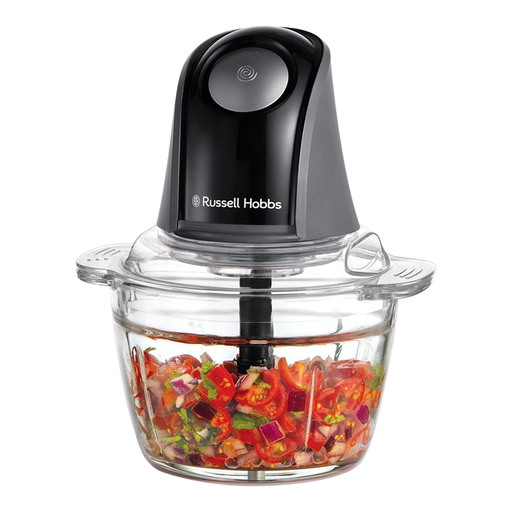
Why This Fits Their Persona: Perfect for those looking for a simple, compact, and reliable `mini chopper` for everyday tasks. No complicated settings, just press a button to chop onions, garlic, and herbs.
The 500 ml glass bowl avoids the pitfall of staining and odours common with plastic models. It's hygienic and easy to clean.
Simple Operation: One-touch control. Dishwasher-Safe Parts: The glass bowl and blades can go in the dishwasher.

Why This Fits Their Persona: For the cook who loves to experiment. With two bowls and two speeds, you can prepare different ingredients simultaneously without mixing flavours. Ideal for pesto, tapenades, baby food, or grinding nuts.
The 300W motor is powerful enough for harder ingredients, helping you avoid the pitfall of an overheating motor. The two speeds give you the control that many basic models lack.
Dual Glass Bowls: Includes a 2L and 0.6L bowl to prevent cross-contamination of flavours. Two Speeds: For both coarse chopping and fine puréeing.
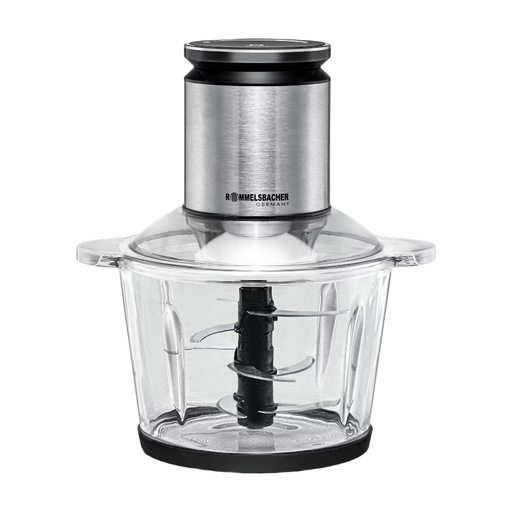
Why This Fits Their Persona: For those who cook for a large family or frequently host dinner parties. This powerful `vegetable chopper` and `meat grinder` in one can handle large quantities, from raw vegetable salads to ground meat for burgers.
With an 800W motor and an extra-large 9-blade assembly, this appliance is designed for heavy-duty tasks. It completely bypasses the pitfalls of inefficient blades and a weak motor.
Extremely Powerful: 800W motor with 22 speed settings. Large Capacity: A robust 2.7-litre glass bowl for large quantities.
We have compiled a complete, up-to-date list of products that fully meet these strict selection criteria and local safety regulations.
1. How do I clean a food chopper safely and properly? Always unplug the appliance from the socket before removing any parts. Most bowls, lids, and blades of modern food choppers are dishwasher-safe. However, always check the manual to be sure. Be extremely careful with the blades; they are very sharp. It's best not to wash them loose in a full sink, but separately under the tap with a dish brush. The motor unit should never be submerged in water; wipe it clean with a damp cloth.
2. Can I purée hot liquids or soup in a food chopper? This is generally not recommended. The steam from hot liquids can build up pressure in the sealed bowl, which can be dangerous. Many manufacturers, such as Philips, advise against processing ingredients hotter than 60°C (140°F). Therefore, let soups or sauces cool down first before puréeing them. A glass bowl is more resistant to temperature changes than a plastic one.
3. What is the difference between a food chopper and a compact food processor? A food chopper is a specialist tool. It is primarily designed for quickly and efficiently chopping, grinding, and puréeing ingredients in a bowl. A compact food processor is often more versatile and comes with multiple attachments, such as discs for grating and slicing, or sometimes even a dough hook. If you are only looking for an appliance for quick chopping and dicing tasks, a food chopper is the most efficient and compact choice.
