
Vandaag of morgen in huis

Kwaliteit gegarandeerd

Welkomstaanbiedingen ontgrendelen: GRATIS bezorging | Tot 80% korting | Gratis 30 dagen JoyPlus-proefperiode
Download de app
A good food chopper saves you from tears when chopping onions and minutes when preparing almost any meal. But the market is flooded with models that overpromise and underdeliver. Many people buy an appliance that ends up in the back of a cupboard after a few months because it's clumsy, noisy, or difficult to clean.
As a Joybuy Product Recommendation Officer, I see which specifications truly matter on a daily basis. Before you make a choice, it's wise to know what to look for. Let's review the three most common pitfalls that lead to buyer's remorse.
To avoid a bad purchase, focus on the features that truly matter in practice. These specifications determine whether your new multi-chopper will be an asset or a burden.
The bowl is where all the action happens. The choice of material directly impacts ease of use and hygiene.
Match the capacity to your household. For a quick onion chopper or for mincing herbs, a mini chopper of 0.5 litres is sufficient. For families or for making sauces and baby food, 1 to 2 litres is more practical.
As mentioned, extremely high wattage isn't necessary. A motor between 300 and 500 watts is more than enough for most tasks, from chopping vegetables to grinding nuts. More important are the speed settings.
A food chopper should make your life easier. Therefore, pay attention to the following points:
Not all food choppers are created equal. Below are a few models that suit different users, based on their objective specifications.
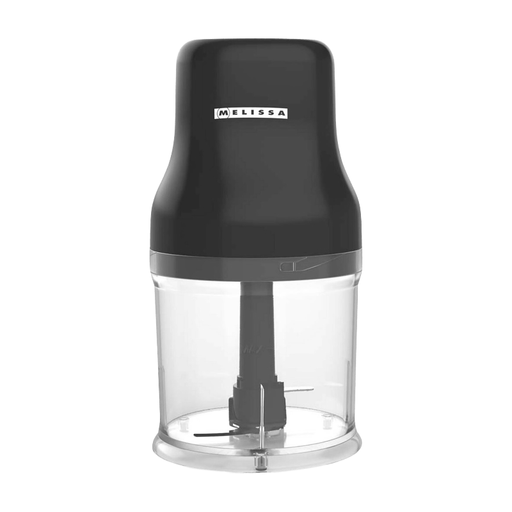
Why This Fits Their Persona: Ideal for those seeking a simple, compact solution for small, daily tasks like chopping an onion, garlic, or herbs. It has a small footprint and does exactly what it needs to do without unnecessary frills.
At 200W, this model proves you don't need excessive power (pitfall 1). Its simple design with a dishwasher-safe bowl and blades prevents cleaning frustration (pitfall 3).
Compact size (0.5L), BPA-free construction, and very simple one-button operation.
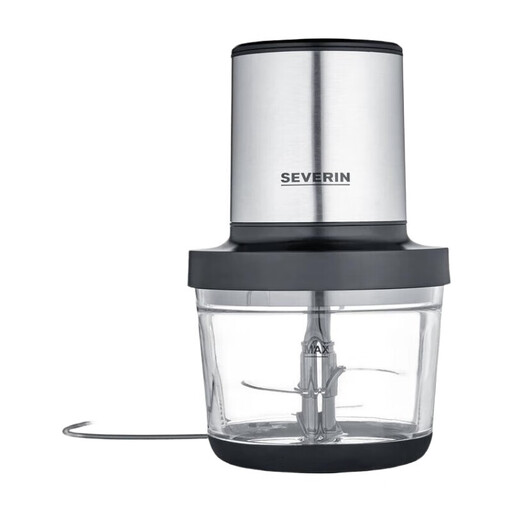
Why This Fits Their Persona: For those who prioritise hygiene and durability. The glass bowl is ideal for making baby food, sauces, and dips without any lingering flavours or odours. A robust and stylish appliance.
The sturdy glass bowl tackles the problem of odours and scratches in plastic (pitfall 2). The 400W power is strong enough for tougher tasks like crushing ice, but remains practical.
Spacious 1-litre glass bowl, suitable for ice crushing, and a stylish design of stainless steel and matte black.

Why This Fits Their Persona: Perfect for the home cook who likes to prep different ingredients simultaneously. With two separate bowls and blade sets, you can chop meat and vegetables separately without washing up in between.
The two glass bowls completely solve the problem of flavour transfer and odours (pitfall 2). The 300W motor is efficient, and the two speeds give you control, preventing you from turning everything to mush (pitfall 1).
Two separate glass bowls (2L and 0.6L) with their own blade sets. Two speeds for optimal control over texture.
A food chopper is a type of vegetable slicer. If you're curious about other ways to shorten your prep time in the kitchen, check out our full range.
Here are answers to a few questions that often come up when purchasing a food chopper.
No, not every model is suitable for this. To crush ice, a chopper needs a powerful motor (usually 400W or more), sturdy stainless steel blades, and a robust bowl (preferably glass or stainless steel) that can handle the impact. Always check the manufacturer's product description to see if this feature is explicitly mentioned.
A food chopper specialises in quickly chopping, grinding, and pureeing ingredients in a bowl with a rotating blade. A small food processor (or compact food processor) is often more versatile. These typically come with multiple attachments, such as discs for grating or slicing. If you're just looking for a quick helper for chopping and dicing, a food chopper is more compact and simpler to use.
Safety first. Always unplug the appliance before disassembling it. Remove the blade set by holding it by the plastic hub in the centre, never by the sharp blades themselves. Most blades are dishwasher-safe, but check the manual to be sure. If washing by hand, use a dish brush and warm, soapy water to avoid direct contact with the cutting edges. Dry them thoroughly before storing them again.
