
Vandaag of morgen in huis

Kwaliteit gegarandeerd

Welkomstaanbiedingen ontgrendelen: GRATIS bezorging | Tot 80% korting | Gratis 30 dagen JoyPlus-proefperiode
Download de app
As a pet owner, you want the best for your dog or cat. Choosing a simple food or water bowl might seem straightforward, but the range of options is overwhelming. Many products make big promises but, in practice, deliver mostly frustration. Before you invest in a new set, it's wise to understand the common pitfalls.
Many owners unknowingly make a choice that doesn't suit their pet, leading to discomfort or even health issues. We've listed the most common mistakes:
cat water fountain is a great idea to encourage your pet to drink more. However, many models have a complex design with hard-to-reach corners and a pump that quickly clogs with slime and hair. The result is an unhygienic water source that creates more work than a simple water bowl.To avoid buyer's remorse, focus on a few objective specifications. These factors determine the durability, hygiene, and comfort for your pet.
The material is the most important factor for hygiene and longevity.
collapsible water bowl for on-the-go use, but for daily use, stainless steel or ceramic are often a better investment.The right posture during meals can significantly improve your pet's comfort.
Sometimes, a standard bowl isn't the solution. Consider your pet's specific behaviour.
Based on these criteria, we have selected a few products that suit different needs and pet owners.
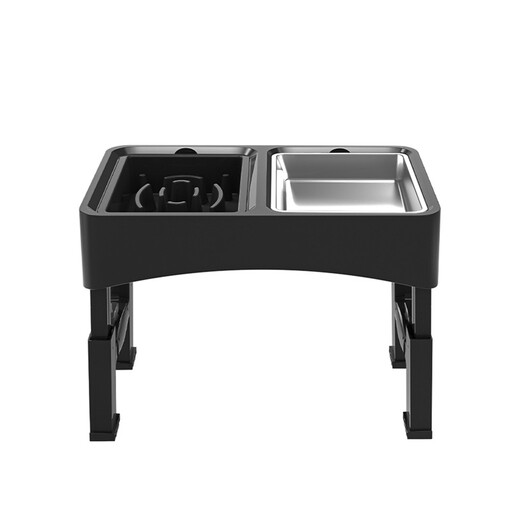
Why This Fits Their Persona: This product combines an anti-gulp bowl with an elevated stand. Ideal for owners of dogs that eat too quickly and who also want to encourage a better eating posture.
Tackles the 'one-size-fits-all' problem with four adjustable heights (10 to 31 cm). It's not a standard bowl, but a targeted solution for gobbling and ergonomics.
Combines a slow feeder with a separate stainless steel bowl for water. The stand is collapsible, which is convenient for storage.
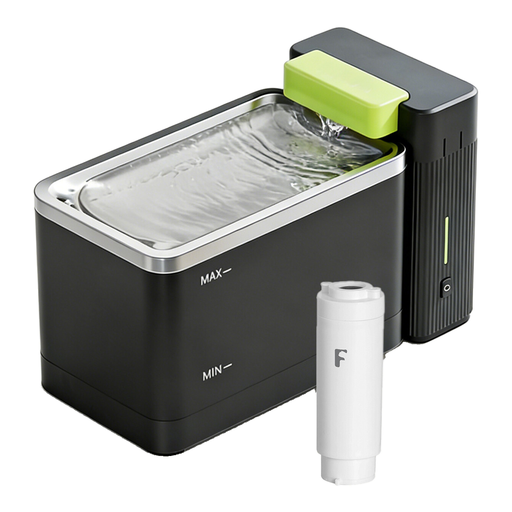
Why This Fits Their Persona: Perfect for cat owners concerned about their pet's fluid intake. The fountain mimics running water, which cats instinctively find more appealing than still water.
Avoids the plastic trap by using 316 stainless steel. The design separates water and electricity, making cleaning and use safer and simpler than many other fountains.
Features ultra-filtration technology for clean water. The device is ultra-quiet and has a generous 3.3-litre capacity, so you don't have to refill it constantly.
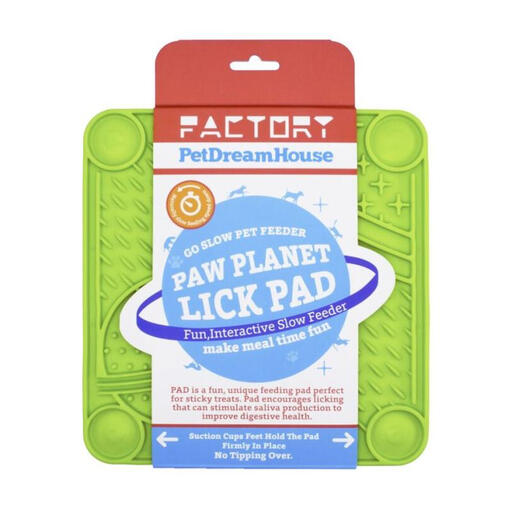
Why This Fits Their Persona: For the owner looking for more than just feeding. This lick mat provides mental stimulation and can help reduce stress during a thunderstorm or a visit to the groomer, for example.
This isn't a food bowl, but a functional tool. It's made from food-safe, non-toxic silicone, a safe and durable material choice for this purpose.
The act of licking has a calming effect on dogs and cats. The mat is easy to clean (dishwasher-safe) and has a non-slip base.
We have compiled a complete, up-to-date list of products that fully meet these strict selection criteria and applicable safety regulations.
For optimal hygiene, it is recommended to clean the water fountain weekly. Disassemble the parts and wash them with a mild soap. The pump itself often needs extra attention; open it up at least once a month to remove any hair and slime that could impede its function. Always follow the manufacturer's instructions.
Not necessarily. An elevated food bowl is primarily beneficial for large dog breeds, senior pets, and pets with medical conditions like arthritis or neck problems. For small, healthy dogs and most cats, eating from the ground is a natural posture. When in doubt, it's always a good idea to consult your veterinarian.
Stainless steel (SS) and ceramic are generally considered the most hygienic options. Both materials have a non-porous surface that bacteria struggle to adhere to, and they are easy to clean. Plastic is only a good option if it is undamaged and of high, BPA-free quality.
