What should you look for when choosing?
First, identify which allergens you need to avoid. Then compare regular Melba toast, gluten-free toast or a half loaf based on the other ingredients, and only then consider the pack size and how quickly you’ll use it.
| What to look for |
What to check before buying |
Who it matters most to |
| Specific allergens |
Read the ingredients, allergen information and any precautionary allergen warning on the current packaging. |
If I need to avoid a particular allergen, I want to know whether it’s in this specific toast or loaf. Around 36% of consumers put avoiding their own allergen first. |
| Gluten-free options |
Check that the product is explicitly labelled gluten-free, and assess any other listed allergens separately. |
A regular wheat product isn’t an option for me if I need to eat gluten-free, but other ingredients matter too. An estimated 29% of consumers prioritise a suitable gluten-free product. |
| Pack size |
Compare the quantity, any individual packs and the storage instructions with how much you use. |
I don’t use much bread at a time and want to finish a pack without unnecessary leftovers. For around 21% of consumers, pack size comes first, once the product meets their allergy requirements. |
| Baker’s salt in bread |
For packaged bread, check whether baker’s salt is listed in the ingredients; ask about it if the bread is unwrapped. |
If I eat less bread or choose a different type, I don’t want to assume that every bread product contains the same salt. Around 14% of consumers give this question top priority when choosing bread. |
Melba toast on Joybuy
This Melba toast is an option if you’re looking for a 100 g pack. Before considering the pack size, compare the allergen information on the current packaging with your own requirements.
 No image available
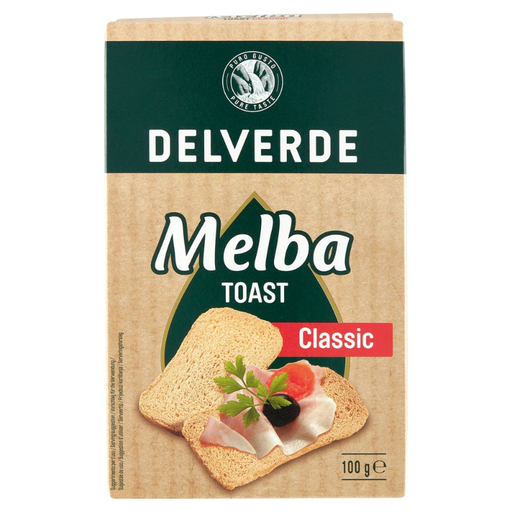
Delverde Classic Melba Toast, 100 g
This Melba toast may suit you if you’re looking for a 100 g pack, provided its allergen profile is right for you.
According to the product description, the ingredients include wheat and barley, and traces of sesame, soya and mustard may be present. Check the ingredients and warnings on the current packaging.
View on Joybuy
Frequently asked questions
Is regular Melba toast suitable if I need to avoid gluten?
Not the regular varieties from AH and Van der Meulen that were reviewed: their labels list wheat and cereals containing gluten. Look for a product explicitly labelled gluten-free, and also check the packaging for other allergens.
Can I rely on allergen information online?
Use a product page to narrow down your options, but check the packaging of the product you actually buy. Albert Heijn says that ingredient and allergy information can change.
Where can I find allergen information on prepacked toast?
According to Your Europe, prepacked foods in the EU must have an ingredients list and allergen information, with allergens highlighted in the ingredients list. Read the information on the packaging of the product you choose, and check for any precautionary allergen warnings too.
Does bread in the Netherlands always contain baker’s salt?
No. According to the Voedingscentrum, using baker’s salt when baking bread isn’t compulsory. For packaged bread, check the ingredients list; for unwrapped bread, ask which salt has been used.
How should I store toast or a half loaf once opened?
Follow the storage instructions for the product you choose. For the AH Melba toast naturel reviewed, Albert Heijn recommends storing it in a sealed tin after opening. The half white toast loaf listed by Jumbo has different storage guidance, so don’t assume the same advice applies.


