A standard spritz biscuit isn’t suitable if you’re strictly avoiding sugar: according to Albert Heijn, Verkade and PLUS, their listed spritz biscuits contain 28 g, 24.2 g and 21.4 g of sugars per 100 g respectively. A sugar-free biscuit is a different kind of biscuit; AH Digestive 0% sugar also contains wheat. If you have a food allergy, first check the current ingredients, allergens and warnings about possible cross-contamination, then look at the sugar claim.
Who is this choice relevant to?
Shoppers with a food allergy in mind
You’re buying for yourself or someone else with a known allergy. The ingredients, allergens and any warnings about cross-contamination determine which biscuits you can consider. The Netherlands Nutrition Centre highlights how important label information is when you have a food allergy.
Shoppers looking for a strictly sugar-free option
You want a biscuit that meets the threshold for the ‘sugar-free’ claim, and you’re happy for it not to be a spritz biscuit. Under European Regulation (EC) No 1924/2006, the claim can be used for solid foods containing no more than 0.5 g of sugars per 100 g.
Spritz biscuit fans keeping an eye on sugar
You want to know whether to stick with a standard spritz biscuit or choose something else. The distinction matters: ‘no added sugar’ doesn’t mean the same as ‘sugar-free’, and a digestive biscuit isn’t a spritz biscuit.
What should you look for when choosing?
First, compare the allergen information with the ingredients you need to avoid. Then distinguish between a standard spritz biscuit, a sugar-free biscuit and a biscuit with no added sugar.
Standard spritz biscuit
Choose this when: having a familiar spritz biscuit matters to you and the current allergen information fits your list of ingredients to avoid.
The trade-off: the spritz biscuits listed by Albert Heijn, Verkade and PLUS aren’t sugar-free.
Sugar-free biscuit
Choose this when: avoiding sugar is the priority and you’re happy with a different kind of biscuit.
The trade-off: AH Digestive 0% sugar isn’t a spritz biscuit and, according to Albert Heijn, contains wheat; it may also contain barley, oats and rye.
Biscuit with no added sugar
Choose this when: you’re specifically looking at added sugar, but don’t need the biscuit to be sugar-free.
The trade-off: Jumbo lists 1.7 g of sugars per 100 g for Verkade San Francisco Zero, as well as the allergens wheat, milk and soya.
| What to consider |
What to check before buying |
Who it matters most to |
| Allergens |
Check the ingredients, clearly stated allergens and any warnings about cross-contamination on the current packaging. |
When I’m buying for someone with a food allergy, I want to know whether the biscuit is suitable for their allergens to avoid. For around 46% of consumers, this check comes first. |
| Sugar-free |
Check the ‘of which sugars’ value per 100 g. Under Regulation (EC) No 1924/2006, the ‘sugar-free’ claim applies to products containing no more than 0.5 g of sugars per 100 g. |
If you want a strictly sugar-free option, ‘no added sugar’ on its own isn’t enough. For around 36% of consumers, being genuinely sugar-free is the main priority. |
| Type of biscuit |
Decide whether you specifically want a spritz biscuit or would also consider a biscuit or cracker; then compare the information for that product. |
With my coffee, I’d rather have a spritz biscuit than another kind of biscuit, as long as it meets my other requirements. Around 18% of consumers put this biscuit choice first. |
Common mistakes
-
Reading ‘no added sugar’ as ‘sugar-free’
These are different claims. Jumbo lists 1.7 g of sugars per 100 g for Verkade San Francisco Zero; under Regulation (EC) No 1924/2006, the threshold for ‘sugar-free’ is no more than 0.5 g per 100 g.
If avoiding sugar is essential for you, check the ‘of which sugars’ amount per 100 g.
-
Confusing a sugar claim with allergy suitability
A biscuit can contain allergens even if it’s sugar-free. For example, Albert Heijn lists wheat in AH Digestive 0% sugar.
First, compare the full allergen information and any warnings about cross-contamination with your list of ingredients to avoid.
-
Assuming a standard spritz biscuit is a sugar-free alternative
According to the relevant product information, AH Spritsen, Verkade NoboSprits Original and PLUS Spritsen contain 28 g, 24.2 g and 21.4 g of sugars per 100 g respectively.
If you need a sugar-free option, consider other types of biscuit too, and check their sugar content and allergens.
-
Overlooking the sweetener warning
According to Albert Heijn, AH Digestive 0% sugar contains maltitol and isomalt. The product information warns that excessive consumption may have a laxative effect.
As well as the sugar content, read the ingredients and warnings on the packaging.
Brands and retailers to consider
Albert Heijn
Albert Heijn lists both AH Spritsen and AH Digestive 0% sugar, which is a digestive biscuit rather than a spritz biscuit.
- According to Albert Heijn, AH Spritsen contain 28 g of sugars per 100 g; the product information lists milk, lactose and wheat.
- AH Digestive 0% sugar contains wheat and may contain barley, oats and rye. Consider this information separately from the sugar claim.
Verkade
Verkade makes NoboSprits Original, a spritz biscuit; San Francisco Zero is a different kind of biscuit.
- According to Verkade, NoboSprits Original contains wheat and milk; the product information lists 24.2 g of sugars per 100 g.
- Jumbo lists 1.7 g of sugars per 100 g for San Francisco Zero, along with the allergens wheat, milk and soya. ‘Zero added sugar’ doesn’t mean the same as sugar-free in this case.
Jumbo
Jumbo provides product information for Verkade San Francisco Zero and also has a separate category for gluten-free biscuits.
- For Verkade San Francisco Zero, Jumbo lists wheat, milk and soya, as well as other grains that may contain gluten.
- A gluten-free category label alone doesn’t tell you whether a specific biscuit is also sugar-free or suitable for your other allergen requirements.
PLUS
PLUS lists standard spritz biscuits and also offers other biscuits for those keeping an eye on sugar.
- According to PLUS, PLUS Spritsen contain 21.4 g of sugars per 100 g and list ingredients including wheat, egg and milk.
- PLUS also lists possible nuts and other grains that contain gluten for its spritz biscuits. If you’re considering a different biscuit, check its full allergen information separately.
ALDI
ALDI lists Biscotto butter spritz biscuits. The also-mentioned ontbijtkoek zero is a different type of product.
- ALDI describes Biscotto butter spritz biscuits as biscuits made with butter.
- If you’re choosing a product with a food allergy in mind, check the ingredients and allergens on the current packaging. The product type or a sugar-related term isn’t enough.
A biscuit alternative on Joybuy
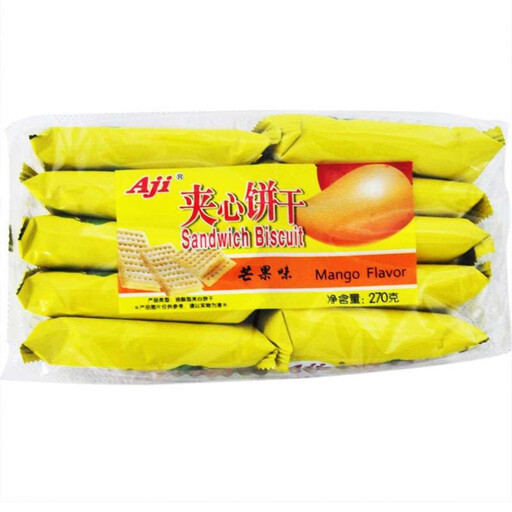
This mango-flavoured sandwich cracker is a different kind of biscuit from a spritz biscuit. Before choosing it for this purchase, check the current packaging for sugars per 100 g and allergens.
 No image available
AJi Sandwich Soda Crackers, mango flavour, 270 g
If you’re happy to choose a cracker instead of a spritz biscuit, you could consider this 270 g mango-flavoured option as an alternative.
Check the current packaging for sugars per 100 g, ingredients, allergens and any warnings about cross-contamination. Don’t rely on the product type alone to determine whether it’s sugar-free or suitable for your allergy.
Joybuy
Frequently asked questions
Does ‘no added sugar’ mean the same as sugar-free?
No. Under European Regulation (EC) No 1924/2006, the ‘sugar-free’ claim for solid foods applies to products containing no more than 0.5 g of sugars per 100 g. Despite its added sugar wording, Jumbo lists 1.7 g of sugars per 100 g for Verkade San Francisco Zero.
Can I choose standard spritz biscuits if I’m looking for a strictly sugar-free option?
Not the standard spritz biscuits listed here: according to Albert Heijn, AH Spritsen contain 28 g of sugars per 100 g; according to Verkade, NoboSprits Original contains 24.2 g; and according to PLUS, PLUS Spritsen contain 21.4 g per 100 g. If you need a sugar-free option, check both the sugar content and allergens of any other biscuit you’re considering.
What should I look for in the sweeteners used in a sugar-free biscuit?
Read the ingredients and product warnings. According to Albert Heijn, AH Digestive 0% sugar contains maltitol and isomalt, and carries a warning that excessive consumption may have a laxative effect.


