
Vandaag of morgen in huis

Kwaliteit gegarandeerd

Welkomstaanbiedingen ontgrendelen: GRATIS bezorging | Tot 80% korting | Gratis 30 dagen JoyPlus-proefperiode
Download de app
A folding table may seem like a simple purchase at first. However, many buyers are tempted by a low price or an attractive product photo without checking how the table is stored, how much space the tabletop offers or whether the model is suitable for its intended use. This can leave you with a table that wobbles, is awkward to transport or turns out to be barely practical at home.
With this practical buying guide, you can compare a folding table, fold-up table, camping table or compact table by looking at the features that matter in everyday use.
The term “folding” or “folding table” can refer to different designs. Some models have a fully foldable base. Others are supplied as a KD model: you assemble the parts first and can take them apart again later if needed. So check whether the product information mentions a folding mechanism, a tilting mechanism or simply basic assembly.
A diameter of 80 cm sounds generous, but a bar table that is 110 cm high is designed for standing or use with tall bar stools. A 60 × 60 cm table seats fewer people than a rectangular model with a larger top. So don’t just look at the surface area: consider the height, shape and number of people using it too.
A product description may say that a table is designed for indoor and outdoor use. That doesn’t mean you should leave it out in the rain, frost or direct sunlight for long periods. Check the material, finish and storage advice. Keeping it in a dry place or using a protective cover can help limit wear and tear.
Choose the height to suit how you’ll use the table:
Measure the available space first. Allow room to move around the table too, especially at a party, trade fair stand or hospitality venue.
Check how the table folds down or comes apart:
For a camping table or portable table, the weight, handles and folded size are important things to check. The product information doesn’t specify the folded size for every model. Ask the seller if you need the table to fit in a car, cupboard or storage space.
MDF is easy to wipe clean with a damp cloth, but take extra care if it is exposed to moisture for long periods. Metal and plastic can be practical for transport and outdoor use. Also check the base: a wide foot, sturdy legs and a level surface can make a real difference in everyday use.
Check the legal protection too. The product information for the two Koopman products in this selection states a minimum legal guarantee of two years. The legal guarantee is separate from any additional voluntary terms offered by a seller or manufacturer.
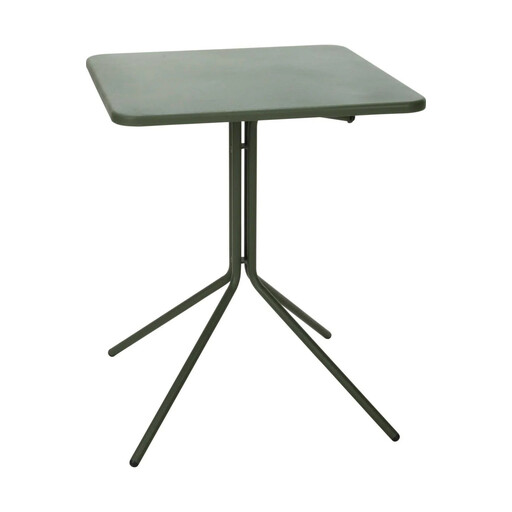
Why it suits this profile: This compact camping table is designed for simple use as a side table, whether you’re camping, using it on a balcony or furnishing a small home. Its dimensions of 58 × 58 × 70 cm mean it takes up relatively little space.
The product information mentions a tilting mechanism, which means the table takes up little space and is easier to transport. Do check the exact transport size before buying.
58 × 58 cm, 70 cm high, made from metal and plastic, and suitable for two people according to the product information.
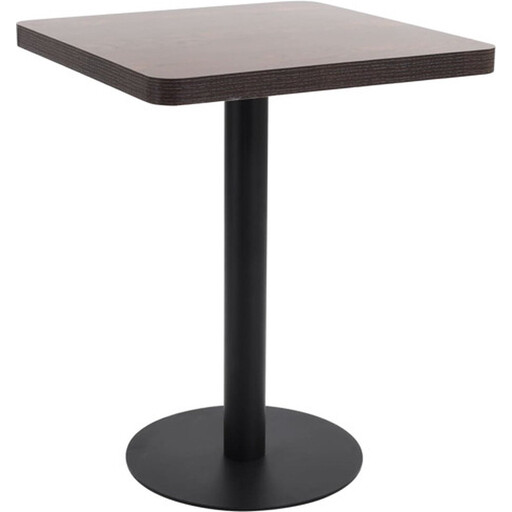
Why it suits this profile: This model is a good fit for a permanent bistro corner, coffee bar, café or interior where appearance and a fixed tabletop matter more than being able to fold it away.
The product details clearly state that this table doesn’t fold up. That means you won’t accidentally buy it for a situation where quick storage is essential.
MDF top with a woodgrain pattern, metal base, 60 × 60 × 75 cm, and easy to wipe clean with a damp cloth.
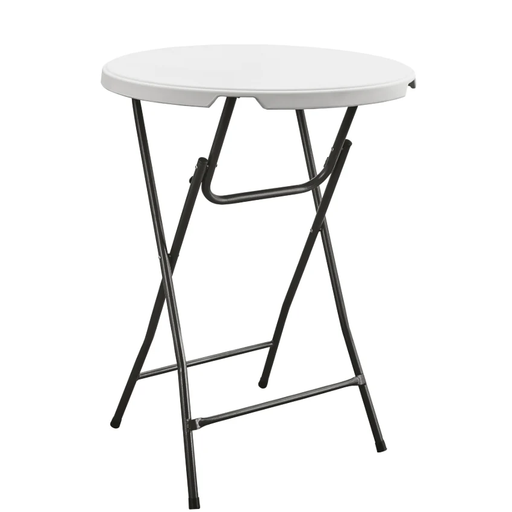
Why it suits this profile: This tall, round table is designed for parties, business meetings, events and hospitality settings where guests can enjoy a drink or snack while standing.
The diameter and height are clearly specified. The KD design needs to be assembled, so check first whether you want a bar table that can be dismantled rather than one with a fully folding mechanism.
Round 80 cm top, 110 cm high, white finish and suitable for indoor and outdoor use according to the product description.
We’ve put together a full, up-to-date list of products that meet these strict selection criteria and the applicable European safety regulations.
Place the table on a level surface and check that all the legs, hinges or fastening points are fully locked in place. With a KD model, all the parts should be secured according to the assembly instructions. Don’t put heavy items on the edge until you’ve checked that the table is stable.
Its lifespan depends on the material, load, assembly and storage. A table that’s stored somewhere dry and isn’t loaded beyond its stated capacity will generally stay in good condition for longer. Regularly check the screws, hinges, legs and tabletop for damage.
It depends on the model. If the product information says the table is designed for indoor and outdoor use, you can use it outside, but it’s still best to avoid leaving it in the rain or frost for long periods. Store the table somewhere dry after use and always follow the manufacturer’s care instructions.
