
Vandaag of morgen in huis

Kwaliteit gegarandeerd

Welkomstaanbiedingen ontgrendelen: GRATIS bezorging | Tot 80% korting | Gratis 30 dagen JoyPlus-proefperiode
Download de app
Folding sunglasses are handy if you’re often on the go, but not every compact style is automatically a good buy. A pair that fits easily into a jacket pocket, for example, may be less stable, scratch easily or provide too little information about the lenses. There are also things to check before choosing sunglasses for driving or cycling.
Look out for these three common pitfalls:
UV400 protection refers to protection against ultraviolet light up to a wavelength of 400 nanometres. Check that this specification is actually included in the product information. According to the product descriptions for several Beneunder models, the nylon lenses block at least 99.8% or 99.9% of UV radiation. This is a manufacturer’s product specification, not a general guarantee for all sunglasses.
The following features are also worth considering for everyday use:
Polarised cycling glasses aren’t essential for every situation. If you mainly walk or wear your sunglasses in the car, you may value anti-reflective properties and neutral colour reproduction more.
TR90 is a commonly used thermoplastic material for lightweight sunglasses. According to the product descriptions from Beneunder and Revoray, it combines flexibility with low weight. However, “TR90” alone doesn’t tell you enough about the fit or hinge quality.
Also consider the overall weight:
A lighter pair can feel more comfortable on long bike rides, but coverage and stability are just as important. For intensive use, useful details include rubberised arm tips, adjustable nose pads and a secure fit around the eyes.
Compact travel sunglasses should not only fold down, but also be protected when stored. A hard or sturdy case helps prevent scratches and pressure damage. Also check the frame dimensions. A frame width of around 5.7 to 5.8 inches, as listed for several Beneunder models, may suit an average to wider fit, but face shapes vary from person to person.
Cat-eye sunglasses often have upturned outer corners and a distinctive shape. Boston-style sunglasses are rounder and generally easier to pair with different styles of clothing. Oversized sunglasses cover more of your face, but may be too large if the bridge or arm length isn’t right for you.
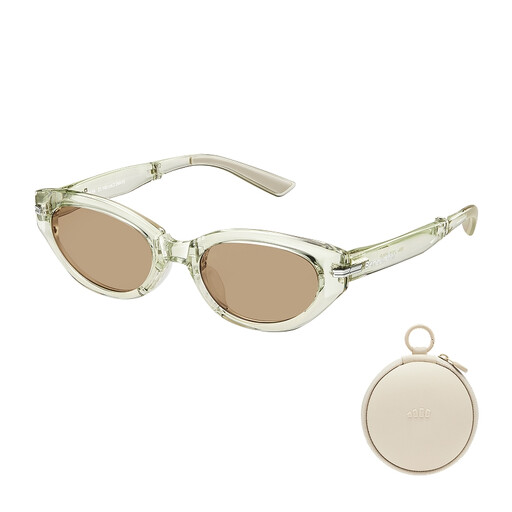
Why it suits this user: This model combines a distinctive cat-eye shape with a folding TR90 frame for everyday wear, shopping and travel.
The product description specifies UV400 protection, an OAR anti-reflective coating and air-cushion nose pads. This makes the key specifications clearer than they would be on a model with only a general sun protection claim.
TR90 frame, five-point elastic hinges, nylon lenses and a frame width of 5.8 inches, according to the product information.
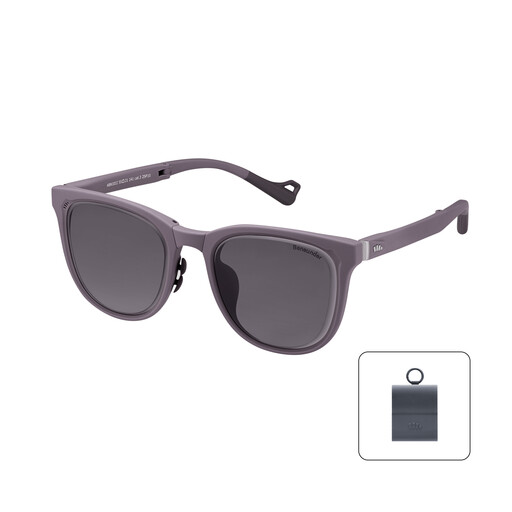
Why it suits this user: The Boston shape is a good choice if you want an understated, versatile style with easy portability and an adjustable fit.
The product information lists three adjustment positions for the arms and double-hinged nose pads. This gives you more ways to reduce pressure points than with a fixed fit.
UV400 nylon lenses with anti-reflective, oil-resistant and scratch-resistant coatings, according to the product description; folded thickness of approximately 1.15 inches.
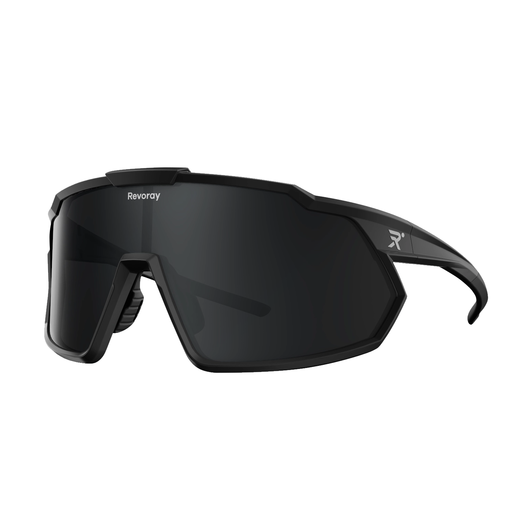
Why it suits this user: These sports sunglasses are designed for cyclists who need a secure fit, low weight and reduced glare on longer rides.
According to the product information, these glasses have adjustable silicone nose pads, anti-slip sections and weigh around 33 grams. The lenses also have water- and oil-resistant coatings.
TAC polarised lenses, UV400 protection according to the product description, around 15.2% visible light transmission and a stated ANSI Z87.1 performance test rating.
We’ve put together a full, up-to-date list of products that meet these strict selection criteria and the applicable European safety regulations.
It depends on the lenses and the conditions. A pair with UV400 protection and an anti-reflective coating may be suitable for everyday use, but check that the lens colour and light transmission are right for driving. Strongly polarised lenses can reduce reflections, but always check that you can still see information on your dashboard or screens clearly.
Their lifespan depends on the hinge mechanism, lens coating and how well they’re cared for. Open and close the glasses gently at the designated folding points. Rinse off dust with water first, then use a soft microfibre cloth. Store them in a case, and don’t leave them under heavy objects or in high temperatures for extended periods.
For cyclists who often ride on wet roads, near water or in bright sunshine, polarisation can help reduce distracting glare. If you mainly cycle in cloudy weather, you may get more benefit from a lighter lens, good ventilation and a secure fit. So compare more than just the price: consider UV400 protection, weight, grip and lens coating too.
