
Vandaag of morgen in huis

Kwaliteit gegarandeerd

Welkomstaanbiedingen ontgrendelen: GRATIS bezorging | Tot 80% korting | Gratis 30 dagen JoyPlus-proefperiode
Download de app
A folding camping table may seem like a straightforward purchase at first glance. However, small differences in dimensions, frame construction and load capacity can have a significant impact on how it performs. A table that looks sturdy in the product photo may turn out to be too low, difficult to store or unstable on grass and uneven ground.
For campers, picnic lovers and festivalgoers, three pitfalls are particularly important:
An aluminium camping table is generally a good choice if you want to keep the weight down. Aluminium alloy does not rust in the same way as untreated steel and is suitable for regular transport. However, pay attention to the difference between the material used for the tabletop and that used for the frame. An aluminium tabletop with a thin or basic frame may perform differently from a table with a reinforced base.
A crossed frame, such as an X-shaped design, can provide a broader support base. This helps during normal use, but the table must still be unfolded fully and placed on a level, firm surface.
A portable camping table should suit the way you intend to use it. A medium-sized tabletop may be sufficient for tableware, a camping stove and a few drinks bottles. For several people or a shared meal, a wider table is more practical.
As well as the length and width, consider the height. A table approximately 44,5 cm high works well with low camping chairs and picnic arrangements. For working or eating for longer periods on standard chairs, a taller table may be more suitable.
Also check:
A folding table is only truly practical if it takes very little effort to set up. With a roll-top camping table, the tabletop and frame are sometimes stored separately. This can save space, but it also means you need to keep both parts together.
A model with a detachable structure is handy for the boot of your car, caravan or storage area. After unfolding it, check that all the legs are touching the ground at the same time. Do not leave the table in the rain or direct sunlight for extended periods if the manufacturer advises against it. Also avoid applying concentrated force to one corner of the tabletop, as this could cause the table to tip over.
The right choice depends on how you plan to use the table. A small lightweight camping table makes sense for short trips, while a larger model is better suited to families, group meals or longer stays. For use at home, you could also consider a living room side table, an industrial side table or a bedside table with storage.
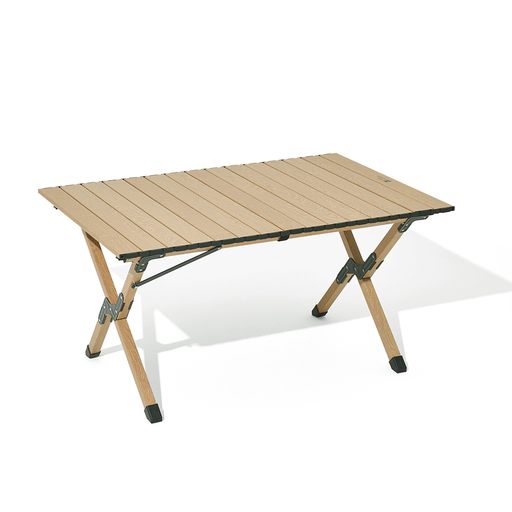
Why it suits this profile: The medium version offers a manageable size for picnics, short camping trips and gatherings without adding unnecessary weight to your load.
The product description specifies an aluminium alloy for the tabletop and frame, an X-shaped cross frame and PVC foot caps. This means you do not have to rely solely on a low price or appearance.
Unfolded dimensions of 87 × 60 × 44,5 cm; weight of approximately 3,6 kg. The tabletop and frame can be stored separately.
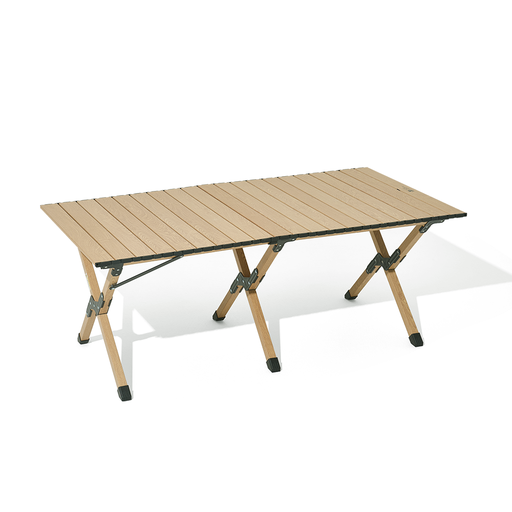
Why it suits this profile: The larger table is suitable for campers who need more workspace and dining space for a group meal or a longer stay.
The product information explicitly mentions a reinforced multi-layer construction and X-shaped support. However, check the permitted load capacity before purchasing.
Unfolded dimensions of 116 × 60 × 44,5 cm; weight of approximately 4,9 kg. Aluminium tabletop and frame, with components that can be stored separately.
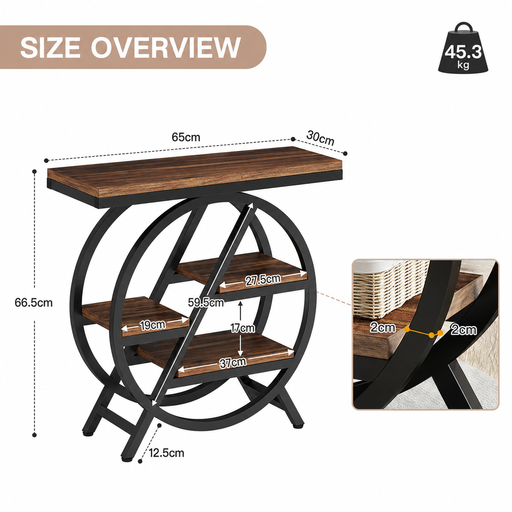
Why it suits this profile: This model is designed for home use as an industrial side table, wooden side table or bedside table with storage next to the sofa or bed.
The table has three shelves and adjustable foot caps. According to the product description, the shelves are 1,5 cm thick and the stated maximum load capacity is 13,6 kg.
Three tiers for books, lamps and accessories; metal frame with a rustic brown finish. Assembly instructions and numbered parts are included, according to the product information.
We have put together a complete, up-to-date list of products that fully meet these strict selection criteria and the applicable European safety regulations.
Choose a level, firm surface and unfold the frame fully. Check that all the legs are touching the ground at the same time and that the tabletop is securely attached. Distribute heavy objects across the surface and avoid putting pressure on one corner.
Its lifespan depends on the load, storage and maintenance. Store the table somewhere dry, do not leave it in the rain or direct sunlight for extended periods, and do not exceed the stated load capacity. Regularly checking the connections and ensuring the foot caps are undamaged will help you continue using the product safely.
That depends on its size and appearance. An aluminium model is suitable for occasional use on a balcony, at a gathering or as an extra table. For everyday use in the living room, a side table, industrial side table or wooden multi-tier side table is often more practical.
