
Vandaag of morgen in huis

Kwaliteit gegarandeerd

Welkomstaanbiedingen ontgrendelen: GRATIS bezorging | Tot 80% korting | Gratis 30 dagen JoyPlus-proefperiode
Download de app
A folding camping table needs to do more than fold away neatly. At a campsite, festival or picnic spot, it has to cope with uneven ground, wind, damp and changing loads. A model that looks sturdy in the product photos may wobble in practice, be tricky to assemble or prove too large for your boot.
So don’t focus on price or attractive design alone. These three pitfalls are common with portable tables:
First, think about how you’ll use the table. A compact model may be enough for two people on a short camping trip. Families and groups need more surface area for cooking equipment, crockery and drinks.
A 50 × 40 cm table is relatively compact and works well as a side table or small camping table. A table measuring around 116 × 60 cm offers more space for a meal or food preparation. A double tabletop, as found on some BRS models, can be handy if you want to prepare food while keeping space free for eating.
As well as the dimensions when set up, check:
An aluminium camping table is usually a good choice for campers looking to save weight. Aluminium alloy is lightweight and, according to the product descriptions for the models mentioned, resistant to oxidation or corrosion. That doesn’t mean you can leave the table out indefinitely in the rain or salty sea air. Dry it after use and store it somewhere dry.
A steel frame can feel stable, but it’s often heavier. The Lifetime table, for example, combines a powder-coated steel frame with a UV-resistant HDPE tabletop. Measuring 183 × 70 cm, it’s suitable for larger groups, but less practical for hikers.
MDF with steel legs, as used on the 5five table, is mainly intended for indoor use. For extended outdoor use, an aluminium or weather-resistant plastic design is usually a more sensible choice. Always check the stated intended use rather than judging by the material alone.
An adjustable camping table gives you more flexibility on different surfaces. Telescopic legs can be set to your preferred height, but make sure every leg lock is fully secured before putting anything on the table.
Keep these practical points in mind:
A camping table isn’t designed to be used as a seat, step or workbench. Don’t place heavy cooking appliances on one edge, and avoid using the table on a steep slope.
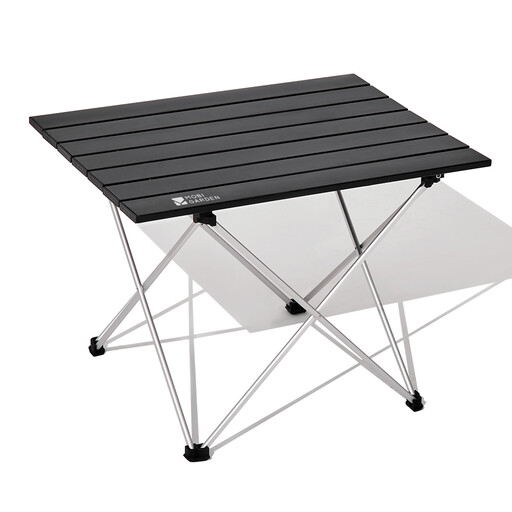
Why it suits this type of buyer: This compact model is aimed at hikers, anglers and campers looking for a lightweight table for a small cooking set or drinks.
The stated packed size is 16 × 8 × 57 cm and it weighs around 1,25 kg. The maximum static load is listed as around 20 kg.
Aluminium frame, cross-braced design and nylon foot caps. The tabletop and frame can be stored separately.
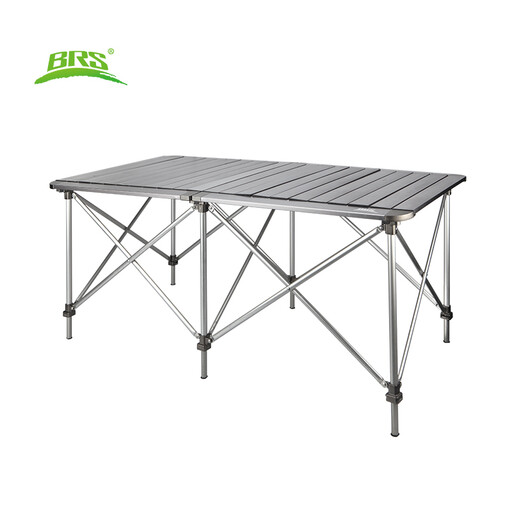
Why it suits this type of buyer: The twin tabletops are handy for families, couples and overlanders who want to organise cooking and dining in the same spot.
The telescopic legs have a locking system, and each panel can be used separately. Before use, check that every lock is secure.
Measures 126,5 × 69 cm and is made from aluminium alloy, with adjustable legs. According to the product description, it folds flat for transport.
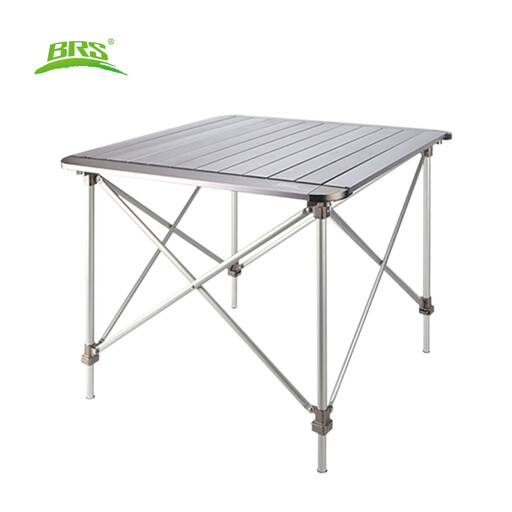
Why it suits this type of buyer: This single-person model is ideal for campers who want to take an adjustable work, cooking or side table to different outdoor locations.
The adjustable telescopic legs and clear locking mechanism give you greater control over the height. Even so, set the table up on ground that’s as level as possible.
Measures 69 × 69 cm, is made from aluminium alloy and folds flat. According to the product description, no tools are needed to set it up.
We’ve put together a full, up-to-date list of products that meet these strict selection criteria and current European safety regulations.
Choose a firm, level surface. First, unfold the frame fully and make sure all the legs are firmly on the ground. If the table has telescopic legs, adjust each one individually. Then check that all the clips, hinges and locks are secure before putting crockery or a cooking appliance on the table.
Its lifespan depends on the material, the load it carries and how well you look after it. Clean the tabletop after use, dry the aluminium and hinges thoroughly, and store the table indoors or somewhere dry. Don’t leave a camping table out in the rain, direct sunlight or salty sea air for extended periods. Check the foot caps and leg locks regularly to make sure they’re still working properly.
A carry bag can be useful if you often take your table to a campsite, festival or picnic. Make sure you check the overall packed size and weight, though. A bag won’t automatically make a heavy model easy to carry. For hikers, low weight is often more important than a large tabletop; for families, a larger camping table for picnics and barbecues may be more practical.
