
Vandaag of morgen in huis

Kwaliteit gegarandeerd

Welkomstaanbiedingen ontgrendelen: GRATIS bezorging | Tot 80% korting | Gratis 30 dagen JoyPlus-proefperiode
Download de app
A folding bike is often the perfect solution for practical challenges. Whether you travel by train every day and need to bridge the last mile to the office, live in an apartment with limited storage space, or are looking for a compact bike for the campsite or boat. However, the market for folding bikes is vast and diverse, which doesn't make the choice any easier.
This article is designed to help you. We'll provide practical tips on what to look for and highlight several popular choices for different situations. This way, you can make an informed decision that fits your needs and budget.
Before choosing a model, it's wise to consider a few key features. Your ideal folding bike depends on how you plan to use it.
One of the first choices is whether you want a traditional or an electric folding bike.
The wheel size directly impacts ride comfort and how compact the bike is when folded.
What will you primarily use the bike for?
Below is a selection of models that stand out for their specific features, suitable for different types of users.
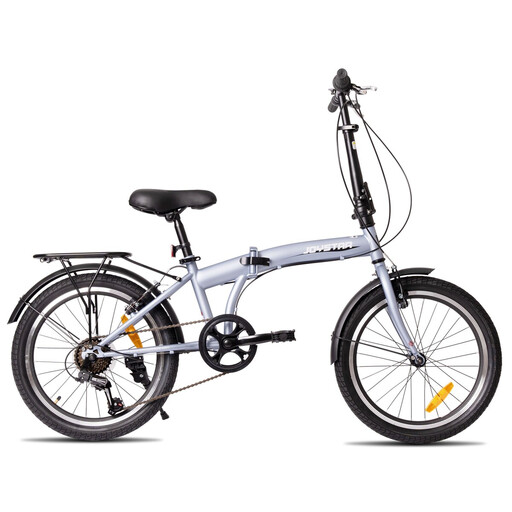
Why it stands out The JoyStar Super is a no-nonsense folding bike that focuses on the essentials: reliability and ease of use. Without electric components, it's a relatively lightweight and low-maintenance model, ideal for the daily routine.
Pros
Who is it for? For the commuter looking for a simple, effective folding bike for the last leg of their journey. It's also an excellent choice for recreational users who want an affordable and reliable bike for holidays.
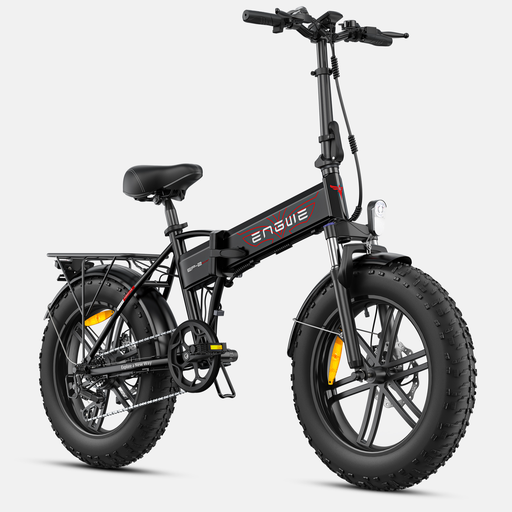
Why it stands out This fat bike folding bike is designed for comfort and versatility. Its extra-wide tires effortlessly absorb bumps in the road, from city cobblestones to gravel paths in the countryside.
Pros
Who is it for? For the rider who prioritizes comfort and doesn't want to be limited to smooth asphalt. Ideal for rides in historic city centers, on unpaved paths, or for anyone simply looking for a robust and stable electric folding bike.

Why it stands out The DYU D3S is the epitome of compactness. With its 14-inch wheels and minimalist design, it's one of the easiest electric folding bikes on the market to store.
Pros
Who is it for? For the city dweller with very limited storage space. Perfect for those who frequently need to take their bike on the bus or metro, or for anyone looking for an ultra-compact solution for short, quick trips.
These recommendations represent just a small fraction of the available options. Everyone has different needs, whether you're looking for more gears, a different frame type, or a specific color.
If your ideal model isn't listed here, check out our full collection. There you'll find a wide selection of models to compare.
View All Our Folding Bikes Here
Yes, in the Netherlands, a fully folded folding bike can be taken on the train for free. It is considered hand luggage. This means you don't need to buy a separate bike ticket, making it a very cost-effective solution for commuters.
The main disadvantages are related to the compact design. The smaller wheels can feel less comfortable on very uneven terrain compared to those of a regular bike. Additionally, the folding mechanism can add extra weight and requires periodic maintenance to continue functioning smoothly.
A lightweight folding bike without electric assistance typically weighs between 10 and 15 kilograms. Electric models are heavier due to the motor and battery, usually weighing between 20 and 28 kilograms. The exact weight depends on the materials (aluminum is lighter than steel) and the components used.
