
Vandaag of morgen in huis

Kwaliteit gegarandeerd
Download de app
Categorieën

A foldable wagon might seem like a simple purchase, but the wrong choice can quickly lead to frustration. Imagine wheels getting stuck in the sand, a frame buckling under the weight of camping gear, or a model that's still awkwardly large when folded. A poor purchase is a waste of money and storage space.
This article will help you make an informed choice. We'll discuss the key specifications to look for and highlight two functional models based on their technical parameters.
To choose the right wagon, it's important to look beyond just the colour or price. The following specifications determine whether a model is suitable for your needs.
These two terms are often confused, but they mean different things:
Ensure the load capacity and volume match what you intend to transport. For heavy camping equipment, a high load capacity is crucial.
The type of wheels determines where you can use the wagon.
The durability of a wagon depends on the materials used.
A foldable wagon should be easy to fold and unfold. Pay attention to its size when folded; will it fit in your car boot or shed? Additionally, there are different types of handles. An integrated push-pull handle offers more flexibility than a standard pull handle.
Below are two recommendations, selected based on their technical specifications and intended use.
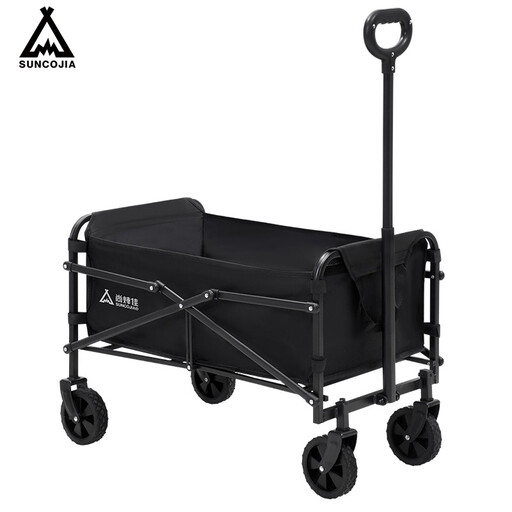
Why this product This model is a practical and versatile foldable wagon. With a load capacity of 100 kg and a volume of 170 litres, it's a solid choice for general use. The frame is made of cold-rolled iron and the liner of 600D Oxford fabric. The PVC swivel wheels make the cart manoeuvrable on paved surfaces.
Benefits (based on specifications)
Who is this for? Families looking for a reliable wagon for day trips, grocery shopping, or transporting sports equipment. It's an excellent choice for use in and around the city, on campsites with paved paths, and for picnics in the park.
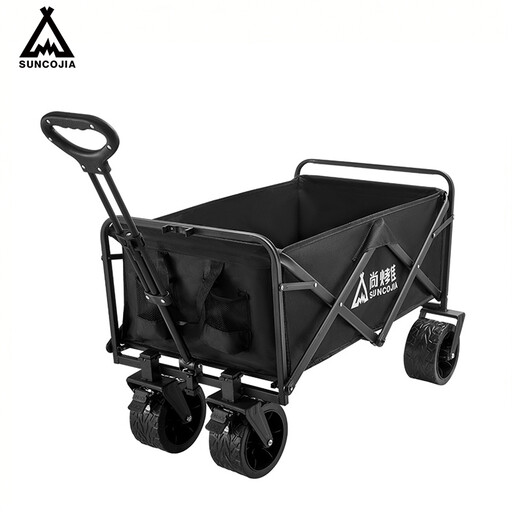
Why this product This model is designed for more challenging conditions. Its key features are the wide off-road wheels with shock absorption and the very large 350-litre volume. The carbon steel frame is engineered for heavy loads. This makes it a suitable camping wagon and beach wagon.
Benefits (based on specifications)
Who is this for? Active families, campers, beachgoers, and festival attendees who need a wagon with large wheels that won't get stuck on unpaved surfaces. Its enormous volume makes it ideal for anyone who needs to transport a lot of gear.
If a foldable wagon isn't the perfect solution for your situation, or if you're looking for a more compact or lighter model for specific tasks, there are several alternatives that might better suit your needs.
For lighter transport jobs, such as moving crates, shopping bags, or small luggage in an urban environment, you might also consider our range of Lightweight Trolleys. These models are often even more compact and lighter than a wagon.
1. What is the difference between load capacity and volume? Load capacity is expressed in kilograms (kg) and indicates how much weight the wagon's structure can support. Volume is expressed in litres (L) and indicates how much space is available inside the liner. For example, a wagon can have a high load capacity for heavy, compact items (like bottles of water), or a large volume for light, bulky items (like sleeping bags).
2. Are all foldable wagons suitable for the beach? No. An effective beach wagon needs wide off-road wheels. Standard, narrow wheels will sink into loose sand, making the wagon very difficult to pull. When buying a beach wagon, pay close attention to the wheel specifications.
3. How do I maintain a foldable wagon? Basic maintenance is recommended for a longer lifespan. Clean the frame and wheels with a damp cloth after use to remove dirt and sand, especially after a day at the beach. Ensure the wagon is completely dry before folding and storing it to prevent rust. The fabric liner, if removable, can often be cleaned with mild soap and water.