
Vandaag of morgen in huis

Kwaliteit gegarandeerd

Welkomstaanbiedingen ontgrendelen: GRATIS bezorging | Tot 80% korting | Gratis 30 dagen JoyPlus-proefperiode
Download de app
A day at the beach, a weekend camping trip, or a visit to a festival: it quickly becomes a chore lugging coolers, chairs, bags, and toys. A foldable wagon seems like the ideal solution. However, there are pitfalls that can quickly turn a helpful tool into a source of frustration. Before you make a choice, it's crucial to know what to look for to avoid buying a model that ends up collecting dust in the shed after just a few uses.
Many foldable wagons look robust at first glance, but the reality is often different. These are the three most common problems:
To make a durable and practical choice, focus on the specifications that truly matter. Don't be misled by marketing terms; look at the facts.
The type of wheels determines where you can comfortably use the wagon.
A sturdy foldable utility cart starts with the frame.
Convenience lies in the details of the folding mechanism.
Based on these criteria, we've made a selection that caters to different user profiles. Below, we highlight a model suitable for those looking for capacity and robustness.
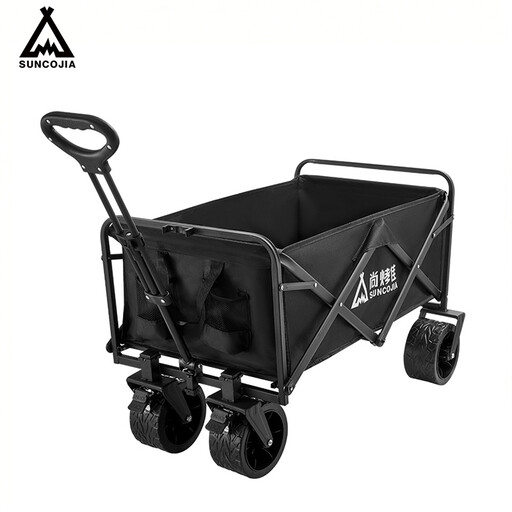
Why This Fits Their Persona: This model is designed for those who don't want to compromise. Ideal for the serious camper, large families taking a full set of gear to the beach, or for use as a robust festival wagon. Its large capacity and sturdy build also make it suitable for heavier jobs in and around the house.
The wide, shock-absorbing off-road wheels are specifically designed to not sink in sand or mud. The frame of thickened steel tubes provides a solid foundation for the claimed 200 kg static load capacity, indicating a robust construction.
Very large 350-litre cargo bed. The combination of a push and pull handle allows for flexible steering on different terrains. The Oxford fabric of the container is removable for easy cleaning.
We have compiled a complete, up-to-date list of products that meet these strict selection criteria and user requirements.
Sand and salt can damage the frame and wheels. It is advisable to rinse the frame with fresh water after use on the beach and dry it thoroughly to prevent rust. The fabric container can be detached on most models. It's best to clean it with a damp cloth and mild soap. Always check the manufacturer's maintenance instructions.
The difference often lies in the quality of the materials. More expensive models typically use thicker steel frames, sturdier wheel mounts, and more durable fabric. As a result, they not only have a higher static load capacity but are also much more resistant to the dynamic load of rolling over uneven terrain. A cheaper wagon might be fine for light groceries on a flat surface, but for a camping wagon that needs to be fully loaded over grass and gravel, investing in quality pays off.
This varies greatly by model. Therefore, always pay close attention to the folded dimensions listed in the product details. Compare these with the available space in your trunk. Some wagons fold flatter, while others are narrower but taller. A compactly folding wagon is essential if you have limited storage space.
