
Vandaag of morgen in huis

Kwaliteit gegarandeerd

Welkomstaanbiedingen ontgrendelen: GRATIS bezorging | Tot 80% korting | Gratis 30 dagen JoyPlus-proefperiode
Download de app
Foldable UV400 sunglasses may seem like a straightforward purchase at first. But there are clear differences in fit, hinges, lens coatings and ease of use. A pair that looks compact online may turn out to be too large, scratch easily or feel awkward when you’re driving.
Joybuy Product Recommendation Officer helps you look beyond marketing claims and focus on features you can check. That way, you can choose sunglasses for travel, everyday wear, cycling or driving that suit your needs.
The UV400 label indicates protection against ultraviolet light up to 400 nanometres. Also check whether the product description clearly states the type of lens used and what information is available about compliance. Dark lenses without clear information about UV protection aren’t a sensible choice for sunny conditions.
It’s also worth noting the difference between UV protection and reduced glare. Anti-reflective sunglasses can reduce reflections, but that doesn’t automatically mean the lenses are polarised.
Foldable sunglasses save space, but fit is still important. Check at least:
An oversized style can offer plenty of coverage, but may sit less securely on a narrower face. Cat-eye sunglasses often have a different shape from Boston-style sunglasses.
TR90 is a flexible plastic often used for lightweight sunglasses. On its own, that doesn’t tell you anything about the fit or durability of an individual style. Check the overall weight, nose pads and finish of the arms.
According to Beneunder’s product descriptions, various styles have TR90 frames, nylon lenses and specific nose or temple supports. Treat this as product information, not a guarantee that every wearer will have the same experience.
If you’re looking for compact sunglasses to keep in a handbag, coat pocket or hand luggage, a slim folding design and a protective case are useful. According to the product description, the Beneunder FD421 folds in three places to around 35 mm thick and weighs 26 grams. The lenses are described as nylon with a UV400 coating. The manufacturer also lists an OAR coating to reduce glare.
Always put the sunglasses away in their case and fold them gently in the intended direction. This helps prevent scratches and unnecessary strain on the hinge.
Sunglasses for driving should sit securely and not cause distracting distortion. According to the product information, an anti-reflective coating can reduce troublesome reflections, but you should also consider the lens tint and how well you can see in changing light conditions.
Don’t wear reading glasses while driving. The reading glasses on offer are designed for close-up tasks, such as reading at home or in the office. The 400D model also explicitly states that it must not be used as safety glasses or while driving.
Sports sunglasses for cycling should stay in place when you’re moving and riding in the wind. Look for rubber nose pads, non-slip sections, a wide field of vision and the lens construction. According to the product description, the Revoray X3-blue has an integrated PC lens, a TR90 frame, weighs around 30 grams and offers UV400 protection. The manufacturer describes it as suitable for road cycling, mountain biking and other strenuous outdoor activities.
Regular foldable sunglasses aren’t automatically suitable for sport. Check whether the product is specifically described as suitable for active use.
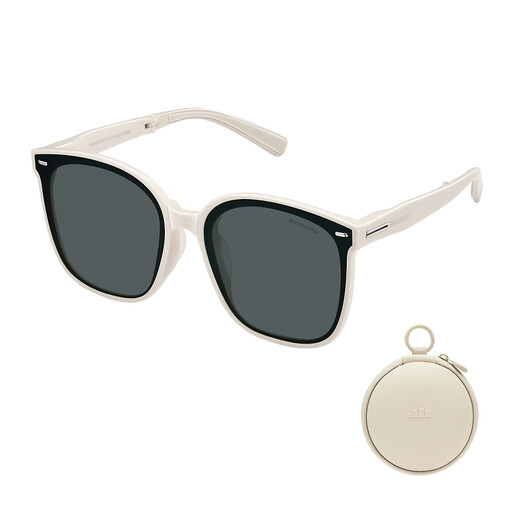
Why it suits this profile: A practical style for everyday wear, commuting and travel when you’re after a bold oversized frame.
The product information gives both the weight of 26 grams and the folded thickness of around 35 mm. This makes it easy to assess how portable they are.
TR90 frame, nylon lenses, UV400 coating and a design that folds in three places. Available in several colours.
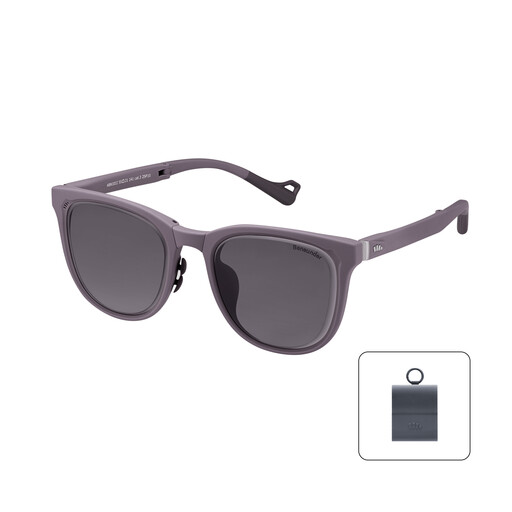
Why it suits this profile: For anyone looking to pair classic Boston-style sunglasses with adjustability and a foldable design.
The description lists the frame width, lens measurements, arm length and folded thickness. This makes it easier to compare the fit with other styles.
TR90 frame, nylon lenses, UV400 protection and, according to the manufacturer, OAR, oil-repellent and scratch-resistant coatings.
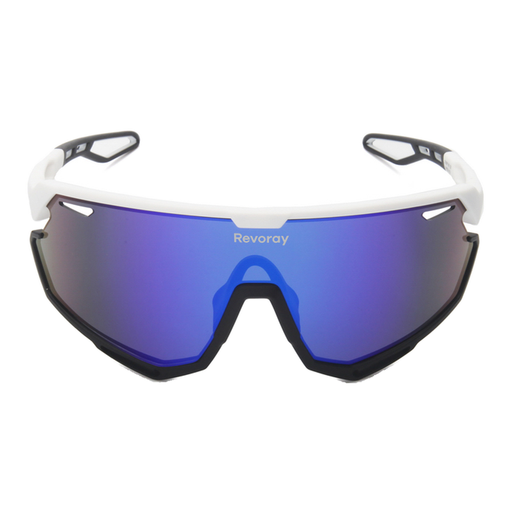
Why it suits this profile: Designed for cyclists looking for a secure fit, a wide field of vision and lenses suited to active use.
The product is specifically described as suitable for cycling and other outdoor activities. The specifications list a PC lens, rubber nose pads and non-slip arms.
TR90 frame, integrated PC lens, around 30 grams and, according to the manufacturer, UV400 protection.
We’ve put together a complete, up-to-date list of products that meet these strict selection criteria and the applicable European safety regulations.
For the office, home or reading on the go, you can choose reading glasses, prescription reading glasses or half-frame reading glasses. The available half-frame styles include 250D, 300D, 350D and 400D. Don’t choose the strength based on appearance alone: check which strength you actually need, and don’t wear reading glasses while driving.
Half-frame glasses can be useful if you switch between looking at paper and looking around you. A full frame generally offers more lens coverage. If you’re unsure about your vision or the strength you need, it’s better to seek personal advice from an optician than to order several strengths at random.
UV400 is a relevant product specification for protection against UV rays up to 400 nanometres. Also check the product information, compliance details and lens category. UV400 doesn’t automatically tell you anything about polarisation, colour rendering or suitability for every driving situation.
Their lifespan depends on the hinge and how you fold and store them. Fold them gently, don’t leave them loose in a bag, and clean the lenses with a soft microfibre cloth. Avoid heat, heavy pressure and harsh cleaning products. Coatings can also wear or scratch, even if the frame is still in good working order.
That depends on the lenses, fit and lighting conditions. Choose a style that sits securely and doesn’t obstruct your vision. According to the product description, an anti-reflective coating can help reduce glare, but it doesn’t replace checking whether the glasses are suitable for driving. Reading glasses aren’t designed for driving.
