
Vandaag of morgen in huis

Kwaliteit gegarandeerd

Welkomstaanbiedingen ontgrendelen: GRATIS bezorging | Tot 80% korting | Gratis 30 dagen JoyPlus-proefperiode
Download de app
Foldable UV400 sunglasses may seem like a straightforward purchase at first. However, models can vary considerably in comfort, hinges, lens coatings and size. A pair that looks compact in the shop may disappoint in everyday use if it scratches easily, doesn’t fit well or lets too much glare through.
Joybuy Product Recommendation Officer selects products based on verifiable specifications. So don’t focus only on colour or shape: pay particular attention to the features that suit how you’ll use them in the UK, whether you’re driving, travelling, walking or cycling.
UV400 refers to protection against ultraviolet light up to 400 nanometres. It’s an important buying criterion, but the term alone doesn’t tell you everything about lens colour, fit or optical quality. Check that the product information clearly states what type of protection is offered and whether the information comes from the manufacturer.
According to the product information for the Beneunder models, the lenses block at least 99.8% or 99.9% of UV radiation. These are manufacturer claims, not independent findings. Use the sunglasses for their stated purpose and check the product listing for the latest details.
TR90 is a lightweight plastic often used for flexible frames. This can make lightweight sunglasses more comfortable and easier to pack in a bag. However, it doesn’t mean the frame can be bent without limit.
With a folding model, the hinges are particularly important. Fold the sunglasses gently in the intended direction and don’t force the arms. A protective case can also help prevent pressure and scratches while you’re travelling.
Anti-reflective sunglasses can reduce distracting reflections on or around the lens. Polarised lenses work differently: they’re designed to filter certain reflections, such as those from wet roads or water. So not every pair of sunglasses with an OAR anti-reflective coating is automatically polarised.
Less glare can be helpful when driving, but always check that you can still see traffic lights, screens and your dashboard clearly. Polarised cycling glasses are particularly worth considering if you often ride in bright light or alongside water and wet roads.
Choose sunglasses with UV400 protection if protection from UV radiation is an important criterion for you. Also check the lens material. Nylon lenses are lightweight; polycarbonate lenses are often used in sports models because of their impact resistance, according to the product information.
Be aware of the difference between a technical product claim and a statutory certification. Claims such as ‘100% UV400’ or ‘glare reduction’ should be treated as information from the brand, unless an independent standard or test is clearly stated.
A pair of sunglasses weighing around 26 grams will generally feel lighter during prolonged wear than a heavier model. The size when folded is just as important. According to the manufacturer, the Beneunder FD421 folds down to around 35 mm thick. That makes it practical for a jacket pocket, small handbag or hand luggage.
Compact sunglasses are especially useful if you don’t wear them all day but want them close to hand. Check the frame width, too. An oversized style may offer more coverage, but won’t suit every face.
Check the frame width, bridge and arm length before ordering. Cat-eye sunglasses can look wider because of their upturned corners. A Boston shape has a rounder silhouette and is often easier to pair with different styles of clothing.
For cycling, non-slip nose pads, sturdy arms and a well-fitting lens shape are more important than a folding design. Sports sunglasses for cycling should stay in place while you move. If you’ll be using them intensively, also check which impact or safety standard is mentioned in the product information.
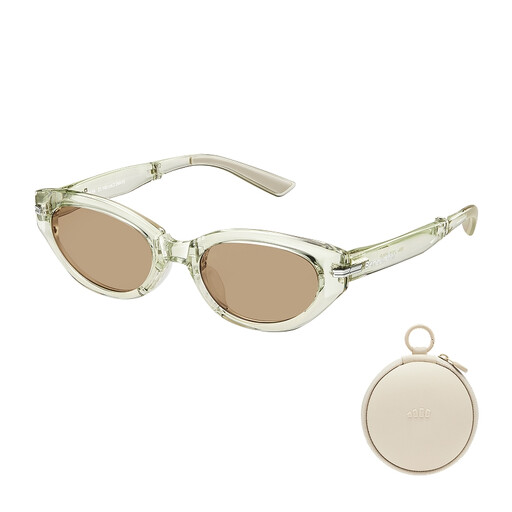
Why it suits this profile: A practical option for everyday wear, commuting and travelling. The cat-eye shape adds a touch of style without requiring you to carry a large frame.
The specifications list UV400 lenses, OAR anti-reflective coating, flexible hinges and soft nose and arm pads. This gives you more to go on than just the frame colour.
TR90 frame, UV400 nylon lenses, foldable design and five-point elastic hinges.
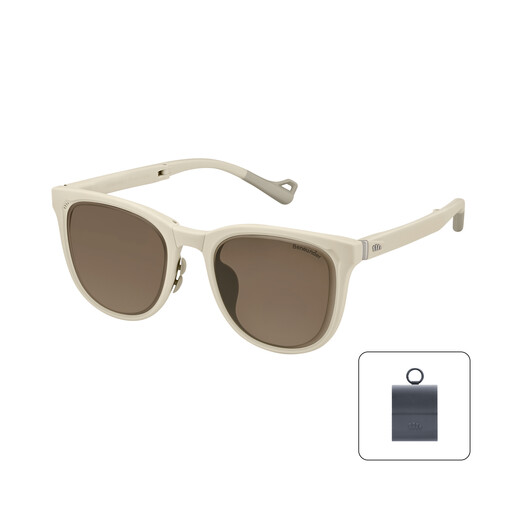
Why it suits this profile: A good choice if you value a classic shape, adjustability and multiple lens coatings for everyday wear.
The product information lists adjustable arms, double nose pads, and OAR, oleophobic and scratch-resistant coatings. This gives you more specific details than a general claim about comfort.
Boston silhouette, TR90 frame, true-colour nylon lenses and a weight of around 27.5 grams, according to the product specifications.
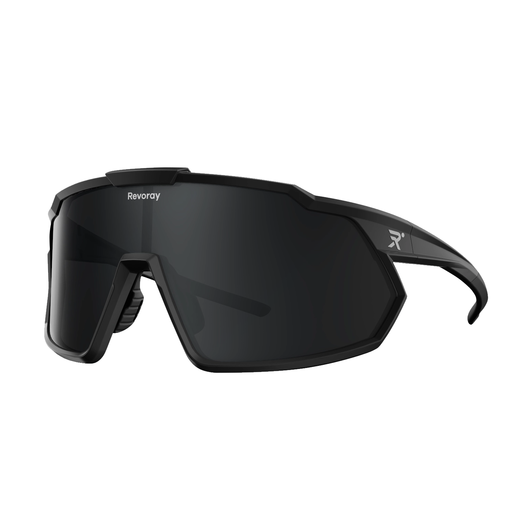
Why it suits this profile: Designed for road cyclists and other riders who need stability, polarised lenses and a sporty fit.
According to Revoray, these glasses have TAC polarised lenses, adjustable silicone nose pads and an ANSI Z87.1 reference. Check the current product listing for details of their intended use.
Around 33 grams, UV400 protection according to the product information, a water- and oil-repellent coating and non-slip details.
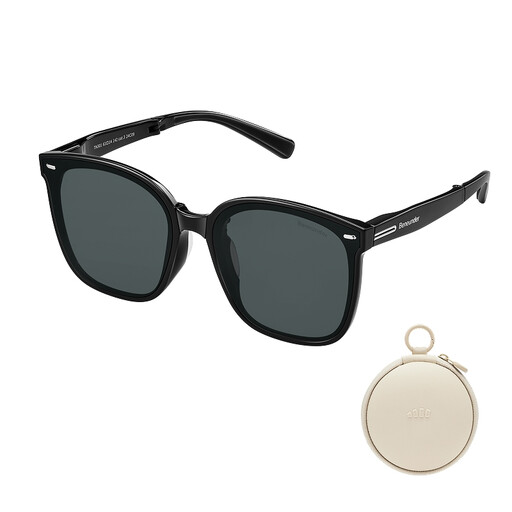
Why it suits this profile: A roomy pair of oversized sunglasses for driving, holidays and anyone who wants a statement frame that’s easy to pack away.
The model combines a stated weight of 26 grams with a frame that folds in three. So you don’t have to choose between a larger frame and easy storage.
TR90 frame, nylon lenses, UV400 protection according to the manufacturer, OAR anti-reflective coating and a folded thickness of around 35 mm.
We’ve put together a complete, up-to-date list of products that meet these strict selection criteria and the applicable European safety regulations.
They can be, provided they fit securely and you can see traffic lights, mirrors and your dashboard clearly. According to the product information, an anti-reflective coating may help reduce reflections, but the effect varies by model and lighting conditions. Never try out sunglasses while driving if they don’t feel comfortable to see through straight away.
Their lifespan depends on the hinges, coatings, use and storage. Fold them open and closed gently, touch the lenses as little as possible and keep them in a case. Clean them with water or a soft microfibre cloth. Avoid high temperatures, heavy pressure and harsh cleaning products.
No. Polarisation and UV400 describe different features. Polarisation refers to filtering certain reflections; UV400 refers to protection against UV radiation up to 400 nanometres. Cycling glasses can have both features, but always check the individual product specifications.
