
Vandaag of morgen in huis

Kwaliteit gegarandeerd

Welkomstaanbiedingen ontgrendelen: GRATIS bezorging | Tot 80% korting | Gratis 30 dagen JoyPlus-proefperiode
Download de app
Foldable UV400 sunglasses are handy to keep in the car, bike bag, handbag or suitcase. But a compact design tells you little about the quality of the lenses, wearing comfort or frame durability. Marketing terms such as “HD”, “anti-glare” and “flexible” sound appealing, but it’s worth knowing what specifications actually lie behind them.
As a Joybuy Product Recommendation Officer, I filter product information for verifiable features. Below, you’ll find what to look for before buying lightweight sunglasses, folding sunglasses or compact travel sunglasses.
The UV400 label refers to protection against ultraviolet light up to 400 nanometres. Check that this is stated explicitly in the product description. Dark lenses without a UV specification aren’t automatically a safe choice for sunny conditions.
The models below list UV400 in their product specifications. Claims about the percentage of UV radiation blocked come from the manufacturer’s product information, so they should be treated as brand claims rather than independently verified results.
Anti-glare sunglasses can reduce reflections with a coating, but that’s not the same as polarisation. An anti-reflective coating can be useful in bright light and around reflective surfaces. If you’re looking for sunglasses for driving, you should also consider the fit, clear vision and any information about the lens category.
According to Beneunder’s own product specifications, the OAR coating is designed to reduce reflections or glare. This may make viewing more comfortable, but it’s no substitute for a good driving position, clean car windows or extra care in changing light conditions.
A slim frame can be damaged more easily if you force it open, leave it loose in a bag or clean the lenses when they’re dirty. So pay attention to the material, hinges and recommended care. A protective case and microfibre cloth are practical accessories for everyday use.
First, look at the combination of:
Nylon lenses can be lightweight and, in some models, are combined with a protective coating. According to Beneunder’s product specifications, the lenses on the FD421 block at least 99.9% of UV radiation. The FD315 is listed as blocking at least 99.8%. These percentages come from the manufacturer’s description.
An anti-reflective coating can help reduce distracting reflections. A scratch-resistant coating helps protect against everyday wear, but it doesn’t make a lens scratch-proof. So don’t place your sunglasses lens-side down on a table, and keep them in the supplied case where possible.
The Boston-style FD01h lists several coatings, including OAR anti-reflective, oleophobic protection against fingerprints and scratch resistance. Always check the current product page for contents, availability and any colour differences.
A lightweight frame is comfortable if you wear your sunglasses for several hours. According to the product specifications, the Beneunder FD421 weighs 26 grams and folds down to a thickness of around 35 millimetres. The frame width is approximately 5.71 inches, or around 14.5 centimetres.
Also consider:
Oversized sunglasses offer more protection from incoming light, but may feel too wide on a narrower face. If possible, measure a pair of glasses you already own that fits comfortably.
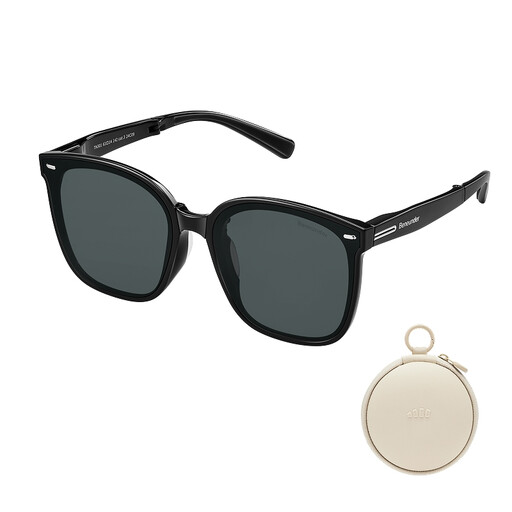
Why it suits this profile: A practical choice for everyday wear, commuting and travel if you’re looking for oversized sunglasses with a compact folding design.
The product specifications list UV400, an OAR anti-reflective coating and a specific weight of 26 grams. That means you don’t have to rely on vague marketing terms alone.
TR90 frame, nylon lenses, tri-fold design and a stated folded thickness of 35 millimetres.
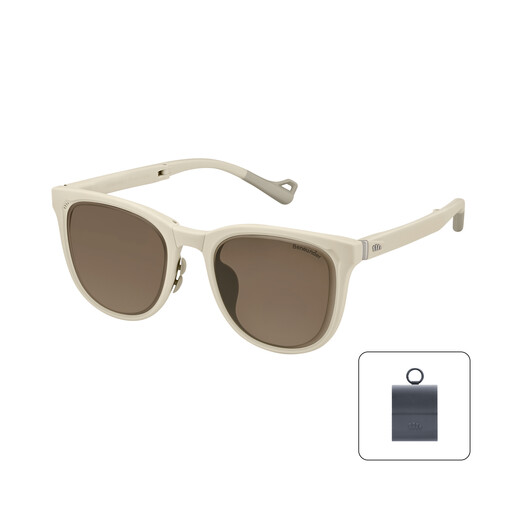
Why it suits this profile: A good choice if you value a classic shape, multiple lens coatings and an adjustable fit.
The description lists not only UV400, but also anti-reflective, oleophobic and scratch-resistant coatings. The three adjustable arm positions help you get the right fit.
TR90 material, true-colour nylon lenses, adjustable arms and a stated weight of around 27.5 grams.
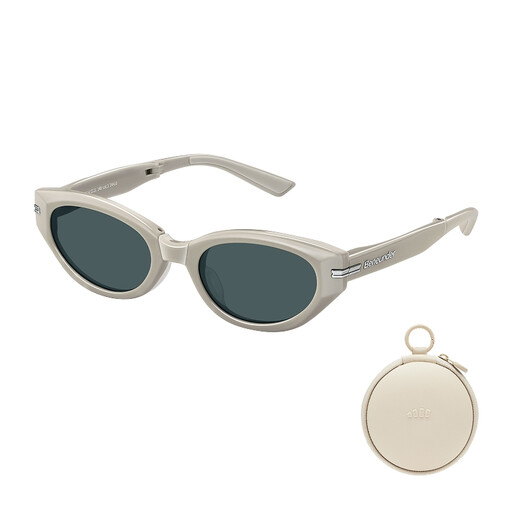
Why it suits this profile: An option for everyday wear, driving and outdoor activities if comfort around the nose and a flexible hinge matter to you.
The product information lists air-cushion nose pads, soft arms and five-point elastic hinges. That’s more specific than simply calling the sunglasses “comfortable”.
We’ve put together a complete, up-to-date list of products that meet these strict selection criteria and current European safety requirements.
A coating can wear away if cleaned incorrectly. Even scratch-resistant sunglasses benefit from careful handling.
UV400 is an important specification for protection against ultraviolet light up to 400 nanometres. Also check the fit, lens colour, lens category and information about intended use. UV400 alone doesn’t tell you anything about anti-glare properties, polarisation or suitability for every lighting condition.
They can be practical, particularly because they’re lightweight and easy to store. Make sure the frame fits well, doesn’t restrict your vision and is described as suitable for the intended use. According to the manufacturer, an anti-reflective coating can reduce reflections, but it doesn’t guarantee better visibility in every driving situation.
Lifespan depends on the hinges, coatings, storage and how often you use them. According to the product specifications, a TR90 frame is flexible, but this material can still be damaged by forceful folding or prolonged exposure to heat. Storing your sunglasses in a case and cleaning the lenses properly will help prevent unnecessary wear.
