
Vandaag of morgen in huis

Kwaliteit gegarandeerd

Welkomstaanbiedingen ontgrendelen: GRATIS bezorging | Tot 80% korting | Gratis 30 dagen JoyPlus-proefperiode
Download de app
At first glance, choosing foldable UV400 sunglasses seems straightforward. However, models can vary considerably in lens quality, fit and comfort. For example, a pair that folds down small may be fragile. And a dark lens doesn’t automatically mean the sunglasses offer enough UV protection.
As Joybuy Product Recommendation Officer, I check product information for verifiable features. This helps you quickly see which specifications matter for driving, travelling and everyday outdoor use.
The tint of a lens tells you very little about its UV filter. So check whether the product information explicitly states UV400 or an equivalent UV specification. If a listing is unclear, it can be difficult to assess the protection objectively.
According to Beneunder’s product information, the FD421 models have a UV400 coating. The brand also states, based on its own product information, that the lenses block at least 99.9% of UV radiation. This is a claim made by the brand, not an independent measurement in this article.
Sunglasses that reduce glare can be useful around water, on wet roads or in bright sunlight. However, you should check what type of technology they use. Polarisation and an anti-reflective coating are not the same thing. Polarisation filters certain distracting reflections, while a coating can reduce reflections from the lens surface.
When driving, it’s also important that the lenses aren’t so dark that road signs, dashboard information or shaded areas become harder to see. Don’t wear sunglasses in low light or in tunnels if they reduce your visibility.
Foldable sunglasses are handy for a handbag, jacket pocket or luggage. But check the hinge, folding direction and included protection too. Frequent folding and unfolding can cause wear if you handle the sunglasses incorrectly.
According to the product description, the Beneunder FD421 has a tri-fold design. When folded, it is said to be about 35 mm thick and weigh 26 grams. These are verifiable product specifications, but it’s still important to fold the sunglasses carefully and store them in the included case.
Look for a clear mention of UV400 protection. This refers to protection against UV radiation up to 400 nanometres. Also check whether the seller provides information about the relevant European product and safety requirements.
A UV-protective lens isn’t necessarily polarised. If you’re mainly bothered by reflections from car windows, water or wet tarmac, you could also look for polarised sunglasses. According to the product information, the Xiaomi Polarized Fitover Sunglasses are designed to be worn over prescription glasses and have polarised lenses. The listing mentions UV protection, but doesn’t give a specific UV400 rating. Bear this in mind when comparing options.
Lightweight sunglasses are generally more comfortable on long walks, cycle rides or trips. TR90 is a plastic material often used for flexible, lightweight frames. Don’t just look at the material name: check the weight and dimensions too.
According to the listed specifications, the Beneunder FD421 weighs 26 grams. Its frame is made from TR90, and its nylon lenses have a UV400 coating. The frame is about 5.71 inches wide, or approximately 14.5 cm. Measure a pair you already own to see whether the oversized design will suit your face.
Oversized sunglasses cover more of your face, but may be too wide if you have a narrow face. So check the bridge width, lens height and arm length. For driving, the frame should stay securely in place without unnecessarily restricting your peripheral vision.
If you wear prescription glasses, you could consider a fit-over style. For sport and frequent outdoor use, a sturdy case, replacement lenses and a secure, non-slip fit are practical advantages. Always check the product page for the exact contents of the pack.
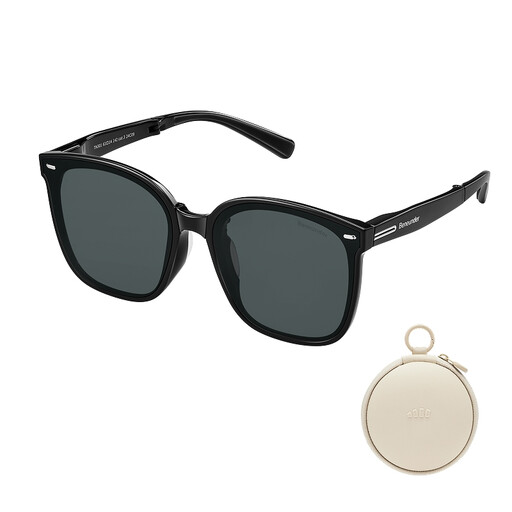
Why it suits this profile: A practical choice if you’re looking for lightweight, stylish sunglasses that pack neatly into a jacket pocket or luggage.
The listing mentions both UV400 and an anti-reflective coating, and gives the weight and folded thickness. This means you can check the key claims before buying.
26 grams, TR90 frame, tri-fold design and a stated folded thickness of around 35 mm.
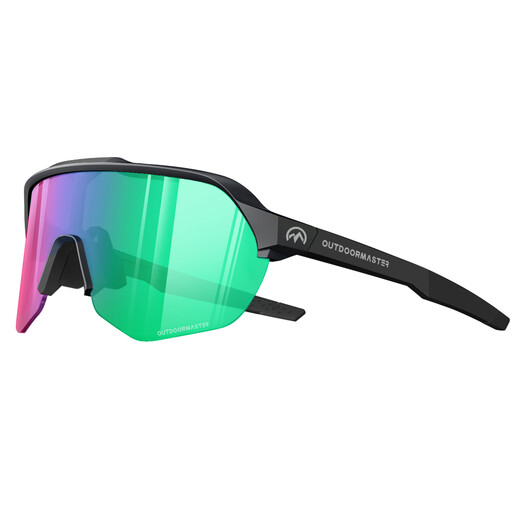
Why it suits this profile: Designed for adults who want one pair of sunglasses for sport, outdoor activities and daytime driving.
The product information mentions polarised HD lenses, a TR90 frame and UV400 protection. According to the brand’s own product information, the lenses block 100% of the stated UV400 radiation.
Polarised lens, TR90 frame, included clear replacement lens and hard storage case.

Why it suits this profile: Designed for glasses wearers who want to wear sunglasses over their prescription glasses when travelling and enjoying outdoor activities.
The product description clearly states that this is a fit-over style with polarised lenses. Before buying, check the size and make sure there’s enough room to wear them over your prescription glasses.
Fit-over design, polarised lenses and a lightweight plastic frame, according to the product information.
We’ve put together a complete, up-to-date list of products that meet these strict selection criteria and the applicable European safety requirements.
No. Polarisation reduces certain reflections, but doesn’t tell you what UV protection the lens offers. Look for a separate mention of UV400 or a comparable specification.
They can be, as long as they fit securely and the lenses provide enough visibility for the conditions. Avoid very dark lenses in tunnels, at dusk and in low light. Sunglasses shouldn’t restrict your view of traffic or road signs.
Fold both sides of the sunglasses in gently, touch the lenses as little as possible and use a soft microfibre cloth. Store them in a cover or case. Don’t use a rough cloth or harsh cleaner, as it may damage the coating. Check the hinges and lenses regularly for damage before wearing them.
