
Vandaag of morgen in huis

Kwaliteit gegarandeerd

Welkomstaanbiedingen ontgrendelen: GRATIS bezorging | Tot 80% korting | Gratis 30 dagen JoyPlus-proefperiode
Download de app
A foldable tote bag might seem simple: lightweight material, a spacious compartment and the ability to fold it away when you’re not using it. But models can vary considerably in comfort, capacity and durability. A small shopping bag needs different features from a roomy travel or moving bag.
Look out for these three common pitfalls:
Read on to find out which specifications matter and which type of bag suits your needs.
Don’t just look at the highest litre capacity. Check the standard capacity, the dimensions of the base and how the bag expands.
A large foldable bag with a 140-litre capacity is suitable for lots of clothing, bedding or lightweight moving items. However, it may be awkward for everyday use. A 16-litre bag is better suited to shopping, commuting or keeping in your suitcase as an extra bag. A model with a capacity of 20 to 35 litres is a good middle ground for a weekend away, sports kit or a day trip.
Also check:
A sturdy shopping bag needs more than thick-looking fabric. Check for reinforced stitching, how the handles are attached and how the bag is designed to be carried. Wide shoulder straps can make it more comfortable to carry for longer periods.
For example, the Beneunder LC167 has a stated load capacity of up to 50 kg and reinforced stitching. This is a manufacturer’s specification; it doesn’t mean you should always load the bag to that weight. Heavy contents can put extra strain on the zip, seams and shoulders. So, distribute the weight as evenly as possible.
A lightweight tote bag weighing around 64 grams is easy to carry, but it’s designed for different uses from a model weighing around 398 grams with a much larger capacity.
A water-resistant bag can be useful for travelling, cycling and picnics. Some product descriptions state that models can resist water, oil, stains or light rain. Think of this as protection against splashes and brief exposure, not a guarantee that the contents will stay dry in a prolonged downpour.
Check the care instructions. For the Beneunder models mentioned here, cleaning with a damp cloth and air-drying are recommended. According to the product information, avoid machine washing, harsh cleaning products and prolonged exposure to high heat or direct sunlight. This helps prevent unnecessary wear to the fabric and coating.
The selection below is based on verifiable details such as capacity, weight, carrying style and how the bag folds away. The models aren’t all designed for the same purpose.

Why it suits this profile: With a 16-litre capacity and a weight of around 64 grams, this is an accessible option for shopping, everyday use and carrying as an extra bag when you’re out and about.
The standard capacity is clearly stated, and the bag folds away into a compact storage pouch. This makes its capacity clearer than that of a model which only lists a maximum capacity.
16-litre capacity, wide shoulder straps, foldable design and a low stated weight of around 64 grams.
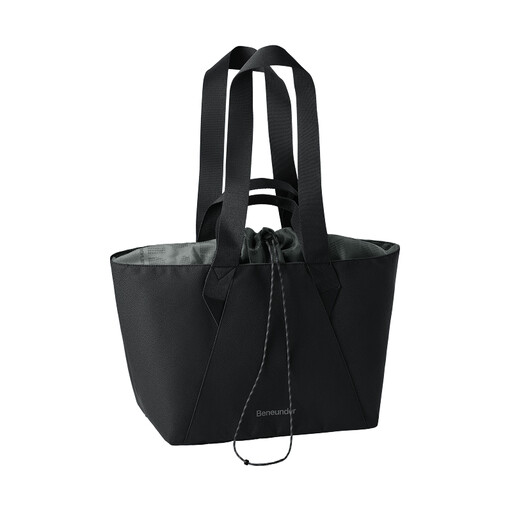
Why it suits this profile: The LC168 combines a standard capacity of 20 litres with an expanded capacity of 35 litres. It’s a good fit for travellers and families looking for flexibility without having to carry a very large bag.
The two expansion options make it clear how the bag can switch between everyday use and extra luggage space. The bag isn’t judged on its maximum capacity alone.
20 to 35-litre capacity, around 220 grams, wide straps for carrying by hand or on your back, and an internal divided pocket.
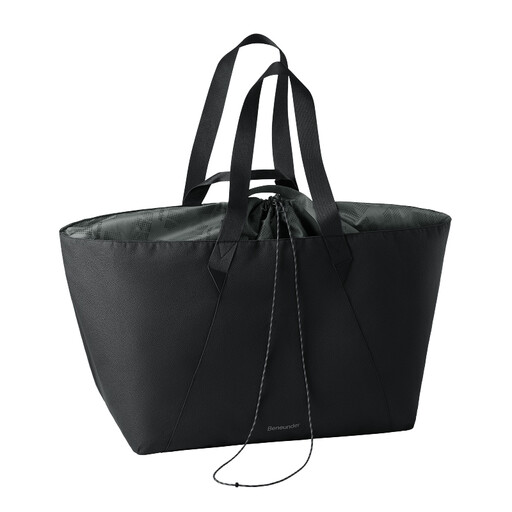
Why it suits this profile: This expandable bag is designed for long trips, moving house or carrying bulky, relatively lightweight items. According to the product specifications, its capacity expands from 75 to 140 litres.
The bag lists its standard and expanded capacities, weight and stated load capacity. This lets you assess its capacity and load separately.
75 to 140-litre capacity, around 398 grams, several internal pockets, wide carrying straps and water-resistant fabric according to the product information.
We’ve put together a complete, up-to-date list of products that meet these strict selection criteria and the applicable European safety regulations.
That depends on its capacity and straps. A model with a capacity of 20 to 35 litres could work for a short trip or as extra luggage. For longer journeys, an expandable bag with a capacity of 75 to 140 litres offers more space, but check your carrier’s baggage rules beforehand.
Its lifespan depends on the weight it carries, how often it’s used, its seams and how it’s cared for. Avoid regularly overloading it, carrying sharp objects and exposing it to heat for long periods. Follow the care instructions and leave a damp bag to air-dry completely.
A large model can be handy for clothing, bedding and other non-breakable items. Distribute the weight, and use a suitable moving box for heavy or sharp objects. A stated load capacity is a product specification, not an invitation to fill the bag to its limit.
