
Vandaag of morgen in huis

Kwaliteit gegarandeerd

Welkomstaanbiedingen ontgrendelen: GRATIS bezorging | Tot 80% korting | Gratis 30 dagen JoyPlus-proefperiode
Download de app
Foldable sunglasses with UV400 may seem like a straightforward purchase at first. However, there are clear differences in fit, lens coatings, hinges and portability. A pair that looks good in a product photo may turn out to be too large, scratch easily or feel awkward when you’re driving.
The main pitfalls to watch out for are:
The UV400 label refers to protection against ultraviolet light up to 400 nanometres. Check that this specification is clearly stated in the product description. According to the product information, Beneunder lists a UV400 coating on the nylon lenses of the FD421. The stated percentages for UV blocking and glare reduction come from the manufacturer’s description and shouldn’t be taken as independent test results.
Sunglasses that reduce glare may also have an anti-reflective coating. This can be useful for outdoor activities and driving, but bear in mind the difference between these and polarised sunglasses. Polarisation is listed as the lens type for the Xiaomi Fitover sunglasses. The product information mentions UV protection, but doesn’t specify a UV400 rating. So if you’re specifically looking for UV400, check each product individually.
Lightweight sunglasses are particularly practical if you wear them for long periods or take them travelling. TR90 is a light, flexible plastic used in various folding frames. However, the material name alone doesn’t tell you how a pair will fit your face.
According to the product details, the Beneunder FD421 has a TR90 frame, weighs 26 grams and folds down to around 35 millimetres thick, according to the manufacturer. This makes it suitable for a coat pocket, handbag or travel case. The Beneunder FD315-CN204 also uses TR90 and, according to the product description, has soft arms and air-cushioned nose pads.
If possible, measure a pair of sunglasses you already find comfortable. Compare the frame width, lens height and bridge width with the details on the product page. Oversized sunglasses cover more of your face, but may slip if you have a narrow face. Cat-eye sunglasses often have a distinctive angular shape, so check that the width suits your face.
For sunglasses for driving, clear vision, minimal distracting reflections and a secure fit all matter. Dark lenses aren’t automatically more suitable. In bright conditions, choose a pair with clear lens information and make sure it doesn’t slip when you turn your head.
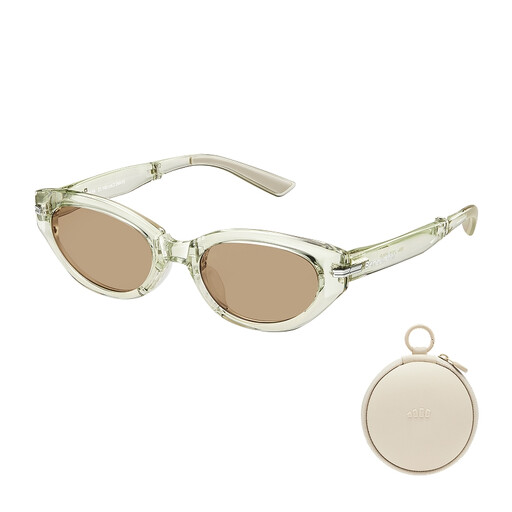
Why it suits this profile: An accessible choice for everyday wear, with a distinctive cat-eye shape and a frame that isn’t bulky or heavy. The product information lists UV400 lenses, TR90 and a folding design.
The product details list the lens material, UV400 rating and dimensions. So you don’t have to rely solely on the style or a general claim about protection.
TR90 frame, UV400 lenses, anti-reflective OAR coating and air-cushioned nose pads, according to the product description.
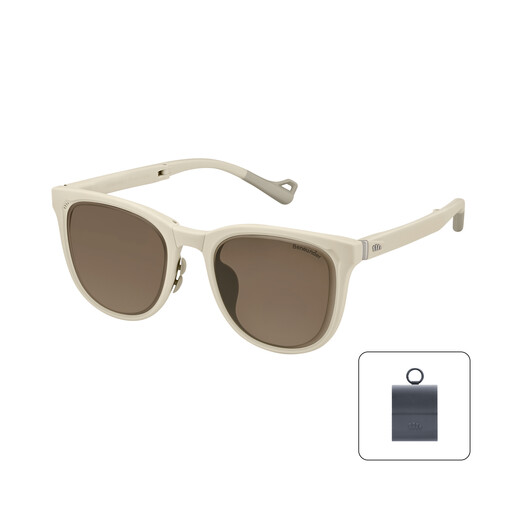
Why it suits this profile: For anyone looking to pair a classic Boston style with several adjustment options and coatings for everyday wear.
As well as UV400, the manufacturer lists anti-reflective, oil-repellent and scratch-resistant coatings in the product information. The arms can be adjusted to three positions.
TR90 frame, butterfly-shaped nose pads, a frame width of 5,79 inch and a weight of around 27,5 grams, according to the specifications.

Why it suits this profile: Designed for glasses wearers who want to wear sunglasses over their regular glasses. The fitover design is made to go over another pair, and the product information lists polarised lenses.
There’s no need to find a regular pair of glasses and sunglasses that fit well together. However, check the height and width of your own frames first.
Fitover design, plastic frame and polarised lenses, according to Xiaomi’s product details.
We’ve put together a full, up-to-date list of products that meet these strict selection criteria and the applicable European safety regulations.
No. UV400 refers to protection against ultraviolet light. Polarised lenses are designed to reduce reflections and glare. A pair can have both features, but check the product information for each one separately.
They can be, as long as they stay in place and the lenses don’t cause distracting distortion. According to the product description, anti-reflective coatings may help reduce reflections, but suitability also depends on light transmission, fit and personal preference. Try a new pair on a short daytime drive first.
Fold the frame gently in the intended direction and use a soft microfibre cloth to clean the lenses. Keep the sunglasses in the supplied case rather than loose in a bag. This helps reduce the risk of scratches and unnecessary strain on the hinges.
