
Vandaag of morgen in huis

Kwaliteit gegarandeerd

Welkomstaanbiedingen ontgrendelen: GRATIS bezorging | Tot 80% korting | Gratis 30 dagen JoyPlus-proefperiode
Download de app
Sunglasses that fit in a jacket pocket or small bag are handy for travelling, driving and everyday use. However, a compact design doesn’t automatically mean good protection, a comfortable fit or durability. With foldable sunglasses with UV400, lens information, hinge design and comfort are particularly important.
Marketing terms such as “HD”, “anti-glare” or “sports-grade” may sound appealing, but they’re only useful when the product specifications are clear. Read on to find out what to look for and which models suit different situations.
UV400 refers to protection against ultraviolet light with a wavelength of up to 400 nanometres. Check that this is explicitly stated in the product information. A dark lens alone isn’t proof of UV protection. The Beneunder FD421 is listed in its product specifications as having a UV400 coating, with the brand claiming it blocks at least 99.9% of UV radiation. This is a claim made by the brand, not an independent assessment.
Opening and closing sunglasses repeatedly puts stress on the hinges. So check the material and how the frame folds. TR90 is a thermoplastic material often used for lightweight frames. A lighter weight can make sunglasses more comfortable, but that doesn’t mean you should handle the frame carelessly. Fold the sunglasses in and out gently, and keep them in a protective case.
Anti-glare sunglasses may have an anti-reflective coating, while polarised lenses filter reflections differently. These are separate features. An anti-reflective coating can reduce reflections on or around the lens; polarisation is particularly useful for horizontal reflections from water, wet roads or metal surfaces. So check whether the product is specifically described as “polarised”.
Look for a clear statement of UV400 protection and check which lens material is used. Nylon, TAC and polycarbonate have different properties in terms of weight, flexibility and impact resistance. A product description may also mention a protective coating, but always check the care instructions.
Lightweight sunglasses are comfortable to wear during long days outdoors. According to the product specifications, the Beneunder FD421 weighs 26 grams and folds down to around 35 millimetres thick. The stated frame width is 5.71 inches, or approximately 145 millimetres. That’s a relatively wide fit, which may suit anyone looking for oversized sunglasses. If you can, measure a pair you already own before buying.
Also look out for:
Sunglasses with an anti-reflective coating can be more comfortable to look through when light reflects off the lens. According to Beneunder’s product information, the FD421 has an OAR anti-reflective coating. The Revoray Y1 is listed as having TAC polarised lenses and water- and oil-repellent layers. These are specifications provided by the manufacturer or seller; the experience may vary from person to person.
When driving, choose lenses that allow you to see road signs, dashboard information and other road users clearly. Don’t wear sunglasses that make your vision too dark, and always follow the rules of the road.
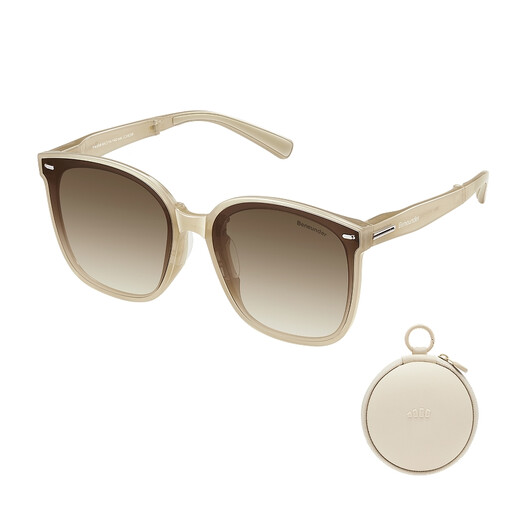
Why it suits this profile: These compact sunglasses combine a roomy oversized frame with a lightweight, foldable design. They’re a good choice for everyday wear, holidays and life on the go.
The product information lists UV400, an OAR anti-reflective coating, TR90 and a tri-fold design. This means you can check the relevant specifications instead of judging by colour or shape alone.
Weighs 26 grams, folds down to around 35 millimetres thick and comes in a choice of frame colours.
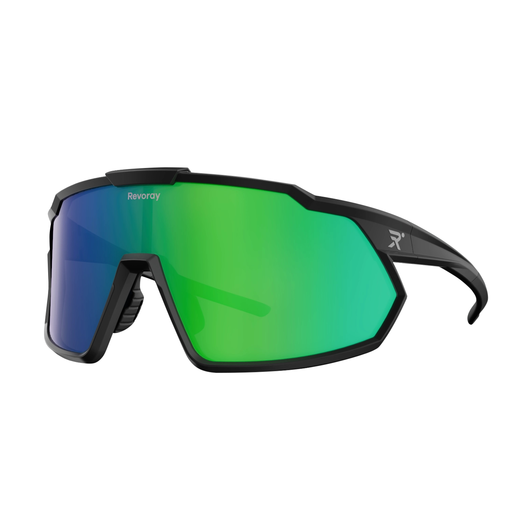
Why it suits this profile: This model is designed for people who value polarisation, a secure fit and features for cycling and other outdoor activities.
The product listing distinguishes between TAC polarisation, UV400, a water- and oil-repellent coating and a TR90 frame. The stated light transmission is approximately 15.2%, so you can decide in advance whether the lens suits your conditions.
Polarised TAC lenses, a weight of around 33 grams, adjustable non-slip nose pads and a stated ANSI Z87.1 performance test.
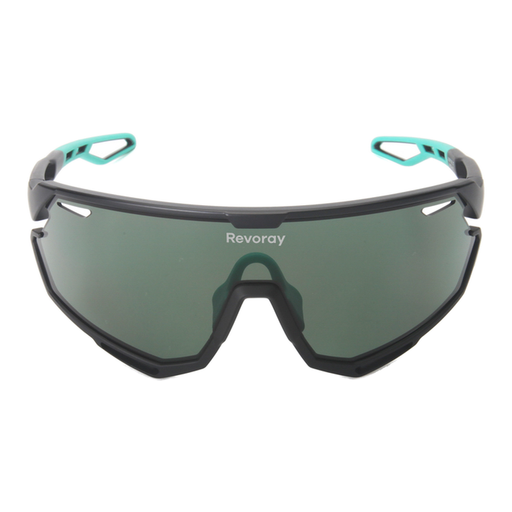
Why it suits this profile: This model is designed for cycling, mountain biking and other active outdoor pursuits where a secure fit and a wide field of vision are important.
The product information lists an integrated PC lens, UV400, a rubber nose support and non-slip arms. This makes the model’s intended use clearer than that of general lifestyle sunglasses.
Around 30 grams, an aerodynamic design, a one-piece PC lens and a TR90 frame.
We’ve put together a complete, up-to-date list of products that meet these strict selection criteria and the applicable European safety regulations.
Foldable sunglasses will usually stay in good condition for longer if you look after them properly:
Look out for scratches, loose hinges and a misshapen frame. These can affect viewing comfort. Sunglasses are not a substitute for prescription glasses or protective eyewear.
They can be, as long as the lenses let enough light through and traffic lights, signs and other road users remain clearly visible. UV400 refers to UV protection; it doesn’t automatically mean the sunglasses are suitable for every driving situation. Also check that the lenses aren’t too dark and that the fit doesn’t restrict your vision.
Their lifespan depends on the hinges, the material, how you store them and how often you fold and unfold them. A TR90 frame can be lightweight and flexible, but take care around the folding points. Replace the sunglasses if the lenses are badly scratched or the frame no longer feels secure.
No. Polarisation is designed to filter certain reflected light waves, while an anti-reflective coating can reduce reflections on the lens surface. Some models have one of these features, while others combine both. So read the product specifications before buying sunglasses.
