
Vandaag of morgen in huis

Kwaliteit gegarandeerd

Welkomstaanbiedingen ontgrendelen: GRATIS bezorging | Tot 80% korting | Gratis 30 dagen JoyPlus-proefperiode
Download de app
A foldable shopping trolley can replace a heavy shopping bag, save space at home and make getting to the supermarket easier. However, many models look roomier or stronger on paper than they are in practice. Differences in wheel type, frame and bag construction become particularly apparent on stairs, uneven pavements and when carrying heavy bottles.
So don’t look only at the capacity in litres or a low price. The following three pitfalls are common:
The capacity determines how many groceries will fit inside; the maximum load capacity determines how much weight the trolley is rated to carry according to the product specifications. These two values are not the same.
For a small daily shop, a 30-litre model may be sufficient. According to the product information, the 5five Shopping Trolley has a capacity of 30 litres, weighs 1.33 kg and is foldable. This makes this type of lightweight shopping trolley practical for anyone mainly carrying bread, packaged goods and a few household items.
For larger shops, a high-capacity trolley makes more sense. A 60-litre model may be suitable for several shopping bags, but distribute heavy products across the base and avoid overloading one side. Also check that the bag is securely attached to the frame.
On flat shop floors and pavements, two larger wheels are often sufficient. If you regularly encounter kerbs, door thresholds or stairs, consider a shopping trolley with stair-climbing wheels. According to the product specifications, the six PU wheels on the Sekey 60L Shopping Trolley are designed for stairs and uneven surfaces.
That does not mean every staircase can be tackled effortlessly. Consider the width of the steps, the weight of the load and how you hold the trolley. Extra care is still needed on wet, slippery or damaged stairs. A trolley with four castor wheels is useful indoors, but it is not the same as a wheeled shopping trolley designed for stairs.
An aluminium frame generally offers a combination of low weight and strength. Also check:
A foldable shopping bag with wheels is useful for a flat or small storage area. Ergonomics also matter for everyday use: a handle that is too low can become uncomfortable during longer walks. Brands may make their own usage claims, so focus mainly on verifiable features such as adjustability, materials and dimensions.
A shopping trolley with a cool bag can be useful for chilled products, picnics or a short journey home. Check whether the cool compartment is properly insulated and how much room this leaves for your regular shopping. According to the product information, the Sekey trolley has an insulated cool compartment and a cup holder.
According to the product specifications, a 3-in-1 shopping trolley combines a shopping trolley, sack truck and removable shoulder bag. This can be useful if you sometimes want to carry the bag separately or move boxes. More functions do mean more components, however. Check that the attachment hooks are easy to reach and that switching between functions is straightforward enough for your needs.
For camping, days at the beach or gardening, a foldable camping cart is often roomier than a standard shopping trolley. When choosing one, consider the difference between the maximum load on flat ground and comfortable manoeuvrability. A high load rating is not a reason to fill the cart to its maximum capacity on uneven ground.
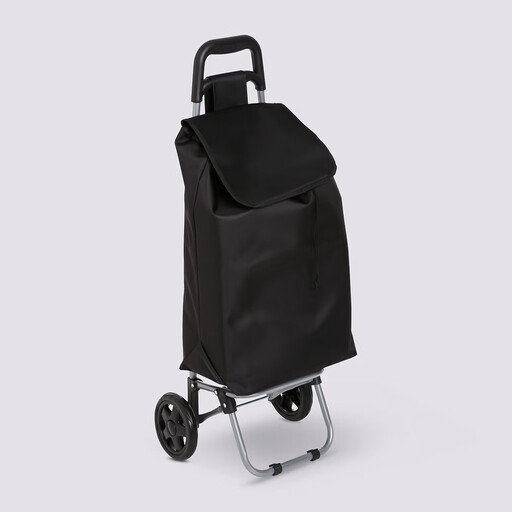
Why it suits this profile: The 30-litre capacity and 1.33 kg weight make it suitable for small shops and users who want to store a compact trolley.
The capacity and product weight are clearly stated, so you don’t have to choose this model based solely on a general capacity claim.
30-litre capacity, foldable design and two wheels for transport on flat surfaces.

Why it suits this profile: The combination of an aluminium frame, Oxford bag, adjustable handle, six PU wheels and 60-litre capacity is suited to more intensive everyday use.
The product information states both a capacity of 60 kg and dimensions of 36 × 42 × 98 cm. This allows you to assess the load and storage space in advance.
3-in-1 design, insulated cool compartment, adjustable handle and stair-climbing wheels according to the product specifications.
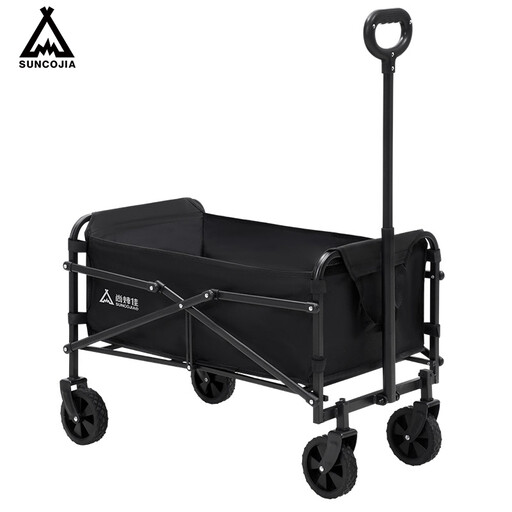
Why it suits this profile: According to the product information, this model is designed for camping, beach trips, sports equipment and large or bulky loads.
The stated capacity of 170 litres and maximum load of 100 kg clearly show the difference between space and carrying capacity. Use the cart on stable ground.
Foldable frame, 170-litre load space and castor wheels according to the product description.
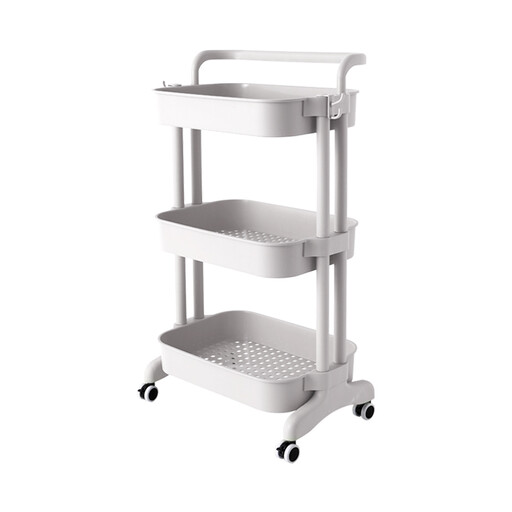
Why it suits this profile: The three tiers and castor wheels make this mobile storage trolley suitable for the kitchen, bathroom, office or hobby room.
The dimensions of 48 × 31 × 85.5 cm and the PP material are clearly stated in advance. This is therefore not a hidden alternative to a shopping trolley, but a storage cart for indoor use.
Three storage levels, wheels and a design suitable for several rooms in the home.
We’ve put together a complete, up-to-date list of products that fully meet these strict selection criteria and the applicable European safety regulations.
Before setting off, check that the bag is securely attached to the frame and that all folding mechanisms are locked. Place heavy shopping low down in the bag. Do not exceed the stated maximum load and never use a trolley as a seat or step.
Clean the fabric, frame and wheels according to the product instructions. Allow a wet bag to dry completely before folding and storing the trolley. With a model that has a cool compartment, it is advisable to pack leaking items separately.
A statutory guarantee applies in the European Union under consumer sales rules. The precise additional guarantee terms vary by product and seller, so check the information on the product page.
This depends on the wheel type, the staircase and the load. According to the product specifications, a model with stair-climbing wheels may be designed for stairs and uneven surfaces. Hold the trolley firmly, tackle obstacles carefully and check the width of the steps beforehand.
For small shops, around 30 litres is often practical. If you carry several shopping bags, drinks cartons or pantry staples, consider 60 litres or more. Always compare the capacity with the maximum load in kilos.
Its lifespan depends on the load, surface, maintenance and the quality of the fixings and wheels. Avoiding the maximum load, storing the trolley in a dry place and checking the wheels regularly will help prevent unnecessary wear.
