
Livraison le jour même et le lendemain

Qualité garantie

Débloquez vos offres de bienvenue: Livraison GRATUITE | Jusqu'à -80 % | 30 jours d'essai gratuits à JoyPlus
Téléchargez l'application
A foldable electric wheelchair can make a world of difference, offering more freedom, independence, and the ability to get out and about again. But the search for the right model is often frustrating. The market is filled with promises that fall short in practice. Many users find themselves with models that become unusable after just a few months due to impractical design flaws. Before you buy an electric wheelchair, it's crucial to recognise the common pitfalls.
The most common complaints revolve around three specific issues:
lightweight electric wheelchair of 25-30 kg might sound manageable, but for many people, it's still too heavy to lift into a car independently. The weight without the battery is often the crucial factor, yet it isn't always clearly stated.To avoid a bad purchase, it's essential to look beyond the marketing buzzwords. Focus on the objective specifications that determine if a foldable electric wheelchair truly fits your lifestyle.
The range is directly linked to the battery capacity, expressed in Ampere-hours (Ah). A higher Ah value generally means a longer and more reliable range. For regular outdoor use, a battery of at least 12Ah is recommended.
The motor power, expressed in Watts (W), determines its strength. Most models feature dual motors. A total power of 500W (2x 250W) is a solid benchmark for an electric wheelchair for adults that needs to handle curbs, grass, and slight inclines effortlessly. Also, check the maximum incline angle the wheelchair can manage; a value around 12 degrees is standard and safe for most situations.
Pay close attention to the distinction between total weight and lifting weight.
electric travel wheelchair, the lowest possible lifting weight is crucial.Check the folded dimensions (length x width x height) and measure your car's trunk. Will it fit easily, or will it be a struggle every time? The seat dimensions (width and depth) determine comfort during extended use. A standard width of 42-45 cm is suitable for most adults.
Based on these objective criteria, we have selected a number of models that suit specific user profiles.
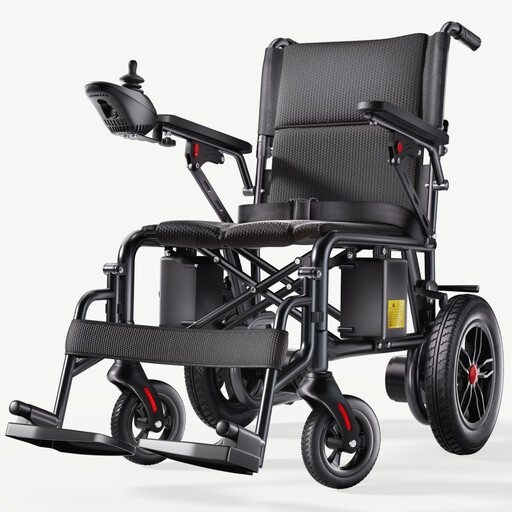
Why This Fits Their Persona: Ideal for those who are out and about daily and need a robust, reliable chair for errands and trips around the neighbourhood. The higher weight capacity provides extra stability.
The 25 km range is based on a solid 12Ah battery, offering a more realistic range for daily use than models with a smaller battery. The dual 250W motors provide ample power.
High weight capacity (150 kg) and powerful 500W dual motors for stable performance on varied terrain.
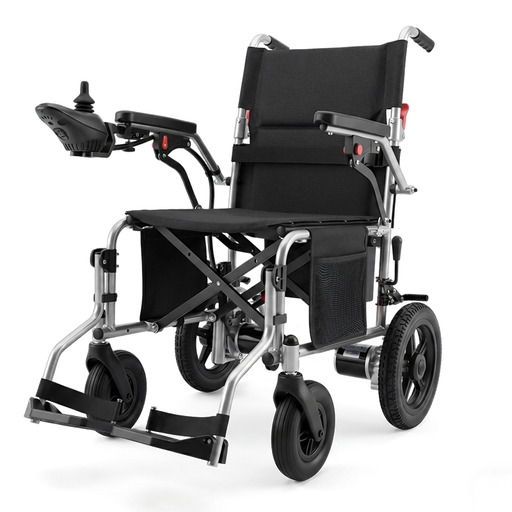
Why This Fits Their Persona: Perfect for those who frequently travel by car, visit family, or go on holiday. Its lower weight makes loading and unloading significantly easier.
This model directly addresses the 'impractical weight' pitfall. With a net weight of 23.45 kg, it's one of the lighter options in its class, making it a true `electric travel wheelchair`.
Lower net weight (23.45 kg) for easier lifting and transport. The 13Ah battery offers a good balance between weight and a range of approximately 24 km.
We've compiled a complete, up-to-date list of products that meet these strict selection criteria. Find the model that perfectly matches your needs.
A battery's lifespan is typically expressed in charge cycles and usually ranges from 2 to 5 years, depending on use and quality. The daily range depends on the capacity (Ah), terrain, user weight, and outside temperature. Lithium-ion batteries, used in most modern models, offer the best performance and a longer lifespan.
Yes, most models are designed as an outdoor electric wheelchair. When selecting, pay specific attention to the wheel size (larger rear wheels provide more comfort on uneven terrain), motor power (minimum 2x 250W), and the maximum incline angle. This ensures you can safely and comfortably navigate over curbs, lawns, and slight inclines.
This guide focuses on the private purchase of an electric wheelchair. For information about potential subsidies or insurance reimbursements, it is best to contact your local health authority or insurance provider. They can inform you about the specific conditions and procedures applicable in your region.
