
Vandaag of morgen in huis

Kwaliteit gegarandeerd

Welkomstaanbiedingen ontgrendelen: GRATIS bezorging | Tot 80% korting | Gratis 30 dagen JoyPlus-proefperiode
Download de app
A foldable electric bike seems like the perfect solution for anyone needing flexibility. It's compact enough for the train or the office and powerful enough for daily rides. But the market is flooded with models that overpromise and underdeliver. Many buyers discover after a few months that their purchase isn't as practical as they had hoped.
Before you make a decision, it's wise to understand the most common pitfalls. This will help you avoid a bad purchase and choose a foldable e-bike that truly fits your needs.
Pitfall 1: The Unrealistic Range Manufacturers often advertise a maximum range that is only achievable under perfect conditions: a lightweight rider, on a flat road, with no wind, and in the lowest assistance mode. In reality, with headwinds, hills (or city bridges), and a normal assistance level, the actual distance can be up to 40-50% lower.
Pitfall 2: A Clunky and Heavy Folding Mechanism A bike that is ‘foldable’ doesn't automatically mean it's easy to carry. Some models have a complex folding process that requires a lot of force. Others remain awkwardly large or heavy even when folded, making them impractical for public transport or carrying up a flight of stairs.
Pitfall 3: A Motor That Underperforms on Inclines Almost every foldable electric bike has a 250-watt motor, the legal limit. However, this says little about its performance. The torque, measured in Newton-metres (Nm), determines its pulling power. A motor with low torque will struggle to accelerate and climb a steep incline or bridge.
To sidestep these pitfalls, it's important to look beyond the marketing buzzwords. Pay attention to the following specifications to find a model that lives up to its promises.
Don't just look at the range in kilometres; look at the battery's capacity in Watt-hours (Wh). This number indicates the total amount of energy the battery can store. You calculate it by multiplying the voltage (V) by the amp-hours (Ah). For example, a 48V and 13Ah battery has a capacity of 624Wh. The higher the Wh number, the greater your realistic range will be.
The motor power (250W) is standard, but the torque (Nm) makes the difference. For city use with the occasional bridge, 30-40 Nm is often sufficient. If you want to smoothly tackle hills or accelerate quickly in traffic, look for a motor with 50 Nm or more. This is especially relevant for a heavier electric fat bike or if you often ride with luggage.
The type of tires has a major impact on the ride quality. Standard tires (1.75-2.25 inches) are efficient for smooth asphalt. Are you considering an electric bike with fat tires (a so-called 20-inch fat bike with 4.0-inch tires)? These offer significantly more comfort and cushioning on cobblestones, tram tracks, and unpaved paths. They give you the freedom to go off the beaten path, which is ideal for a foldable electric mountain bike. The downside is often a slightly higher weight and more rolling resistance.
Not everyone needs the same bike. Below are some popular choices, matched to a specific user profile.
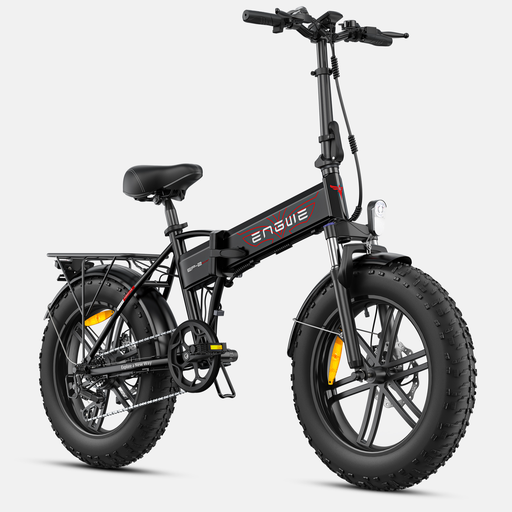
Why This Fits Their Persona: Ideal for those who want more than just pavement. The 4.0-inch fat tires provide grip and comfort on forest trails, sandy paths, and cobblestones. A suitable choice for recreational rides outside the city.
It tackles the pitfall of unrealistic range with a large 48V 13Ah battery (624Wh). This ensures a substantial range, even on rougher terrain. The powerful motor prevents disappointment on inclines.
All-terrain capability thanks to the 20 x 4.0-inch fat tires. The removable battery is practical for charging.
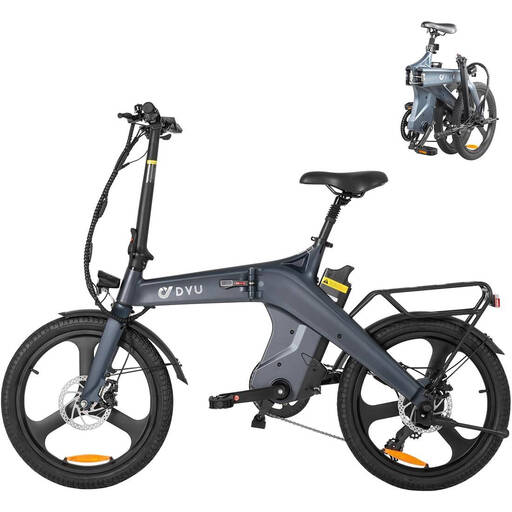
Why This Fits Their Persona: Designed for the daily commuter who combines the bike with train or car travel. Its slim frame and folding mechanism are focused on compactness and ease of use in an urban environment.
Avoids the pitfall of a clunky folding mechanism. The design is specifically focused on a smooth and quick folding process, turning the bike into a manageable package for storage at the office or in an apartment.
The lightweight and slim design makes this `folding bike for adults` easy to handle and store in tight spaces.
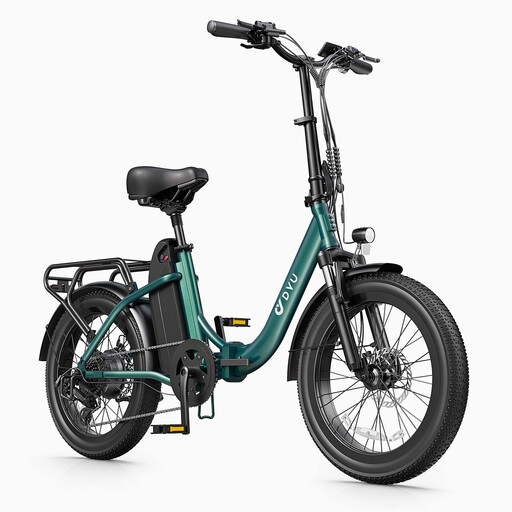
Why This Fits Their Persona: For those seeking one bike for everything: the ride to work, grocery shopping, and a relaxing weekend tour. This bike combines the comfort of thicker tires with the practicality of a city bike.
This bike addresses the pitfall of an underpowered motor. The combination of a 250W motor and a large 48V 15.6Ah battery delivers sufficient pulling power for city inclines and a reliable range for longer rides.
A great balance between comfort and performance. The thicker tires absorb bumps, while the large battery (748.8Wh) provides peace of mind on longer trips.
We have compiled a complete, up-to-date list of products that meet these selection criteria and current regulations.
The lifespan of a lithium-ion battery is usually measured in charge cycles. Most batteries are designed for 500 to 1,000 full charge cycles. With normal use, this translates to a lifespan of three to five years. Proper maintenance, such as avoiding complete discharge and storing at room temperature, can extend its life.
Yes, an electric fat bike is generally heavier than a model with standard tires. The extra weight comes from the wider rims, more robust tires, and often a sturdier frame. This is a trade-off: you sacrifice some portability but gain significant comfort, stability, and all-terrain capabilities in return.
Yes, in many regions, a folded bike is considered carry-on luggage. For example, in the Netherlands, the national railway (NS) allows a compactly folded bike on board without a separate bicycle ticket. However, it is always wise to check the latest terms and conditions of your local public transport provider, especially regarding travel during peak hours.
